Pakistan Just Signed the Paperwork on Its Newest Nuclear Reactor — Here's What C-5 Actually Means
Vienna signing formalizes IAEA safeguards for Chashma Unit-5, a 1,200MW reactor expected online by 2030, with China witnessing the milestone.
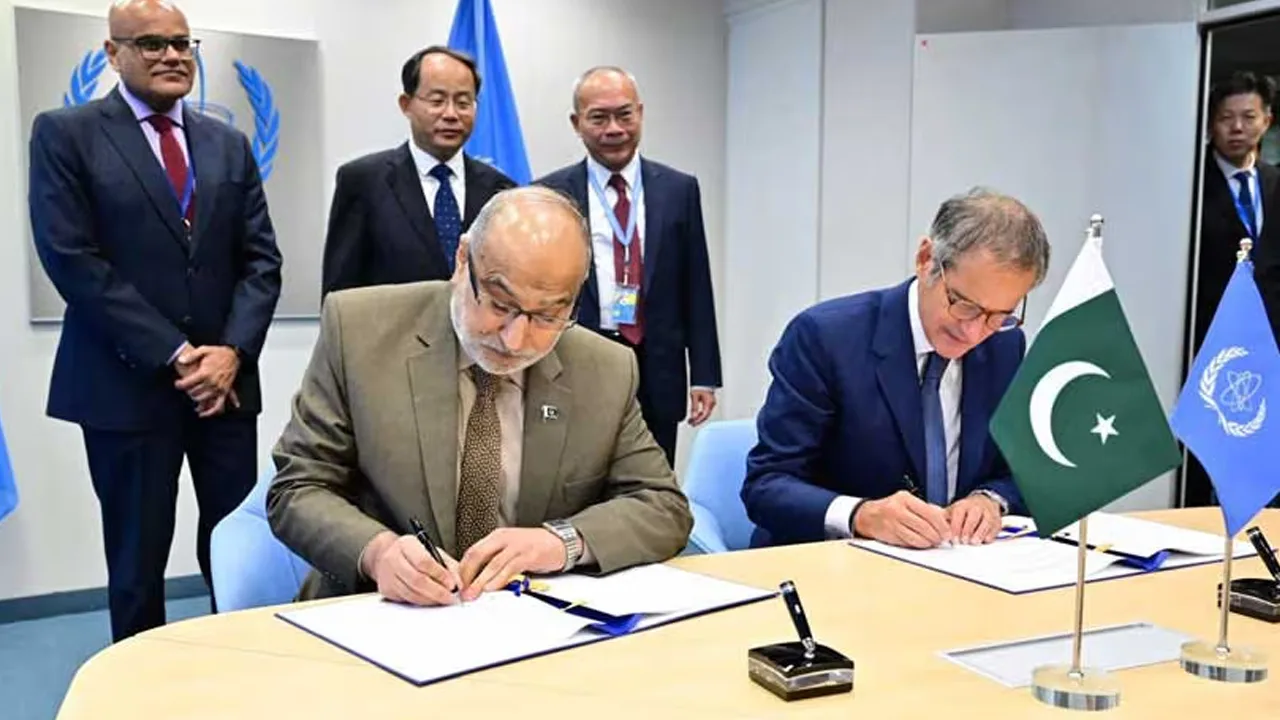
Pakistan and the IAEA formally sign a safeguards agreement in Vienna for the 1,200MW Chashma Unit-5 nuclear reactor, targeted for completion by 2030
Pakistan and the IAEA have formally signed the safeguards agreement for Unit 5 of the Chashma Nuclear Power Plant (C-5) in Vienna, with PAEC Chairman Dr. Raja Ali Raza Anwar and IAEA Director General Rafael Mariano Grossi putting pen to paper on the sidelines of the 70th IAEA General Conference — witnessed by China Atomic Energy Authority Chairman Shan Zhongde.
What C-5 Actually Delivers
The new unit carries a gross capacity of 1,200 megawatts and is expected to become operational by 2030, adding a substantial source of low-carbon electricity to Pakistan's national grid while supporting energy security and climate goals.
Why This Signing Matters Beyond the Ceremony
This formal signing follows the IAEA Board of Governors' unanimous approval of the agreement back in March 2026 — described at the time as reflecting the international community's continued confidence in Pakistan's commitment to peaceful nuclear energy use and its adherence to non-proliferation obligations.
A Track Record Behind the Trust
Pakistan currently operates six nuclear power plants with a combined capacity of 3,620 MW(e), maintaining an average capacity factor above 90% and more than 100 reactor-years of safe operating experience.
China's Visible Presence in the Room
The presence of China's Atomic Energy Authority chairman alongside Pakistani and Chinese permanent representatives at the signing underscored the strong Pakistan-China partnership in peaceful nuclear cooperation that underpins projects like Chashma.
The Bottom Line
From board approval in March to ink on paper in Vienna, C-5 has moved from a proposal to a formally safeguarded project — one more step toward a reactor that, once running in 2030, is expected to meaningfully add to Pakistan's low-carbon power supply.
Related stories
 Energy
Rs3,600 Billion Mystery: How Pakistan Plans to Wipe Out Its Biggest Gas Debt in Just 3 Years
· 2 min read Energy
Pakistan's mineral wealth offers major opportunities for investment: Jam
 Energy