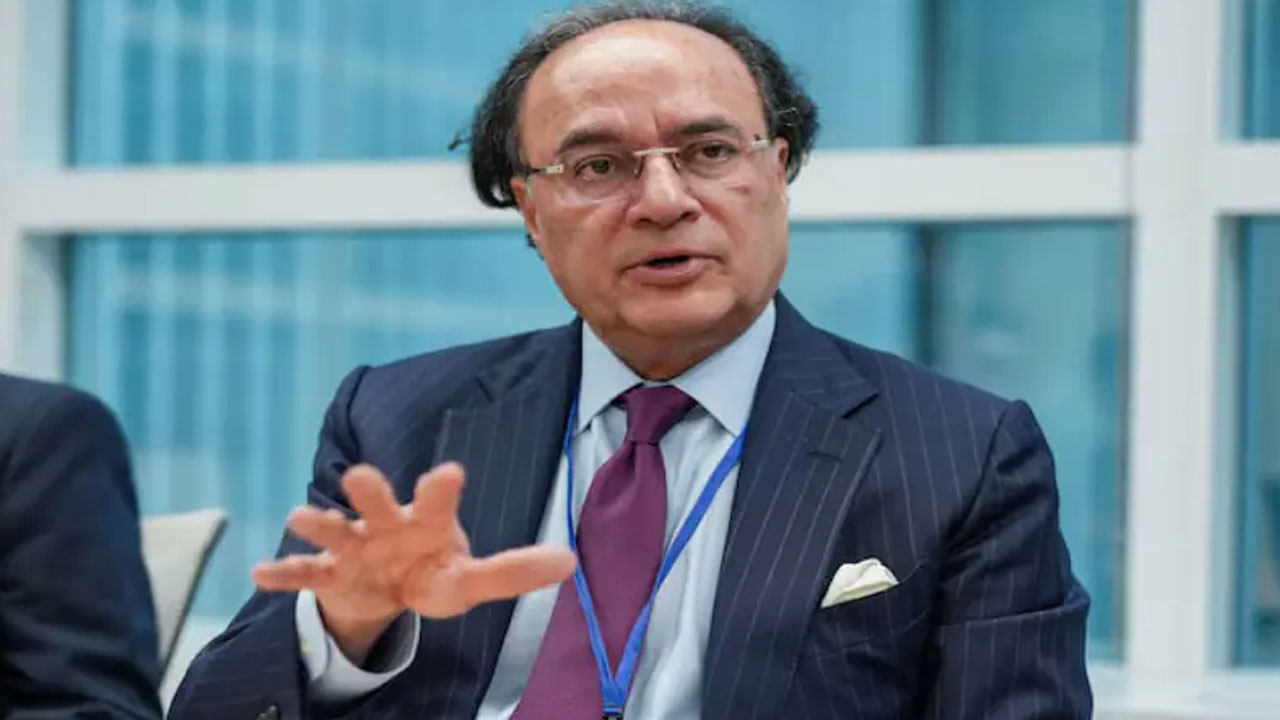
Pakistan is exploring multiple financing options, including Eurobonds, loans from friendly countries, and commercial borrowing, to replace a $3.5 billion facility from the United Arab Emirates (UAE) and support its foreign exchange reserves, Finance Minister Muhammad Aurangzeb said. Speaking to Reuters, he noted that the ongoing Middle East conflict has highlighted the need for Pakistan to develop a strategic petroleum reserve and accelerate its transition to renewable energy.
Aurangzeb confirmed that the country is set to repay the UAE loan this month, which may put pressure on reserves and IMF programme targets, though he expressed confidence that Pakistan can manage its debt obligations. He added that reserves currently cover around 2.8 months of imports, a level the government aims to maintain for macroeconomic stability.
The government is considering issuing Eurobonds this year, along with Islamic sukuk and dollar-settled rupee-linked bonds, while also exploring commercial loans. Although Pakistan has not yet requested changes to its $7 billion IMF programme, Aurangzeb said adjustments could be discussed depending on how the economic situation evolves. The IMF board is expected to approve the next tranche soon, unlocking nearly $1.3 billion under ongoing facilities.
Additionally, Pakistan plans to launch its first Panda bond—yuan-denominated debt—next month, starting with a $250 million issuance backed by international development banks. Despite global uncertainties, the country expects GDP growth of around 4%, supported by strong remittances and targeted social support. However, rising energy prices have reinforced the need for fuel reserves and a faster shift toward sustainable energy solutions.