Pakistan Signs Landmark MoU With Chinese Firm to Expand EV Charging Infrastructure Nationwide
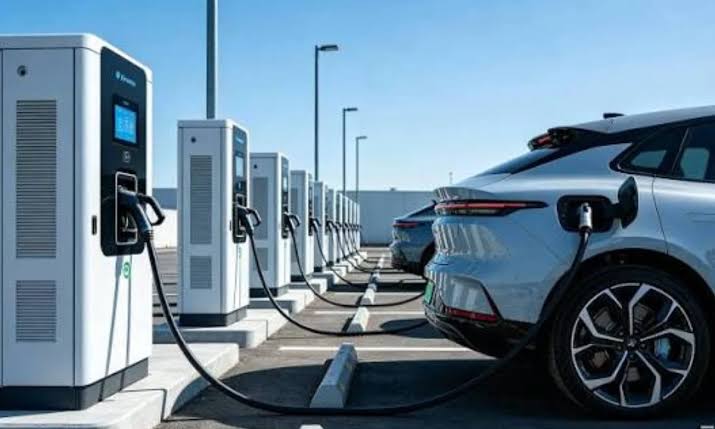
Pakistan has taken a significant step toward building out its electric vehicle ecosystem, with an agreement signed between StarCharge Energy Pakistan and China’s Bahum Global Ltd aimed at establishing EV charging stations across the country. The deal is being described as the first major agreement of its kind to strengthen Pakistan’s EV infrastructure through international collaboration.
A Partnership Built on Technology Transfer
Under the terms of the memorandum of understanding, Bahum Global Ltd will provide technological support to its local partner, Star Charge Energy, as the two companies work together to build out a nationwide network of EV charging stations. The arrangement combines Chinese technical expertise with local manufacturing and operational capacity, a structure that officials say will help ensure the resulting infrastructure is both technologically advanced and rooted in domestic industry.
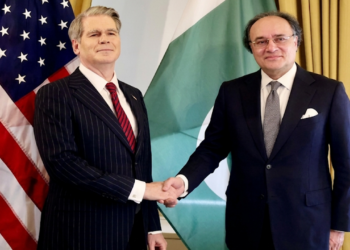
Speaking at the signing ceremony, Pakistan’s Special Assistant to the Prime Minister on Industries and Production reaffirmed the government’s commitment to transforming the country’s transportation sector through the promotion of electric mobility. The official highlighted the government’s upcoming Battery Energy Storage System Policy as a key piece of this broader strategy, one that officials say will help pave the way for what they’re calling an EV revolution in Pakistan.
Building Local Manufacturing Capacity
Beyond charging infrastructure alone, officials noted that the government is also actively promoting local manufacturing of lithium-ion batteries, a critical component not just for electric vehicles but for broader energy storage applications as well. The forthcoming battery storage policy is expected to play a central role here, designed specifically to attract foreign investment while helping build a sustainable industrial ecosystem around battery technology within Pakistan.
This dual focus, developing charging infrastructure while simultaneously building domestic battery manufacturing capability, reflects a broader strategy of not just importing EV technology but developing the underlying industrial base needed to sustain and grow the sector over the long term. If successful, this approach could position Pakistan to capture more value from the EV transition than it would by relying purely on imported components and finished vehicles.
Why Charging Infrastructure Matters So Much
The establishment of EV charging infrastructure across the country carries particular significance for supporting the wider adoption of electric vehicles. As with any electric vehicle market, the chicken-and-egg problem of infrastructure and adoption looms large; consumers are often hesitant to purchase EVs without confidence that charging stations will be conveniently available, while charging network operators are similarly hesitant to invest heavily without sufficient EV demand already in place to justify the infrastructure spend.
Agreements like this one, which bring in dedicated international technological support specifically aimed at rapidly expanding the charging network, can help break through that standoff by accelerating infrastructure development ahead of demand, rather than waiting for organic EV adoption to justify each new charging station on a case-by-case basis. Expanding the network in this way is expected to make electric mobility considerably more accessible and convenient for everyday consumers considering a switch away from conventional petrol or diesel vehicles.
Reducing Pakistan’s Costly Fuel Import Dependence
Officials emphasised that this transition carries benefits well beyond individual consumer convenience. A meaningful shift toward electric mobility is expected to reduce Pakistan’s dependence on imported petroleum products, thereby lowering the country’s overall import bill, a particularly significant benefit given how heavily Pakistan’s economy has been affected by fluctuating global oil prices over the past year, especially amid the ongoing Middle East conflict that has driven crude prices sharply higher in recent weeks.
Beyond the direct import-bill savings, officials also pointed to the environmental sustainability and energy security benefits tied to this transition. Reducing reliance on imported fuel doesn’t just ease pressure on foreign exchange reserves; it also insulates the country’s transportation sector from the kind of price shocks and supply disruptions that have repeatedly affected global oil markets in recent years, whether from geopolitical conflicts, shipping route disruptions, or broader market volatility.
Part of a Broader Push Toward Electrification
This latest MoU adds to a series of recent developments signalling growing momentum behind Pakistan’s electric vehicle transition. It follows earlier announcements about establishing EV charging stations across Karachi, and plans for fuel stations in the capital to include EV charging points by 2030. It also comes at a moment when Chinese electric vehicle manufacturers have been making significant inroads into Pakistan’s broader auto market, with companies like BYD already introducing new energy vehicles to Pakistani consumers.
Taken together, these developments suggest that Pakistan’s EV transition is advancing on multiple fronts simultaneously, vehicle imports and local assembly on one hand, and charging and battery infrastructure on the other, rather than any single initiative driving the shift in isolation.
A Realistic Path Forward, Not an Overnight Transformation
That said, building out a nationwide charging network and establishing domestic battery manufacturing capacity are both multi-year undertakings that will require sustained investment, regulatory support, and continued international partnership to fully materialise. The signing of this MoU represents an important early step rather than a finished infrastructure network, and the pace of Pakistan’s broader EV transition will likely depend on how quickly projects like this one move from agreement to actual, functioning charging stations on the ground.
Looking Ahead
With the Battery Energy Storage System Policy still forthcoming and this new partnership between StarCharge Energy Pakistan and Bahum Global Ltd just getting underway, the coming months should offer a clearer picture of how quickly Pakistan’s EV charging network actually expands. For a country looking to reduce its costly dependence on imported fuel while building new domestic industrial capacity around batteries and clean energy technology, this agreement represents a meaningful, if early, step toward that broader transformation.