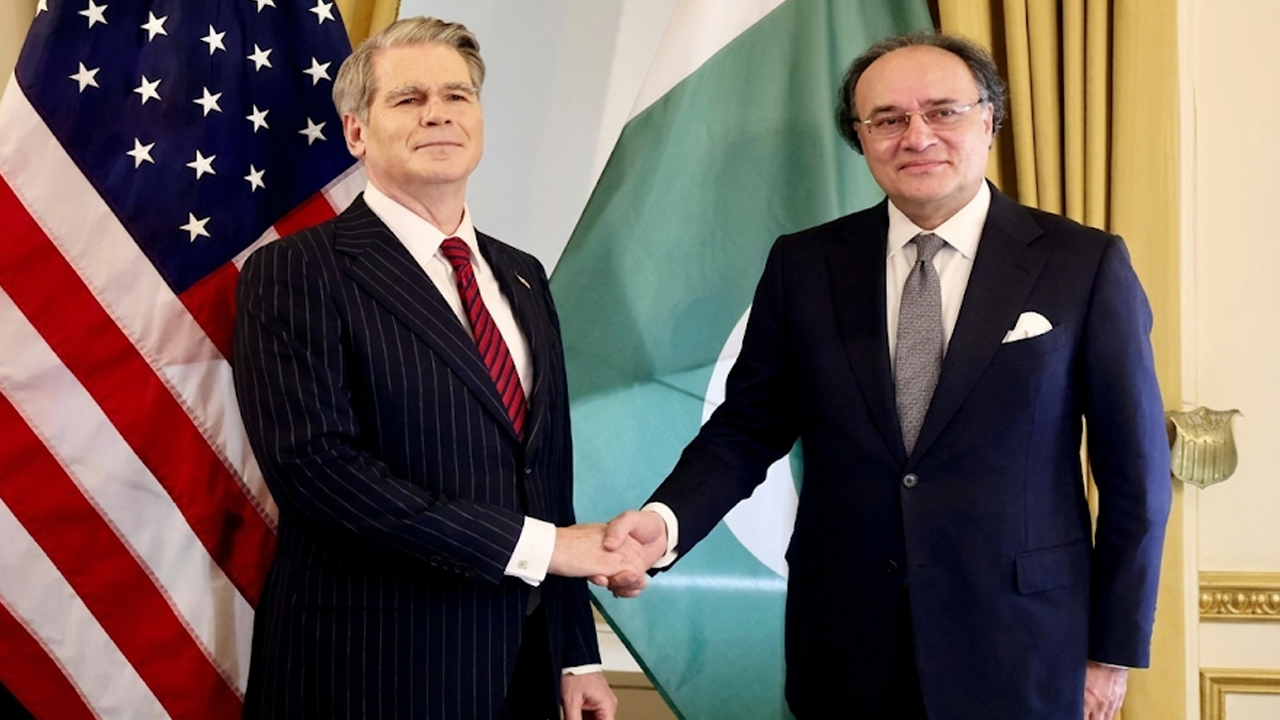
Pakistan is reportedly seeking a $10 billion backstop financial facility from the United States as part of broader efforts to strengthen its foreign exchange reserves, improve investor confidence, and enhance economic stability. The proposed arrangement, if finalized, could provide an additional financial safety net while supporting Pakistan’s ongoing economic reform agenda.
The reported request comes as Pakistan continues working to stabilize its economy following years of inflation, external financing challenges, and pressure on foreign currency reserves.
What Is a Backstop Facility?
A backstop facility is a financial arrangement designed to provide emergency liquidity or financial support if needed. Unlike a conventional loan that is immediately utilized, a backstop facility generally serves as a reserve source of funding that can be accessed during periods of financial stress.
Such facilities are often viewed positively by investors because they demonstrate that a country has access to additional financial resources in case of unexpected economic shocks.
For Pakistan, securing such a facility could strengthen confidence in the country’s financial system while reducing concerns about external payment obligations.
Why Pakistan Needs Stronger Foreign Exchange Reserves
Foreign exchange reserves are essential for maintaining economic stability. They enable a country to:
Pay for imports such as oil, machinery, and food.
Service external debt obligations.
Support the value of the national currency.
Improve investor confidence.
Manage periods of global financial uncertainty.
Pakistan’s reserves have faced pressure over recent years due to rising import bills, debt repayments, and global economic volatility.
Improving reserve levels remains one of the government’s key economic priorities.
Economic Reform Efforts Continue
The reported proposal aligns with Pakistan’s broader efforts to strengthen its economy through fiscal reforms, revenue collection improvements, and financial discipline.
Authorities have also focused on:
Expanding exports.
Attracting foreign direct investment (FDI).
Increasing remittances.
Improving tax collection.
Encouraging private-sector growth.
Strengthening public finances.
Economic experts believe diversified financing sources can reduce vulnerability to future external shocks.
Potential Benefits of the Facility
If approved, the proposed $10 billion backstop facility could provide several economic advantages.
These may include:
Stronger foreign exchange reserves.
Improved investor confidence.
Greater financial stability.
Enhanced international credit perception.
Better protection against external economic risks.
Increased confidence among international financial markets.
Although the facility may not be immediately drawn upon, its availability alone could reassure investors and financial institutions.
Impact on the Pakistani Rupee
A stronger reserve position often supports currency stability.
While exchange rates are influenced by many factors—including inflation, trade performance, and global markets—larger reserves generally improve a country’s ability to manage short-term external pressures.
Economists note that sustained stability will ultimately depend on continued economic reforms rather than financing alone.
Challenges Still Remain
Despite efforts to improve the country’s financial position, Pakistan continues to face several economic challenges, including:
Inflationary pressures.
High external debt servicing.
Rising energy costs.
Fiscal deficits.
Trade imbalances.
Global economic uncertainty.
Experts emphasize that financial support should complement long-term structural reforms rather than replace them.
Investor Confidence Remains Important
International investors closely monitor Pakistan’s reserve levels, fiscal policies, and reform progress before making investment decisions.
A credible financial safety mechanism could help reassure both domestic and international investors while encouraging greater private-sector participation in the economy.
Improved confidence may also contribute to increased foreign investment over the longer term.
Government Yet to Confirm Final Outcome
While reports indicate Pakistan is seeking the facility, no final agreement has been officially announced.
Any potential arrangement would likely involve further discussions between the relevant authorities and financial stakeholders before terms are finalized.
Officials are expected to provide additional details if negotiations progress.
Conclusion
Pakistan’s reported effort to secure a $10 billion US backstop facility reflects its continued focus on strengthening foreign exchange reserves and improving economic resilience. While such a financial arrangement could enhance investor confidence and provide an additional layer of protection against future economic shocks, long-term stability will continue to depend on sustained reforms, stronger exports, fiscal discipline, and consistent economic growth. If successfully negotiated, the facility could become an important component of Pakistan’s broader strategy to build a more stable and resilient economy.