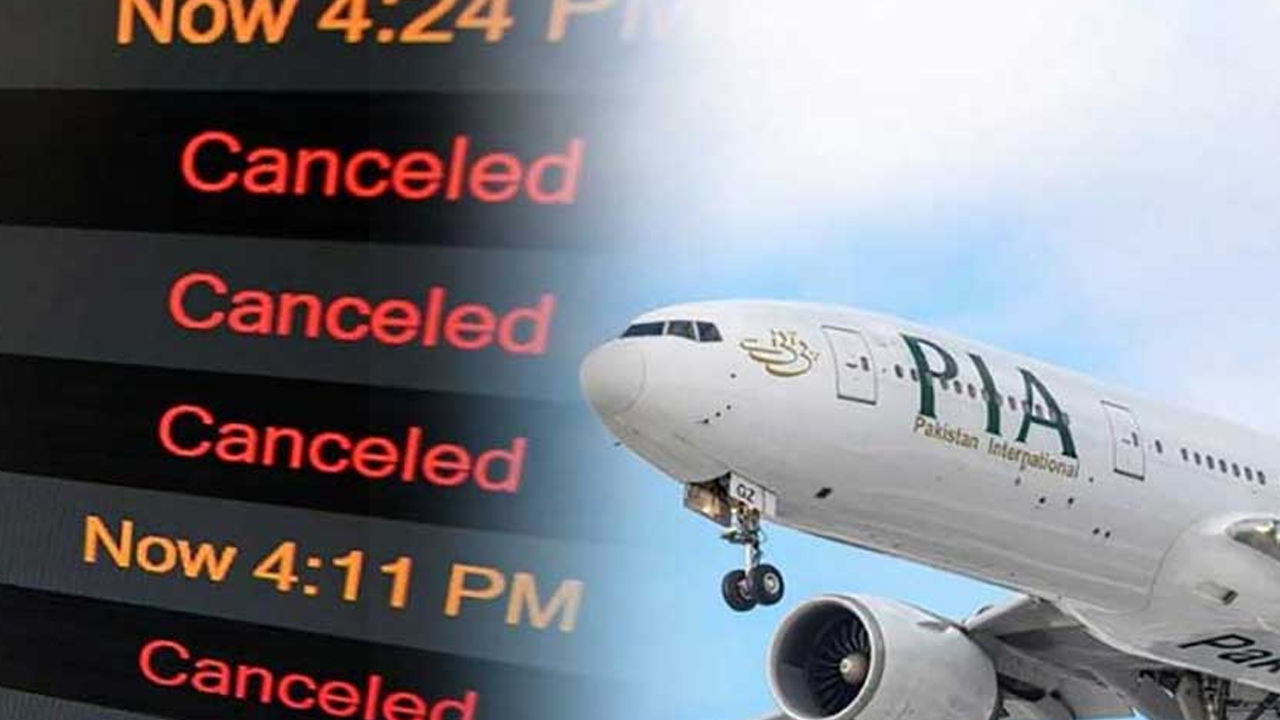
Air travel has faced significant disruption as 45 flights were cancelled and 125 others delayed due to adverse weather conditions and ongoing tensions in the Middle East. The disruptions have affected both domestic and international passengers, with airlines adjusting schedules to prioritize passenger safety and operational efficiency.
Airport authorities and airlines have advised travelers to check their flight status before leaving for the airport, as weather conditions and regional airspace restrictions continue to impact flight operations.
Bad Weather Disrupts Flight Operations
Officials said unfavorable weather conditions, including poor visibility, strong winds, and unstable atmospheric conditions, were among the primary reasons behind the cancellations and delays.
Such weather makes takeoffs and landings more challenging, forcing airlines to delay departures until conditions improve. In some cases, flights were cancelled altogether to avoid further operational complications.
Airport management teams continued to monitor weather forecasts throughout the day while coordinating with airlines and air traffic control.
Middle East Tensions Add to Operational Challenges
In addition to bad weather, ongoing geopolitical tensions in parts of the Middle East have affected regional flight routes.
Many airlines have been forced to modify flight paths or avoid certain airspaces as a precautionary measure. These alternative routes often increase flight times and operational costs while creating scheduling challenges for carriers operating international services.
Aviation experts note that airlines regularly adjust routes whenever security risks arise to ensure the safety of passengers and crew members.
Hundreds of Passengers Affected
The combined impact of cancellations and delays has disrupted travel plans for thousands of passengers.
Many travelers experienced:
Long waiting times at airports
Missed connecting flights
Delayed business trips
Postponed family travel plans
Changes to international itineraries
Airlines have been working to accommodate affected passengers by offering alternative flights where available.
Airlines Issue Travel Advisories
Several airlines urged passengers to verify their flight schedules before arriving at the airport.
Travelers were encouraged to:
Check flight status online.
Monitor airline mobile applications.
Keep contact information updated for notifications.
Arrive early for flights that remain on schedule.
Contact customer support if rebooking becomes necessary.
Officials emphasized that flight schedules may continue changing depending on weather developments and operational requirements.
Aviation Safety Remains the Top Priority
Industry experts stressed that weather-related delays and route adjustments are standard safety measures within the aviation sector.
Commercial airlines operate under strict international safety regulations that prioritize passenger safety over maintaining published schedules.
Pilots, air traffic controllers, and airline operations centers continuously evaluate weather conditions and security updates before approving departures.
Economic Impact on Airlines
Large-scale disruptions also create financial pressure for airlines.
Flight delays and cancellations often lead to:
Higher operational costs
Additional fuel expenses
Crew scheduling challenges
Aircraft repositioning
Passenger compensation and rebooking costs
Despite these challenges, airlines generally consider such decisions necessary to maintain safe operations.
What Passengers Should Do
Travel experts recommend that passengers remain flexible during periods of operational disruption.
Useful precautions include:
Confirm flight status before traveling.
Allow additional time for airport procedures.
Keep travel documents easily accessible.
Purchase travel insurance for international journeys where possible.
Stay informed through official airline communication channels.
Being prepared can reduce inconvenience when unexpected delays occur.
Situation Continues to Be Monitored
Airport authorities, airlines, and aviation regulators continue monitoring both weather forecasts and developments in the Middle East.
Additional delays or schedule adjustments remain possible if conditions fail to improve or if regional security concerns persist.
Passengers are advised to rely on official airline announcements rather than unofficial reports circulating on social media.
Conclusion
The cancellation of 45 flights and delay of 125 others highlights how both severe weather and geopolitical tensions can significantly affect global aviation. While the disruptions have caused inconvenience for thousands of travelers, aviation authorities maintain that passenger safety remains the highest priority. Travelers are encouraged to stay updated through their airlines and remain flexible as flight schedules continue to adjust in response to changing conditions.