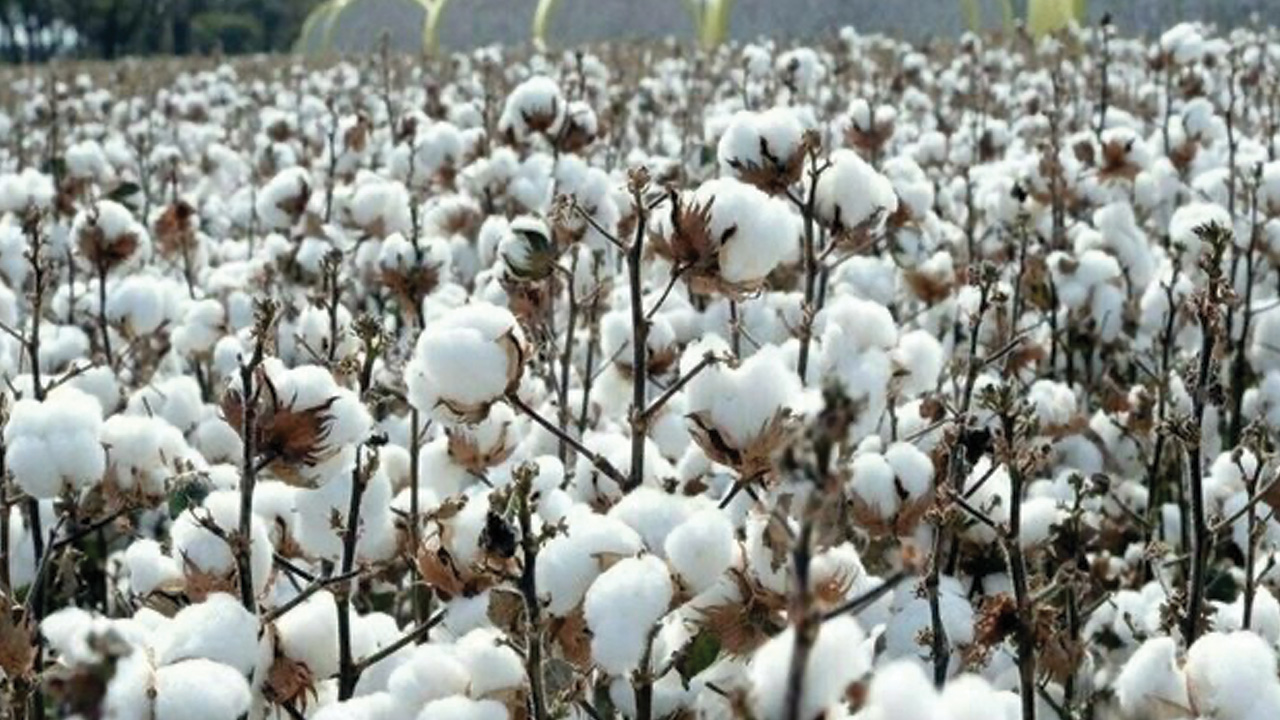
KARACHI — Pakistan’s cotton sector has kicked off the 2026–27 marketing season with an aggressive 77.3% surge in crop arrivals. However, this agricultural boom stands in stark contrast to deepening financial distress within the domestic textile industry, where soaring operating costs continue to trigger widespread factory closures.
According to the latest report from the Pakistan Cotton Ginners Association (PCGA), total cotton arrivals at ginning factories reached 527,900 bales, a massive leap from the 297,751 bales recorded during the corresponding period last year.
Regional Production Breakdown
The production surge was visible across both major agricultural provinces, though performance varied heavily by region:
Sindh Takes the Lead: Sindh posted a phenomenal 113.8% increase, with arrivals climbing to 326,403 bales compared to 152,650 bales last year. The Sanghar district remained the clear frontrunner, contributing a staggering 280,393 bales to the national tally.
Punjab Shows Steady Growth: Punjab recorded arrivals of 201,497 bales against 145,101 bales last year—a 38.8% upward bump. Vehari led Punjab’s regional output with 41,367 bales, followed closely by Dera Ghazi Khan and Khanewal.
A Tale of Two Realities: Squeezed Supplies and Rising Prices
Despite the stellar production figures on paper, the local cotton market is experiencing an unusual price squeeze. Market sources report that a temporary slowdown in the daily supply of seed cotton (phutti) to ginning units has pushed spot rates up by Rs 500 to Rs 800 per maund.
In Sindh, cotton traded between Rs 17,700 and Rs 17,800 per maund.
In Punjab, premium quality cotton fetched between Rs 18,200 and Rs 18,400 per maund.
Growers and analysts have voiced serious concerns regarding crop health in Sindh, where erratic rainfall and canal water shortages threaten to downgrade the quality and overall output of later pickings.
Textile Sector Woes Counter Progress
The Pakistan Business Forum (PBF) welcomed the production surge as a vital cushion for domestic raw material availability. However, textile manufacturers warn that abundant cotton cannot save an industry buckling under structural economic pressures.
The Operational Crisis: Industry experts point out that skyrocketing energy tariffs, heavy taxation, and high financing costs have crippled local competitiveness. Power looms, sizing units, and major spinning mills are shutting down nationwide, driving up sector unemployment.
Furthermore, a deluge of cheaper, imported yarn and cloth is undermining local manufacturers. With textile exports remaining largely stagnant at $17.93 billion, the Pakistan Textile Council has urged the government to intervene immediately with power tariff relief and tax reforms before the industrial slowdown permanently damages the country’s primary export engine.