Foreign Capital Integration and Resource Extraction
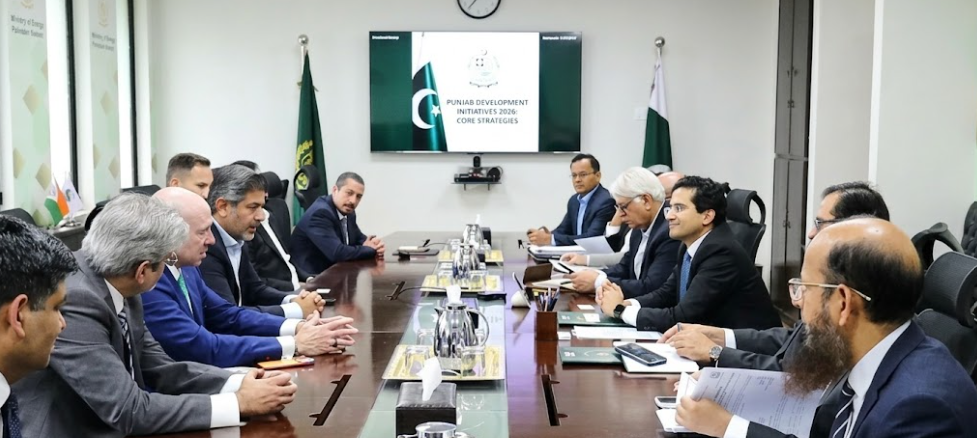
In a deeply calculated strategic maneuver to permanently upgrade national resource infrastructure, central petroleum administrators have executed high-level bilateral negotiations with leading international energy syndicates.
Federal executive leadership actively engaged specialized United States-based corporate entities, explicitly targeting massive capital deployment across highly critical localized mineral sectors.
The primary operational dialogue heavily focused on systematically unlocking the massive extraction potential housed within the southwestern administrative zones, an area globally recognized for its deep concentration of rare earth and industrial minerals.
By actively partnering with top-tier international financial and energy conglomerates, central planners aim to forcefully engineer complex joint ventures specifically designed to rapidly accelerate structural development.
Beyond primary mineral extraction, these strategic engagements heavily prioritize the aggressive optimization of existing, operational hydrocarbon fields.
This highly targeted structural intervention strictly ensures that established domestic assets continuously operate at absolute peak production capacity, drastically reducing external dependencies.
Supply Chain Logistics and Structural Storage
Simultaneously, the central administrative matrix is heavily focusing on completely revolutionizing the overarching national energy logistics framework.
During parallel strategic negotiations with major international trading syndicates, federal executives successfully validated recent operational milestones, specifically highlighting newly activated maritime bunkering protocols at critical deep-water ports.
These top-tier corporate operators formally proposed advanced industrial conversions designed to structurally refine heavy hydrocarbon outputs into highly optimized, low-emission operational fuels.
Furthermore, central authorities are relentlessly pushing the rapid integration of newly formulated bonded storage policies into the overarching logistical matrix.
This deeply strategic regulatory framework actively incentivizes major global entities to rapidly deploy massive capital into expanding critical localized storage capacities.
By forcefully securing this advanced structural infrastructure, the national administration permanently shields the domestic economy from severe global supply chain friction and international market volatility.
Macroeconomic Stability and Operational Growth
The aggressive pursuit of these specialized foreign partnerships is absolutely fundamental to the long-term structural viability of the localized macroeconomic baseline.
By systematically opening highly critical extraction sectors to top-tier international operators, central authorities aim to trigger massive, sustained economic velocity.
Executive leadership consistently reaffirms a highly rigid administrative commitment to continuously facilitating deeply responsible, structured international investment environments.
This strategic alignment ensures that heavily capitalized foreign entities actively transfer ultra-advanced extraction technologies and operational expertise directly into the domestic industrial base.
The flawless execution of these overarching structural agreements permanently positions the localized economy to fiercely compete within rapidly shifting global mineral supply chains.
Central planners demand unyielding operational continuity across all related governmental sectors to permanently lock in these critical economic partnerships.