Structural Transition and Accelerated Pricing Matrix
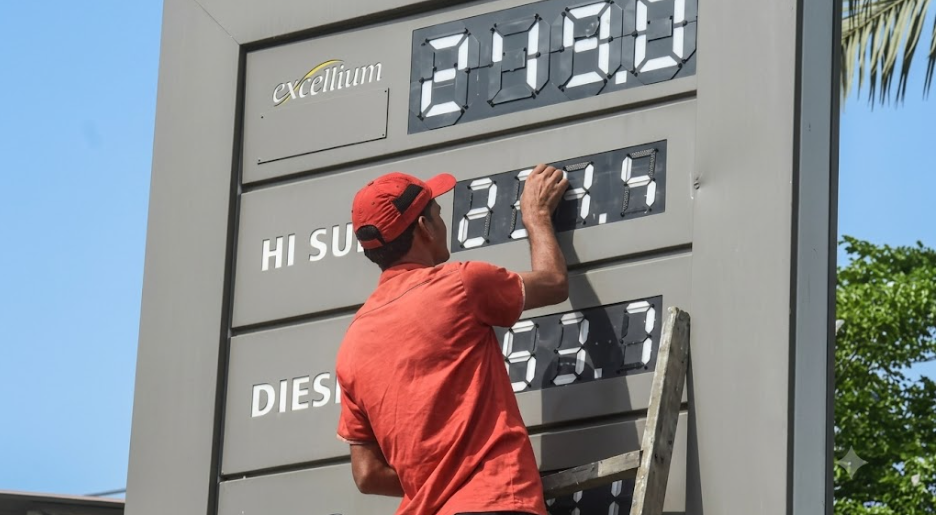
In a highly aggressive pivot to strictly align domestic energy economics with volatile international markets, central fiscal planners have authorized consecutive upward revisions to primary hydrocarbon prices.
This sustained escalation marks the third consecutive operational cycle of severe cost increases, fundamentally driven by the recent deployment of a deeply accelerated daily price adjustment protocol.
Previously anchored to a rigid periodic framework, the national energy sector is now aggressively subjected to real-time structural evaluations, forcing rapid financial absorption onto the localized commercial baseline.
Federal energy administrators explicitly engineered this high-stakes regulatory shift to completely eliminate fiscal lag, ensuring that massive fluctuations in global crude procurement are instantaneously transferred to the consumer matrix.
However, this relentless pricing cadence has immediately generated extreme financial unpredictability across all primary industrial sectors.
By structurally removing the protective buffer of extended pricing windows, central authorities have definitively locked the overarching economy into a deeply volatile, highly reactive energy framework.
Supply Chain Logistics and Operational Friction
The rapid implementation of this aggressive pricing architecture has immediately triggered severe logistical disruptions across the national energy supply chain.
Primary petroleum distribution networks and major retail operators have forcefully warned of an impending structural collapse in localized fuel availability.
Central distribution syndicates argue that daily financial revisions create massive operational deficits, particularly impacting highly complex, multi-day transit routes originating from primary coastal refineries.
Consequently, leading retail operators have aggressively threatened to execute widespread, indefinite operational shutdowns unless central authorities formally intervene to restructure the severely compressed profit margins.
This impending industrial action explicitly jeopardizes the entire national logistical matrix, threatening to completely paralyze critical transit corridors and massively disrupt overarching commercial activity.
Top-tier energy executives are currently engaged in intense, high-stakes negotiations to strictly prevent a total collapse of the primary distribution infrastructure.
Macroeconomic Drivers and Global Volatility
At the absolute operational center of these consecutive price shocks is an extreme escalation in international energy markets.
Global crude procurement costs have surged massively following severe geopolitical friction and targeted military disruptions across critical international maritime chokepoints.
The resulting instability has deeply compromised the overarching security of global energy logistics, permanently elevating the baseline cost of essential petroleum imports.
For localized fiscal administrators, this externally generated volatility is heavily compounding existing macroeconomic vulnerabilities, driving severe inflationary pressure directly into the domestic commercial sector.
Central economic planners are desperately attempting to maintain structural stability while simultaneously absorbing these unyielding external shocks.
The aggressive adherence to the accelerated pricing mechanism underscores a highly rigid commitment to preventing sovereign fiscal deficits, even at the absolute risk of severely suppressing localized economic velocity.