Origin and Trajectory of the Debris
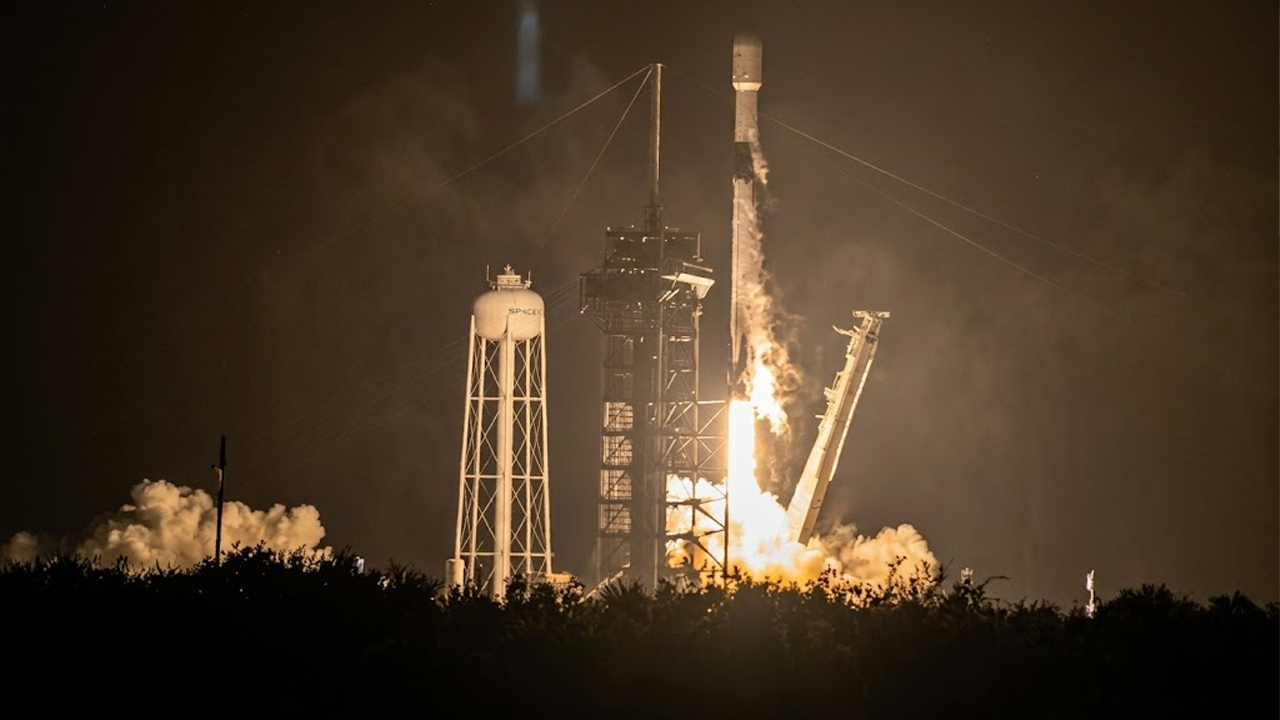
At the absolute operational center of this event is the rocket body’s extended drift following a deep-space mission in January 2025, during which it deployed robotic lunar landers. Left drifting in space without a controlled solar disposal maneuver, gravitational forces and solar pressure gradually altered its trajectory over more than 18 months, ultimately placing it on a direct collision course with the Moon’s near side.
Scientific Significance and Observation Plans
Rather than viewing the collision with alarm, astronomers and planetary scientists have treated the impact as a scripted full-scale experiment. Because the timing and trajectory were calculated precisely in advance, researchers anticipate that orbiting assets—including NASA’s Lunar Reconnaissance Orbiter and South Korea’s Danuri—will successfully capture imagery of the resulting dust plume and newly formed crater.
Broader Implications for Space Debris Management
The incident has reignited international discussions regarding the management of deep-space debris and the disposal of spent rocket hardware. Experts emphasize that while this unguided crash into remote lunar terrain poses no immediate danger, the exponential increase in lunar missions necessitates stricter end-of-life disposal protocols to safeguard future crewed settlements and surface operations.