Shaikh Zayed Hospital Lahore Performs Punjab’s First Robotic Knee Replacement in Public Sector
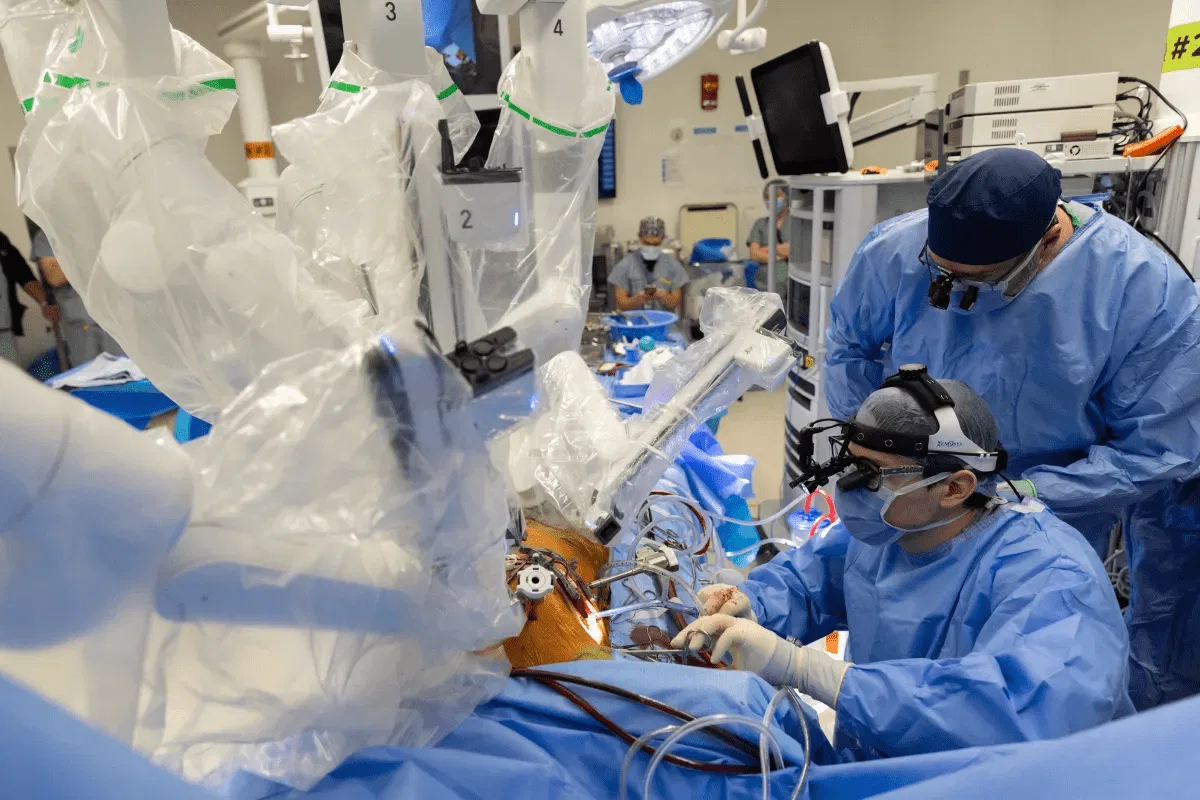
Shaikh Zayed Hospital in Lahore has made history as the first public sector hospital in Punjab to successfully perform a Robotic Total Knee Arthroplasty, marking a genuinely significant milestone in the integration of advanced medical technology into the province’s public healthcare system.
A Landmark Procedure
The robotic knee replacement surgery was led by Prof. Dr. Wasif Ali Shah, Professor and Head of the Department of Orthopaedic Surgery at the hospital, carried out in collaboration with RECH International. The procedure was achieved under the broader leadership of Shaikh Zayed Medical Complex Lahore’s Chairperson and Dean, Prof. Dr. Ayesha Humayun, along with Executive Director Dr. M. Hatif Iqbal.
Several departments across the hospital contributed to making the surgery a success, including the Department of Anaesthesia under Prof. Dr. Mehmood, the Department of Radiology led by Prof. Dr. Shaukat alongside Dr. Mubashir, the operating theatre staff, and the entire orthopaedic surgery team working in coordination throughout the procedure.
Why Robotic Knee Surgery Matters
Robotic Total Knee Arthroplasty represents a considerable advancement over traditional knee replacement techniques. Rather than relying purely on a surgeon’s manual precision, robotic-assisted systems provide highly detailed, real-time imaging and positioning guidance during the procedure, allowing for significantly more precise bone cuts and implant alignment than conventional methods typically achieve.
This added precision tends to translate into meaningful benefits for patients. Robotic-assisted knee replacements are generally associated with more accurate implant positioning, which can improve the longevity and functional performance of the artificial joint over time. Patients undergoing these procedures often experience less soft tissue damage during surgery, given the more controlled and precise nature of the robotic-assisted approach, which in many cases contributes to faster recovery times and improved post-operative mobility compared to traditional knee replacement techniques.
For a condition like severe knee arthritis or joint degeneration, where traditional knee replacements have long been the standard treatment, access to this kind of advanced robotic technology can make a meaningful difference in how well patients recover and how effectively their new joint functions in the years following surgery.
A Milestone for Public Healthcare Access
What makes this achievement particularly significant is where it took place. Robotic surgical technology of this kind has historically been available primarily, if not exclusively, within Pakistan’s private healthcare sector, where the high cost of acquiring and maintaining such equipment has generally placed it out of reach for public hospitals serving the broader population.
By successfully performing this procedure within a public sector facility, Shaikh Zayed Hospital has effectively opened the door for patients who rely on the public healthcare system, patients who might otherwise never have had access to this level of surgical technology, to benefit from the same advanced treatment options previously available mainly to those who could afford private care.
Institutional Commitment to Modernisation
Commenting on the achievement, Executive Director Dr. M. Hatif Iqbal said that introducing advanced medical technologies within the public healthcare sector remains one of the institution’s top priorities. That statement reflects a broader institutional push at Shaikh Zayed Hospital to keep pace with modern surgical advancements, rather than allowing public healthcare facilities to fall further behind their private sector counterparts in terms of available treatment options.
Part of a Broader Push to Modernise Punjab’s Healthcare System
This milestone arrives amid a broader wave of healthcare-focused initiatives currently underway in Punjab. It follows closely on the heels of the recently launched Punjab Health Connect Programme, which aims to bring international medical expertise directly into government hospitals across the province to address the persistent shortage of specialist doctors in the public system.
Taken together, these developments suggest a coordinated effort within Punjab’s healthcare administration to modernise public hospital services on multiple fronts simultaneously, whether through bringing in overseas medical specialists or introducing advanced surgical technologies like robotic-assisted joint replacement, both aimed at narrowing the historical gap in care quality between the public and private healthcare sectors.
What This Means for Patients Going Forward
For patients across Punjab dealing with severe knee conditions who rely on public healthcare due to cost constraints, this milestone represents a meaningful expansion of the treatment options now potentially available to them. While it remains to be seen how quickly this technology will scale up to serve a larger patient population within the public system, the successful completion of this first procedure demonstrates that the necessary technical expertise, institutional coordination, and equipment access already exist within at least one of Punjab’s public hospitals.
Looking Ahead
This achievement at Shaikh Zayed Hospital sets an important precedent for what’s possible within Pakistan’s public healthcare infrastructure when advanced medical technology, skilled specialists, and institutional commitment come together. Whether other public hospitals across Punjab will follow suit in adopting robotic surgical capabilities will likely depend on continued investment and institutional prioritisation of this kind of technological advancement, but for now, this milestone marks a genuine step forward in making world-class surgical care accessible to patients regardless of their ability to pay for private treatment.