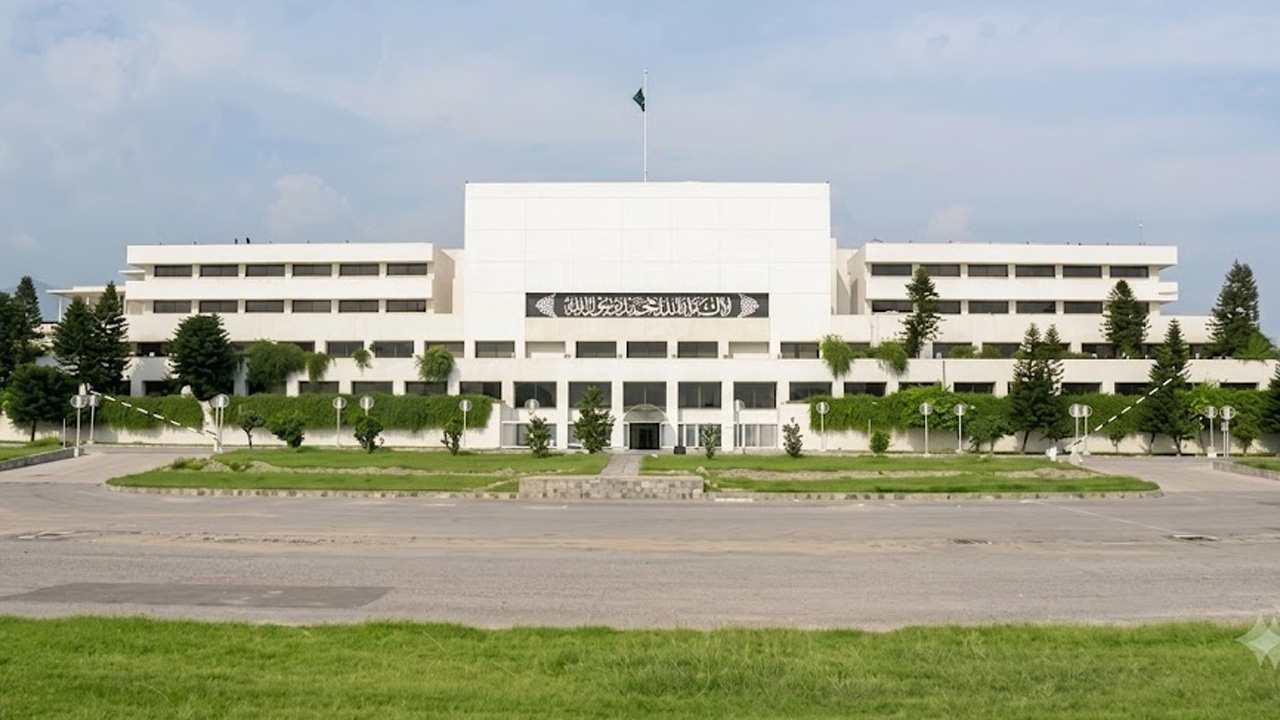
In a major and long-awaited political development, a landmark resolution has been passed to elevate Gilgit-Baltistan (GB) to the status of Pakistan’s fifth constitutional province. The move marks a historic shift in the region’s geopolitical standing, aimed at granting its citizens full constitutional rights, representation in Pakistan’s upper houses of parliament, and a formal voice in national decision-making bodies.
The resolution reflects decades of persistent demands from the people of Gilgit-Baltistan for complete integration with the constitutional framework of Pakistan.
Key Highlights of the Resolution
- Constitutional Integration: The resolution paves the way for necessary amendments to the Constitution of Pakistan to formally declare Gilgit-Baltistan a province alongside Punjab, Sindh, Khyber Pakhtunkhwa, and Balochistan.
- Parliamentary Representation: Upon implementation, the region will secure formal representation in both the National Assembly and the Senate of Pakistan, giving local leaders a direct say in federal legislation.
- National Councils Membership: GB will gain full, institutional representation in the National Economic Council (NEC), the National Finance Commission (NFC), and the Council of Common Interests (CCI), ensuring its fair share of federal funds and developmental resource distribution.
Understanding the Strategic and Political Impact
Empowering the People of GB
For decades, Gilgit-Baltistan was governed through various ad-hoc administrative orders and empowerment packages. While these packages gradually granted the region its own legislative assembly and chief minister, they stopped short of full constitutional status. This newly passed resolution addresses the fundamental grievance of the region by bringing its judicial, executive, and legislative structures on par with the rest of the country’s provinces.
Economic Boost & CPEC Alignment
Gilgit-Baltistan serves as the vital terrestrial gateway for the China-Pakistan Economic Corridor (CPEC). Granting it provincial status is expected to:
- Streamline legal and administrative frameworks governing international trade routes.
- Boost investor confidence, leading to upgraded infrastructure and development across tourism, hydropower, and mineral sectors.
- Ensure local authorities have statutory rights over provincial revenue generation and federal developmental budget allocations.
The Path to Implementation
While passing the resolution is a momentous and foundational victory, the transition requires a two-thirds majority amendment in the Parliament of Pakistan to officially rewrite the geographical and constitutional boundaries defined in Article 1 of the Constitution.