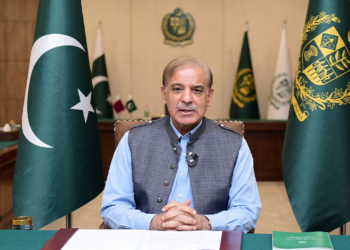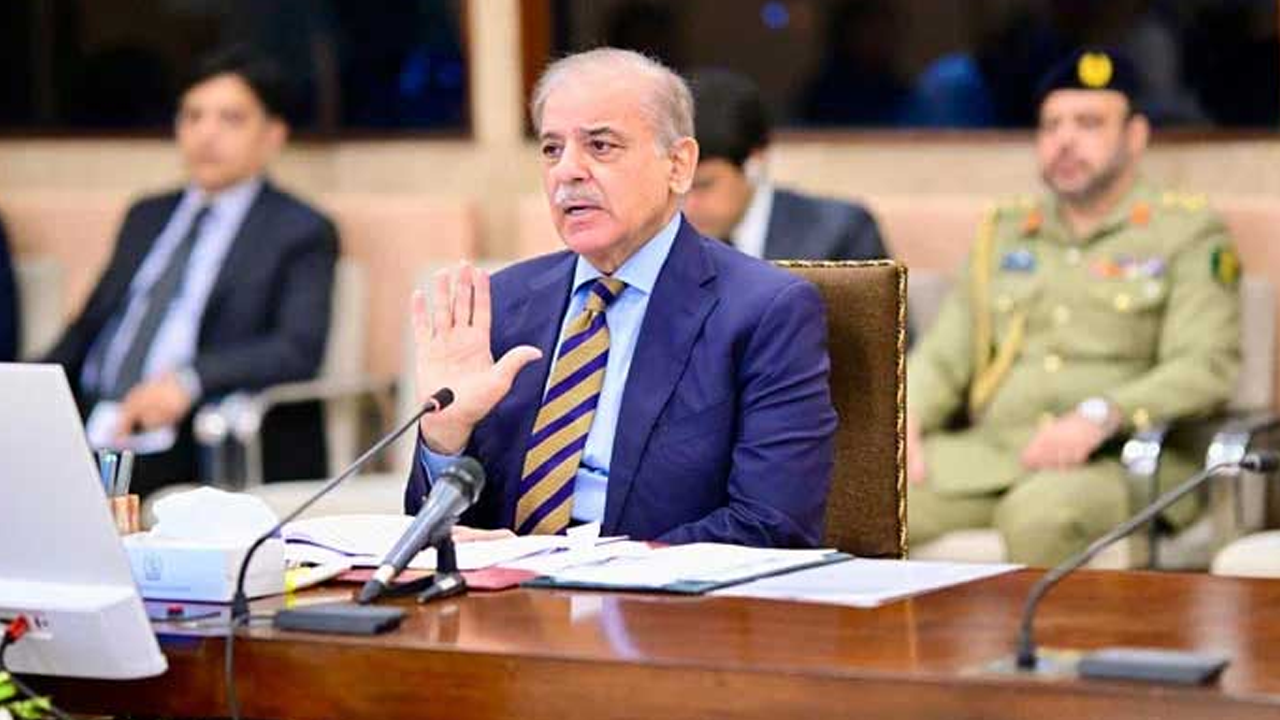
ISLAMABAD, July 29, 2026 — Prime Minister Shehbaz Sharif has directed authorities to expand Pakistan’s strategic petroleum reserves as part of a broader initiative aimed at strengthening the country’s energy security and ensuring a stable supply of petroleum products during emergencies or unexpected market disruptions.
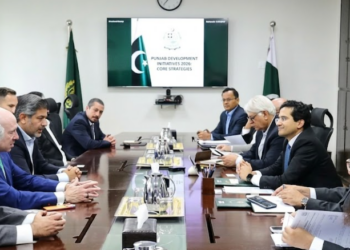
The directive was issued during a high-level meeting focused on the country’s energy sector. Officials reviewed the current status of petroleum reserves, fuel supply systems, and ongoing reforms designed to improve efficiency, attract investment, and enhance long-term energy planning.
The decision reflects the government’s continued focus on building a more resilient energy sector capable of responding effectively to fluctuations in global oil markets and supply chain challenges.
Strategic Petroleum Reserves Explained
Strategic petroleum reserves are emergency stockpiles of crude oil or refined petroleum products maintained by governments to safeguard against supply disruptions caused by natural disasters, geopolitical developments, or unexpected market conditions.
These reserves help ensure that fuel remains available for transportation, healthcare, emergency services, agriculture, and industrial operations during periods of uncertainty.
Many countries maintain strategic reserves as part of their national energy security policies, enabling them to stabilize domestic fuel supplies when international markets experience volatility.
Strengthening Energy Security
Energy security has become an increasingly important priority for countries seeking stable economic growth. Reliable access to petroleum products supports transportation networks, electricity generation, manufacturing industries, and agricultural production.
By increasing strategic reserves, Pakistan aims to reduce the risk of supply shortages while improving its ability to respond to unexpected disruptions in global energy markets.
Energy experts note that maintaining adequate reserves can strengthen market confidence and support long-term economic stability.
Focus on Energy Sector Reforms
During the meeting, the prime minister also emphasized the importance of continuing reforms within the energy sector to improve transparency, encourage healthy competition, and attract private investment.
Officials discussed measures aimed at modernizing regulatory processes, improving operational efficiency, and creating a more investor-friendly environment.
Experts believe that reforms supporting transparency and streamlined regulations can strengthen confidence among domestic and international investors.
Encouraging Investment
The government also highlighted plans to promote investment opportunities in Pakistan’s energy sector.
Authorities have been instructed to organize investment roadshows in selected Gulf countries, including Qatar and Saudi Arabia, to showcase opportunities related to refining, energy infrastructure, and petroleum development.
Such initiatives are expected to strengthen international business partnerships while encouraging foreign investment in key energy projects.
Investment in refining capacity and storage infrastructure can contribute to greater energy resilience and support future industrial growth.
Importance of Storage Infrastructure
Expanding petroleum storage capacity is considered an important part of modern energy planning.
Larger storage facilities provide greater flexibility in managing fuel supplies, particularly during periods of increased demand or temporary disruptions in imports.
Improved storage infrastructure also allows authorities to maintain sufficient reserves while supporting efficient distribution across different regions of the country.
Industry analysts note that strategic investment in storage facilities strengthens overall energy management.
Supporting Economic Growth
A reliable energy supply plays a significant role in supporting economic activity.
Businesses depend on stable fuel availability for transportation, logistics, manufacturing, construction, and other commercial operations.
By strengthening petroleum reserves and encouraging investment, policymakers aim to create conditions that support sustainable economic development and improved industrial productivity.
Energy sector improvements can also contribute to greater investor confidence and long-term business expansion.
Long-Term Energy Planning
Modern energy planning extends beyond meeting immediate fuel demand. It includes developing resilient infrastructure, improving efficiency, encouraging investment, and preparing for future energy requirements.
Experts suggest that a balanced approach combining strategic reserves, infrastructure development, and regulatory reforms can strengthen the country’s overall energy system.
Long-term planning also helps governments respond more effectively to changing global energy trends.
Looking Ahead
The government’s latest directive is expected to support broader efforts aimed at improving Pakistan’s energy resilience and strengthening the petroleum supply system.
Officials are likely to continue evaluating storage capacity, infrastructure development, and investment opportunities while implementing reforms designed to improve efficiency across the sector.
Industry observers believe that continued investment in energy infrastructure and strategic planning will play an important role in supporting future economic growth.
Conclusion
The decision to expand Pakistan’s strategic petroleum reserves highlights the government’s focus on strengthening energy security and ensuring a stable fuel supply during periods of uncertainty. Alongside efforts to improve transparency, attract investment, and modernize the energy sector, the initiative reflects a long-term approach to building a more resilient energy system.
As energy demand continues to grow, strategic planning, infrastructure investment, and effective resource management are expected to remain central to Pakistan’s economic and energy development goals.