Government Decides to Maintain Petrol, Diesel Prices Unchanged for Next Two Days
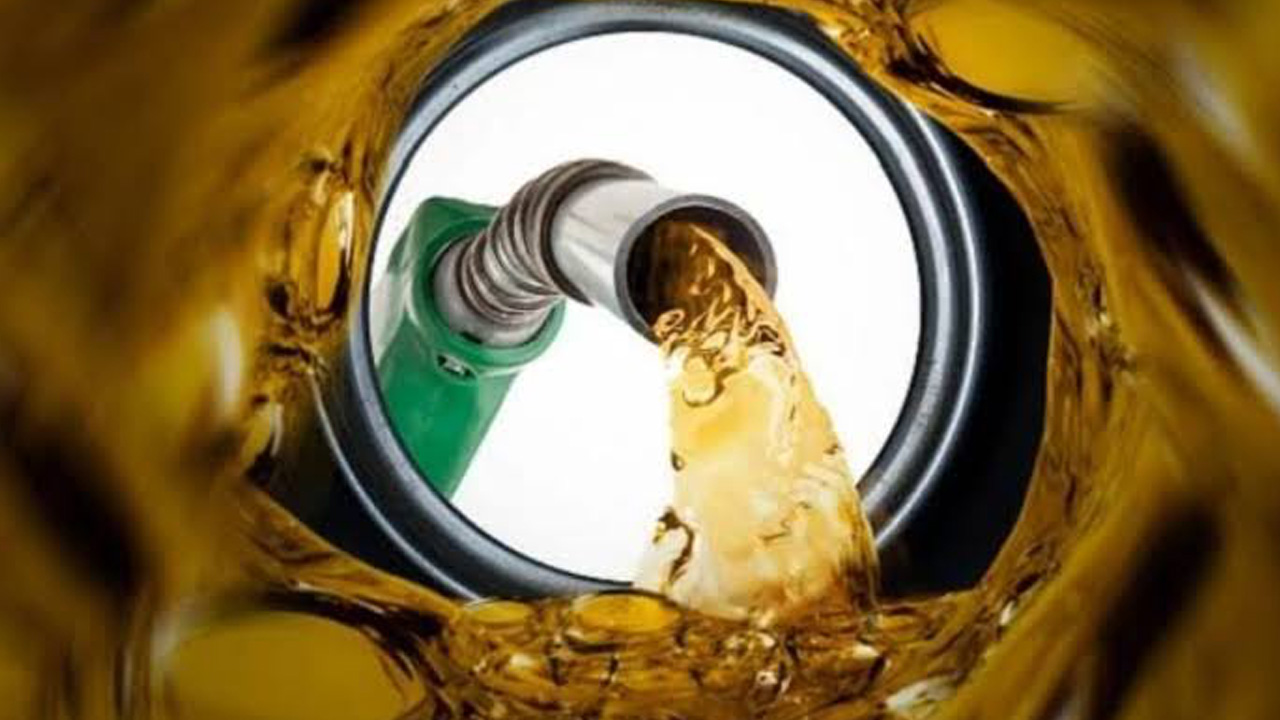
ISLAMABAD / KARACHI — In a brief interim relief for commuters, transport operators, and industrial consumers, the government has announced that the prices of major petroleum products—including Motor Spirit (Petrol) and High-Speed Diesel (HSD)—will remain unchanged for the next two days.
The decision comes amid ongoing consultations between the Ministry of Energy (Petroleum Division), the Oil and Gas Regulatory Authority (OGRA), and the Finance Division to evaluate fluctuating international crude oil benchmarks, import freight costs, and domestic exchange rate movements before finalizing the upcoming fortnight price notification.
1. Short-Term Stability Amid International Energy Market Fluctuations
The temporary hold on fuel pricing provides immediate stability to local consumers who have been closely monitoring international energy trends. Over recent trading sessions, global oil benchmarks—such as Brent Crude and West Texas Intermediate (WTI)—have experienced heightened volatility due to geopolitical developments, shifting OPEC+ production strategy discussions, and fluctuating global demand forecasts.
By maintaining current prices for two days, the government aims to absorb short-term market noise and compute a more accurate average of international supply costs.
2. Impact on Logistics, Transport, and Daily Inflation
Fuel pricing remains one of the most critical drivers of general price levels across the national economy. High-Speed Diesel, in particular, acts as the backbone of Pakistan’s logistics network, powering cargo trucks, intercity freight trains, and agricultural equipment.
Stabilizing Freight and Transport Fares: A stable diesel price prevents immediate fare hikes by public transport unions and goods transport associations, protecting supply chain costs for essential commodities like food and grain.
Predictability for Businesses: Small businesses, manufacturing units, and delivery services benefit from short-term cost predictability when planning operational expenditures.
Anchoring Consumer Price Expectations: Keeping retail fuel prices steady helps suppress immediate inflationary expectations, particularly in urban centers where commuting costs take up a significant portion of household budgets.
“Maintaining fuel price stability, even briefly, helps prevent sudden cost-push inflation in food and essential logistics. It provides much-needed relief to daily wage earners and small transport operators.”
3. Key Factors Shaping the Upcoming Fortnightly Announcement
Once the two-day interim period concludes, the Ministry of Finance will release a comprehensive notification outlining revised or maintained prices for the subsequent fortnight. The final pricing formula will be determined by three key variables:
International Refined Product Averages: The average FOB (Free on Board) prices of petrol and diesel reported in Asian commodities markets over the preceding fortnight.
Pakistani Rupee (PKR) Exchange Rate: The foreign exchange conversion rate applied to imported cargoes, balancing local currency movements against the U.S. Dollar.
Petroleum Levy (PL) and Inland Freight Equalization Margin (IFEM): Government levy adjustments and regional transport margins calibrated to balance national revenue targets with retail affordability.


Sindh Lithium Find Boosts Pakistan’s Strategic Mineral Goals
Central energy and mineral administrators have officially announced a massive structural breakthrough, confirming the successful discovery of high-grade critical minerals...