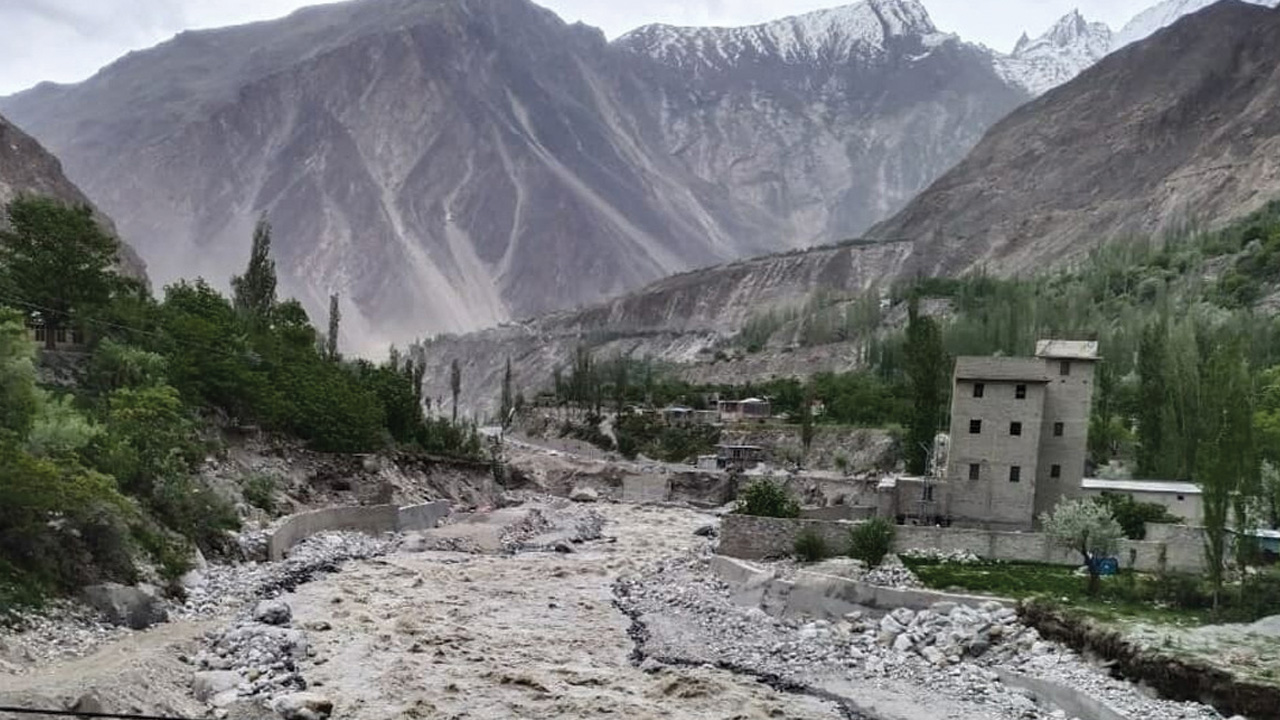
PESHAWAR: The Provincial Disaster Management Authority (PDMA) of Khyber Pakhtunkhwa has issued a high-alert weather advisory warning of potential Glacial Lake Outburst Floods (GLOFs) across the province’s northern mountainous districts.
The directive comes in response to reports from the Pakistan Meteorological Department (PMD) indicating that a combination of soaring daytime temperatures and an incoming westerly weather wave could trigger rapid glacier melting, flash floods, and sudden mudslides.
High-Risk Vulnerable Districts
The administrative heads and Deputy Commissioners (DCs) of the following districts have been instructed to execute immediate precautionary safety protocols to protect local communities:
Chitral Region: Both Upper and Lower Chitral districts face elevated risks due to expanding glacier-fed water channels.
Swat Valley: Low-lying areas and riverside communities near Bahrain and Kalam are being closely observed.
Upper Dir & Kohistan: Rapid thawing of mountain snowpack poses threats of sudden flash floods down steep terrains.
Mansehra: Heavy rain over saturated mountain slopes increases the likelihood of landslides and debris flows.
Accelerating Environmental Triggers
According to climate experts, the core cause behind the immediate alert is dual-action weather pressure. High glaciated valley temperatures are running well above normal, which significantly compromises natural debris and ice dams holding back high-altitude water zones.
When mixed with the predicted heavy thunderstorms and localized downpours brought by incoming westerly winds, the excess meltwater is projected to fill these fragile reservoirs beyond capacity.
PDMA Emergency Operational Directives
To mitigate potential losses to human life, livestock, and infrastructure, the PDMA has authorized the activation of the following localized emergency mechanisms:
Evacuation Readiness: District administrations are ordering mock evacuation drills within vulnerable communities and ensuring that designate safety shelters are fully operational and stocked with food and medical supplies.
Proactive Site Monitoring: Local Community-Based Disaster Risk Management Committees (CBDRMCs) are deploying spotters to check streams for sudden muddiness or the sound of grinding rocks—both clear indicators of upstream debris flows.
Infrastructure Pre-positioning: Rescue services (Rescue 1122), civil defense units, and heavy engineering machinery are being pre-positioned along major road links in coordination with the National Highway Authority (NHA) and the Frontier Works Organisation (FWO) to ensure immediate clearing of potential landslides.
Strict Advisories for Tourists and Residents
The provincial authority has strongly advised travelers and tourists against planning unnecessary journeys into glacier-prone areas, narrow mountain valleys, or high-altitude trekking routes for the duration of the alert window.
Local riverside residents have also been instructed to relocate livestock to higher ground, avoid setting up temporary dwellings near active stream beds, and keep emergency contact networks open by utilizing the PDMA helpline (1700) in the event of any flash-flooding eventuality.
To see real-time field reports on how regional authorities are responding to these weather warnings, you can watch this Aaj News Report on the KP Glacier Alert. This news broadcast provides visual context on the current weather systems affecting northern Pakistan and outlines further safety protocols implemented across affected communities.