Pakistani Rupee Edges Higher Against US Dollar Despite Global Dollar Strength
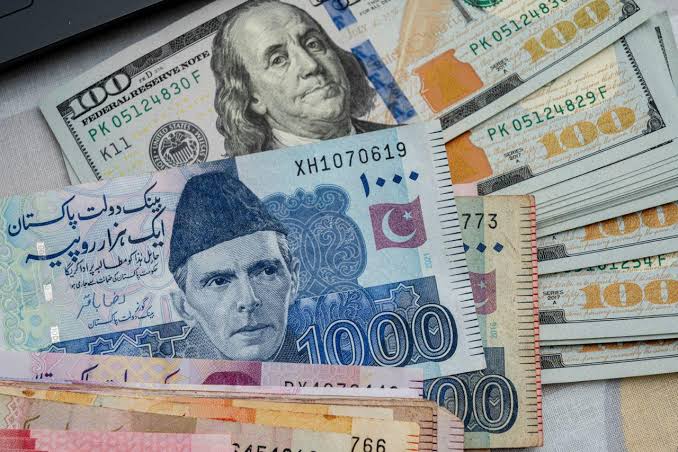
The Pakistani rupee managed to extend its gains against the US dollar on Monday, even as the greenback strengthened broadly across global currency markets amid rising geopolitical tensions. The local currency closed the day at 277.95 against the dollar, a modest gain of Re0.01 compared to Friday’s close of 277.96.
While a one-paisa move might seem negligible on its own, the fact that the rupee held steady, and even edged marginally higher, at a moment when the dollar was gaining strength almost everywhere else in the world is notable in itself. It suggests Pakistan’s currency managed to resist the broader wave of dollar demand that typically pressures emerging market currencies during periods of global risk-off sentiment.
Why the Dollar Strengthened Globally
The US dollar made a modest advance against most of its major global peers as Asian trading opened on Monday, driven largely by investors seeking safe-haven assets amid escalating geopolitical tensions in the Middle East. Against the Japanese yen specifically, the dollar climbed 0.1 percent to reach 162.48, its strongest level since July 9, as the deepening US-Iran conflict pushed more investors toward traditionally safer currency holdings.
The pattern held across other major currencies too. The euro slipped 0.1 percent to $1.1426, while the British pound held roughly level at $1.3445. Commodity-linked currencies felt the pressure as well, with the Australian dollar dipping 0.1 percent to $0.6975 and the New Zealand dollar declining 0.2 percent to $0.5833. Taken together, this pattern reflects a fairly classic flight-to-safety dynamic, where escalating geopolitical risk pushes global capital toward the dollar and away from riskier or more growth-sensitive currencies.
Oil Prices Add Another Layer of Pressure
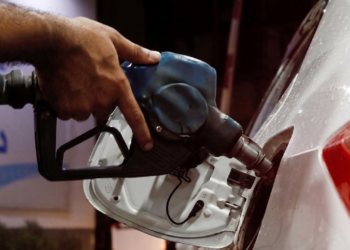
Compounding the currency market moves, oil prices jumped sharply on Monday, climbing roughly 3 percent as the conflict in the Middle East continued to intensify. Brent crude futures surged $2.77, or 3.14 percent, to reach $90.87 a barrel by mid-morning GMT, marking the highest level since June 11 and extending a powerful rally that had already seen Brent rise 15.9 percent the previous week, its biggest weekly gain since April.
US West Texas Intermediate crude followed a similar trajectory, climbing $2.35, or 2.85 percent, to $84.84 a barrel, its highest point since June 12.
Why This Matters for Pakistan
For Pakistan, this combination of global dollar strength and surging oil prices represents a genuinely tricky mix. As a country that imports the vast majority of its petroleum needs, rising oil prices directly increase the size of Pakistan’s import bill, which in turn puts pressure on the very foreign exchange reserves needed to keep the currency stable. At the same time, a strengthening global dollar generally makes it harder for emerging market currencies like the rupee to hold their ground, since capital tends to flow toward dollar-denominated assets during periods of heightened uncertainty.
Given these crosscurrents, the rupee’s ability to post even a marginal gain on Monday suggests that domestic factors, whether stronger-than-expected external financing inflows, State Bank of Pakistan interventions, or steady remittance flows, are currently offsetting at least some of the external pressure coming from rising oil prices and global dollar strength.
A Fragile Balance
That said, the broader trend of rising oil prices remains a genuine concern for Pakistan’s external account stability going forward. With Brent crude now trading above $90 a barrel and showing no clear signs of retreating given the ongoing conflict, the pressure on Pakistan’s import bill is likely to persist, and possibly intensify, in the weeks ahead. If oil prices continue climbing while the dollar remains broadly strong, maintaining the kind of currency stability seen on Monday could become increasingly difficult without additional support, whether through further external financing, active central bank management, or a de-escalation of the geopolitical tensions currently driving global markets.
Looking Ahead
For now, Monday’s marginal rupee gain offers a small note of stability amid what remains a genuinely volatile global backdrop. Whether that stability holds through the coming days will likely depend heavily on how the US-Iran conflict evolves, how sustained the current oil price surge proves to be, and how effectively Pakistan’s external financing position, bolstered recently by fresh commitments from partners like Saudi Arabia, can continue to buffer the local currency against these mounting global pressures.