Punjab Moves Forward with Major Road Development Through Public-Private Partnerships
A Big Step for Provincial Infrastructure

Punjab approves seven road projects under a Public-Private Partnership programme, alongside a new initiative for local vaccine production to support the livestock sector.
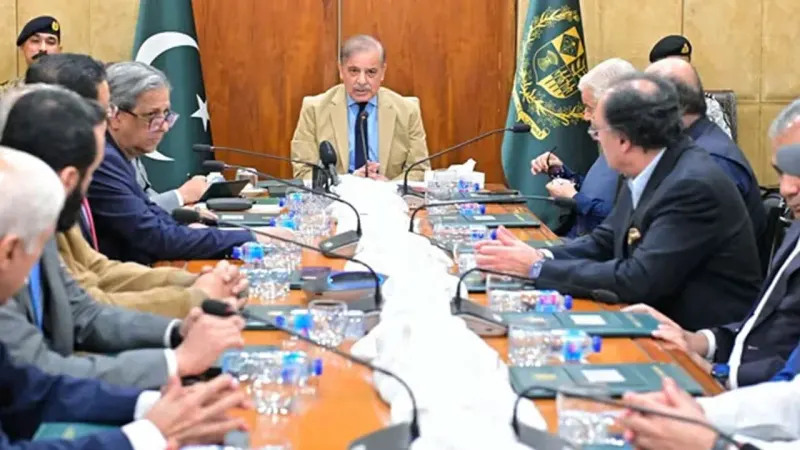
The Punjab government has taken an important step toward improving road infrastructure across the province by approving seven new road packages under its Public-Private Partnership programme, widely known as PPP. This decision was made during the fifth meeting of the Punjab Public-Private Partnership Authority, which was held in Lahore. The meeting brought together key officials to discuss how private sector involvement can help improve public infrastructure and services.
The meeting was chaired by a Senior Provincial Minister, who led discussions on a range of topics related to infrastructure development, public services, and how well government institutions are performing in delivering these services to the public.
Understanding Public-Private Partnerships
Public-Private Partnerships, often shortened to PPP, are arrangements where the government works together with private companies to complete large projects. Instead of the government funding and managing every part of a project alone, private businesses are brought in to share the responsibility, the cost, and sometimes the profits.
This model has become increasingly popular around the world, especially for infrastructure projects like roads, bridges, and public utilities. The idea is that private companies often bring efficiency, technical expertise, and additional funding to projects, which can help these projects get completed faster and to a higher standard than they might if handled entirely by government departments.
Details of the Road Packages
According to the decisions made during the meeting, seven road packages have now received approval under this partnership framework. These packages relate to the construction and rehabilitation of provincial roads, which are an essential part of daily life for millions of people who rely on them for travel, trade, and transportation of goods.
Under the arrangement, private companies that win the bidding process for these projects will be responsible for building and repairing the roads. But their role does not end there. These companies will also be responsible for the operational management of the roads for a period of seven years after completion. This means they will oversee maintenance and upkeep, ensuring that the roads remain in good condition for a significant period of time.
In addition to managing operations, these private partners will also share profits generated from the projects with the government. This profit-sharing model is designed to create a mutually beneficial relationship, where private companies have a strong incentive to maintain high-quality infrastructure, since their own returns are tied to the performance and sustainability of the roads.
Why This Model Makes Sense for Road Projects
Roads require significant investment not just to build, but also to maintain over time. Potholes, wear and tear from heavy traffic, and weather-related damage can quickly reduce the quality of a road if it is not properly looked after. By involving private companies for a full seven-year period after construction, the government aims to ensure that these roads are not just built well, but also kept in good condition long after the initial construction work is finished.
This approach also allows the government to focus its own resources and attention on other important areas, while still ensuring that citizens benefit from well-maintained infrastructure. For everyday commuters, better roads can mean smoother travel, fewer accidents caused by poor road conditions, and reduced vehicle maintenance costs over time.
A Broader Push for Institutional Improvement
Beyond the specific road projects, the meeting also touched on wider goals related to institutional performance. Discussions included ways to improve how public services are delivered and how government institutions can function more effectively. This reflects a broader effort to modernize governance and ensure that public resources are used efficiently.
Strengthening institutional performance is often seen as just as important as building physical infrastructure. Even the best roads or public facilities require capable institutions to manage, monitor, and maintain them over the long run.
An Unexpected but Important Addition: Vaccine Production
Interestingly, the meeting was not limited to roads and infrastructure alone. Officials also approved a significant initiative focused on the local production of vaccines for foot-and-mouth disease, a condition that affects livestock such as cattle and buffalo. This disease can have a serious impact on the agriculture sector, particularly for farmers who depend on healthy livestock for their livelihood.
By supporting local vaccine production through the same Public-Private Partnership framework, the government hopes to reduce dependency on imported vaccines and make disease prevention more accessible and affordable for farmers across the province. This move could play an important role in protecting the livestock sector, which is a vital part of the rural economy.
Alongside this vaccine initiative, the meeting also reviewed plans related to the transformation of livestock farms. While specific details were not fully outlined, this suggests an interest in modernizing how livestock farming operations are managed, potentially improving productivity and animal health standards across the sector.
A Multi-Sector Approach to Development
Taken together, the outcomes of this meeting reflect a broader, multi-sector approach to development. While road infrastructure remains a major focus, the inclusion of agricultural and livestock-related initiatives shows that Public-Private Partnerships are being used as a flexible tool to address needs across different parts of the economy.
This kind of approach allows the government to tackle multiple challenges at once, using private sector involvement to bring in resources, expertise, and efficiency across a range of important sectors, from transportation to agriculture and public health.
Looking Ahead
With seven road packages now approved, attention will likely turn toward the bidding process and the selection of private companies that will carry out these projects. Over the coming months, more details are expected to emerge about specific road locations, project timelines, and the companies involved.
Meanwhile, the vaccine production initiative and livestock farm transformation plans may also see further developments as they move from approval to implementation. Together, these initiatives represent an effort to improve both physical infrastructure and essential services that directly affect the daily lives of people across the province.
Related stories
 Breaking
PM Shehbaz Likely to Visit Russia in December
 Breaking
Maryam Nawaz Speaks to Scooty-Riding Girl; Suspect Arrested
 Breaking
Punjab Raises Prisoners’ Account Limit to Rs25,000
 Business
Four NHA Projects Planned Under Public-Private Partnership
 Pakistan
CM Maryam Nawaz: Punjab Taking Concrete Steps Against Poverty
 Government