Building a Forward-Looking Nation: Experts Discuss Pakistan's Path Ahead
A Gathering of Minds to Shape the Future
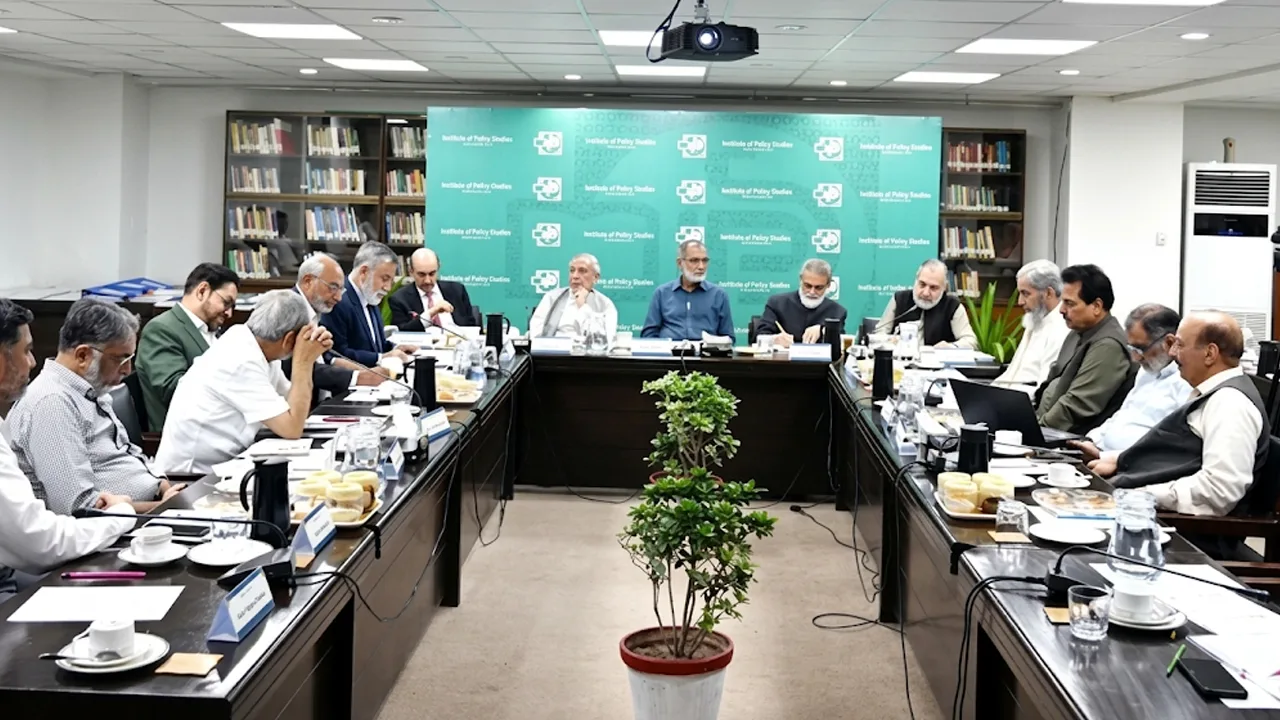
Experts at a national policy forum stress the need for stronger institutions, better governance, agricultural reform, and a clear AI roadmap to secure the country's future.
Policy experts, scholars, and government representatives recently gathered in Islamabad to discuss the future direction of Pakistan. This meeting was part of the annual national advisory council event linked to a leading policy research institute. It brought together researchers, decision-makers, diplomats, technical experts, and other professionals to share insights on national and global issues.
Such meetings are crucial for shaping long-term thinking. By uniting people from diverse backgrounds, these forums foster fresh ideas and honest discussions about the country's challenges and opportunities.
Looking Ahead: The Importance of Anticipating Change
A key message from the meeting was the importance of anticipating emerging trends rather than reacting to challenges. In a rapidly changing world, being proactive can significantly influence how well a nation adapts to new circumstances.
Participants also emphasised strengthening institutional capacity. Strong institutions that can adapt and respond effectively are essential for long-term progress. Additionally, speakers highlighted the need to translate knowledge and research into practical solutions, rather than leaving ideas in theoretical discussions.
A Call for Stronger Governance
Governance was a major topic of discussion. Participants stressed that addressing complex challenges requires stronger institutions, improved governance practices, and evidence-based policymaking.
Recommendations included bringing governance closer to citizens, ensuring decisions reflect the needs of ordinary people. Strengthening local and metropolitan institutions was also urged, as they play a direct role in service delivery and community management.
Reducing political interference in administrative processes was another key point. Independent and efficient institutions are better equipped to deliver fair outcomes. Establishing transparent decision-making and public service delivery mechanisms was highlighted as crucial for building trust between citizens and the government.
Strengthening the Agricultural Sector
Agriculture, vital to the national economy, received significant attention. Speakers highlighted areas for improvement, such as better management of water resources and irrigation systems. Reliable water supply is crucial for agricultural productivity.
Better crop planning was also prioritised to ensure farming decisions are based on practical needs and market conditions. Stronger support systems for farmers were recommended, as they often face challenges accessing resources, markets, and fair pricing.
Other recommendations included effective regulation of agricultural inputs like seeds and fertilisers, and addressing smuggling issues within the supply chain. Efficient value chains connecting farmers to markets were also suggested.
Preparing for the Digital and AI-Driven Future
The discussion also focused on information technology and artificial intelligence. Participants called for a clear national AI roadmap to adopt and benefit from this evolving technology.
Strengthening data architecture was highlighted as crucial, as secure data systems are the foundation for effective digital services. Interoperable public digital infrastructure was also emphasised, ensuring government systems work together smoothly.
Affordable access to computing resources was discussed, recognising that technological progress depends on accessibility. Practical ethical frameworks for AI, tailored to the country's social and economic context, were also called for.
Why These Discussions Matter
Forums like this serve an important purpose by bringing together diverse expertise to address complex challenges. Whether focusing on governance, agriculture, or technology, the message is clear: progress requires thoughtful planning, strong institutions, and adaptability.
By addressing these issues collectively, participants aimed to understand how different sectors are interconnected and how improvements in one area can support progress in others.
A Vision Rooted in Practical Solutions
A recurring theme was the importance of moving beyond theoretical ideas to focus on practical solutions. Real progress depends on turning ideas into concrete actions.
Whether improving local governance, modernising agriculture, or preparing for a technology-driven future, the emphasis remained on creating systems and strategies that can be realistically applied for meaningful improvement.
Looking Ahead
As discussions continue, the insights shared at such forums often influence future planning and decision-making. With clear recommendations on governance, agriculture, and technology, this gathering offered a broad perspective on the path forward.
The coming months and years will reveal how these ideas translate into policies and initiatives, as the country works to build stronger institutions, a resilient economy, and a future prepared for upcoming challenges and opportunities.
Related stories
 Breaking
PM Shehbaz Likely to Visit Russia in December
 Government
48 Members Appointed to KP Regional Development Council
 Government
Gilani Calls for Collective Efforts to Improve Child Health
 Government
PM: Govt Working to Ensure Decent Livelihoods for All
 Government
Pakistan Offers Türkiye Full Help After Istanbul Floods
 Government