Macroeconomic Recovery and Energy Consumption
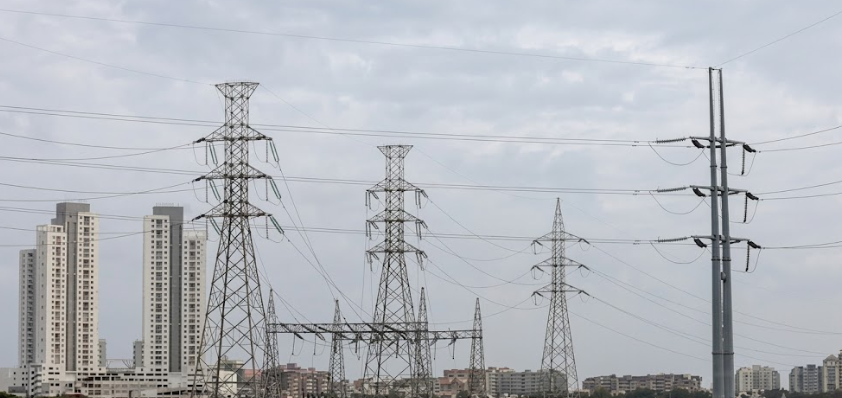
In a definitive validation of overarching economic stabilization, central utility administrators operating within the primary southern metropolitan hub have registered a massive structural surge in industrial energy consumption.
Finalized operational data for the latest fiscal cycle explicitly indicates that localized industrial entities forcefully absorbed 6.08 billion units of electrical capacity, representing a highly aggressive twenty percent structural expansion from the preceding year.
Top-tier financial advisors and central economic planners strictly emphasize that this unyielding logistical draw serves as a highly reliable, data-driven indicator of physical commercial velocity.
The massive operational acceleration strictly aligns with broader macroeconomic recovery benchmarks, definitively correlating with a sustained upward trajectory in overarching national productivity.
By systematically breaking a multi-year stagnation matrix, this relentless energy absorption provides undeniable structural proof that physical manufacturing assets are currently operating at highly accelerated deployment rates, entirely independent of speculative baseline sentiment.
Structural Infrastructure and Capacity Expansion
At the absolute operational center of this massive industrial shift is the rapid, unrelenting deployment of expanded infrastructural capacities and targeted regulatory frameworks.
Central utility administrators formally confirmed the aggressive integration of nearly three hundred and fifty newly capitalized industrial connections into the overarching energy grid, while successfully executing massive load upgrades for over two hundred and seventy established commercial operators.
This deeply sustained logistical expansion is heavily driven by proactive federal initiatives, explicitly designed to aggressively transition massive industrial operators from isolated captive power generation directly onto the highly regulated national grid.
Heavy industrial hubs are aggressively mobilizing structural resources strictly to fulfill heavily accelerated production mandates across core steel, textile, and cement manufacturing architectures.
The highest localized consumption consistently originates from mid-to-high capacity manufacturing categories, confirming that dominant corporate executives are rapidly deploying massive capital to heavily upgrade immediate operational output.
Institutional Collaboration and Sector Viability
The flawless execution of this aggressive grid expansion is actively facilitated by highly coordinated, multi-tiered institutional collaboration.
Executive utility leadership explicitly credits the rapid structural recovery to unyielding administrative support from federal economic authorities, highly specialized investment facilitation councils, and primary localized commercial syndicates.
This heavily integrated operational alignment strictly fosters a highly stable, deeply conducive environment for sustained foreign and domestic capital investment.
Central administrators continuously emphasize a rigid commitment to maintaining flawless, loadshed-exempted power supplies to these critical commercial sectors, forcefully ensuring absolute operational continuity.
This unyielding structural trajectory permanently establishes a highly resilient, data-driven operational foundation, guaranteeing that the primary southern commercial hub remains fully mobilized to continuously drive overarching national economic velocity.