Executive Seeding and Knockout Architecture
In a major administrative maneuver to streamline high-stakes competition across the regional athletic spectrum, central tournament organizers have officially finalized the operational draw for the incoming continental games.
Under the newly ratified structural framework, four primary regional powerhouses have been granted complete clearance to bypass the preliminary stages, securing immediate integration into the quarter-final matrix.
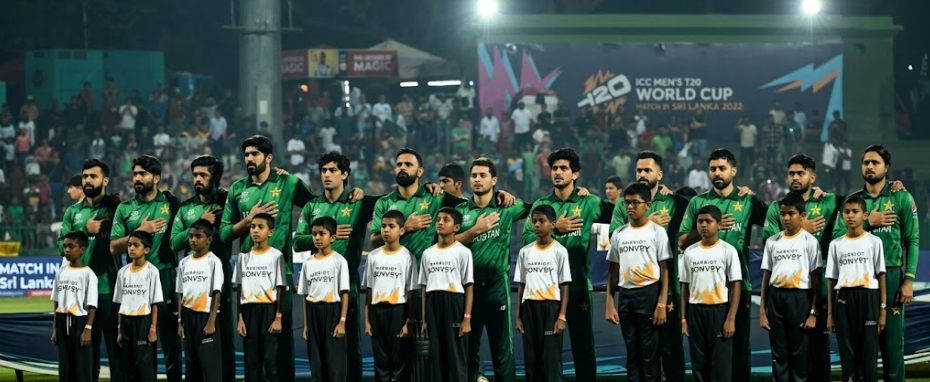
This top-tier seeding allocation directly insulates the athletic contingents of India, Pakistan, Bangladesh, and Sri Lanka from early operational friction, strategically reserving their deployment for the high-intensity knockout phase.
Executive directors explicitly designed this administrative shortcut to ensure that the tournament’s highest-capitalized teams preserve optimal operational capacity for the decisive championship rounds.
By bypassing initial group qualifications, central administrators have permanently locked in a concentrated, high-yield competitive baseline for the advanced stages of the international showcase.
Preliminary Grouping and Operational Logistics
While the top four factions remain insulated in the direct quarter-final matrix, the remaining six participating contingents must aggressively navigate a heavily contested preliminary framework.
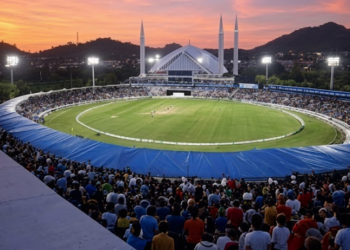
Scheduled for deployment across designated athletic facilities in Nagoya, this initial operational phase requires secondary teams to compete within two tightly structured qualification groupings.
The primary preliminary group forces intense operational friction between the athletic representatives of Afghanistan, Nepal, and Japan.
Simultaneously, the secondary qualification block features unyielding competitive engagements between the contingents of Hong Kong, Malaysia, and Oman.
Only the absolute top-performing unit from each preliminary grouping will secure official structural clearance to advance into the quarter-final architecture alongside the seeded elite.
This rigorous qualification pipeline ensures that emerging regional programs undergo rigorous operational vetting before interfacing with the primary championship factions.
Global Matrix and Championship Execution
The execution of this comprehensive tournament matrix carries significant implications for the overarching global athletic hierarchy.
All scheduled matches across both the men’s and women’s divisions will be strictly conducted under the accelerated Twenty20 logistical format to maximize operational efficiency and global broadcast reach.
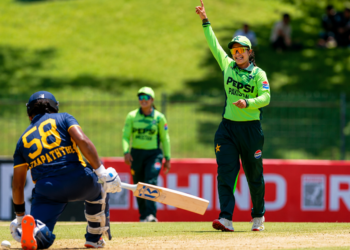
The parallel women’s tournament framework is structured to launch in mid-September, featuring an eight-team layout operating within an immediate quarter-final format.
As defending champions prepare to mobilize their primary operational assets, competing contingents face extreme administrative pressure to deliver flawless technical execution under strict temporal constraints.
Central organizers emphasize that the successful execution of this dual-division event is vital to reinforcing the global standing and commercial viability of regional athletic infrastructure.
The finalized operational roadmap guarantees an unyielding sequence of high-stakes engagements as teams contend for ultimate continental dominance.