Buying a brand-new car in Pakistan has become increasingly difficult due to rising vehicle prices, high interest rates, and expensive financing plans. Many people spend years saving money, while others choose bank financing only to find themselves burdened by monthly installments that become difficult to manage over time.
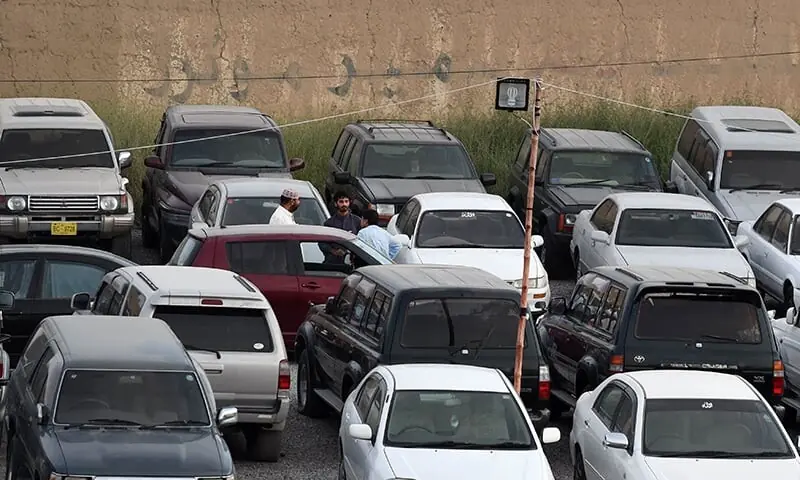
However, there is another option that many buyers either don’t know about or don’t fully understand: bank auction cars and government auction vehicles. These vehicles are sold legally through banks or government departments after repossession or seizure, and in some cases they can be available at prices lower than similar cars in the open market.
This does not mean every auction car is a bargain or that every vehicle is 30–40% cheaper. Prices depend on demand, condition, mileage, and the auction process. Still, for informed buyers, auctions can offer an opportunity to purchase a vehicle at a competitive price.
In this guide, you’ll learn how bank auctions work, who can participate, where to find official auctions, what risks to watch for, and how to avoid costly mistakes.
What Is a Bank Auction Car?
A bank auction car is a vehicle that has been repossessed by a bank after the customer failed to meet the terms of the financing agreement. When a borrower repeatedly misses payments and all recovery procedures are completed according to the loan contract, the bank may take possession of the vehicle and sell it through a public auction to recover part of the outstanding amount.
These auctions are a normal part of banking operations and are conducted under established procedures.
Why Do Banks Auction Cars?
When someone purchases a vehicle through bank financing, the buyer agrees to pay monthly installments over a fixed period.
If the customer consistently fails to make payments, the bank may:
Issue payment reminders.
Contact the customer to resolve the issue.
Offer restructuring in some cases.
Repossess the vehicle if contractual conditions are met.
Sell the vehicle through an auction to recover outstanding dues.
The objective is to recover the unpaid loan—not to keep the car.
Are Auction Cars Really Cheaper?
This is one of the biggest misconceptions.
Some auction vehicles do sell below the average market price, but there is no fixed discount. The final selling price depends on factors such as:
Number of bidders
Vehicle condition
Mileage
Model year
Accident history
Service record
Market demand
Popular models may attract heavy bidding and sell close to market value, while less popular vehicles may sell for lower prices.
Types of Vehicle Auctions in Pakistan
There are several kinds of vehicle auctions:
1. Bank Repossessed Vehicles
Cars recovered after loan defaults.
2. Government Department Auctions
Vehicles retired from government use.
3. Customs Auctions
Vehicles confiscated under customs laws and sold according to legal procedures.
4. FBR Auctions
From time to time, the Federal Board of Revenue or related departments may auction seized assets in accordance with applicable laws.
5. Corporate Fleet Auctions
Large companies sometimes auction vehicles after completing their service life.
Who Can Participate?
Most public auctions are open to eligible individuals and businesses, provided they meet the auction’s terms and conditions.
Typically, participants need:
Valid CNIC
Required security deposit (if applicable)
Registration form
Proof of payment for the deposit
Compliance with the auction rules
Always read the auction notice carefully before participating.
Where Can You Find Bank Auction Cars?
Many banks and organizations announce auctions through their official websites, newspapers, or public notices.
Some well-known sources include:
BankIslami Auction Notices
Askari Bank Auction Announcements
Other commercial bank auction pages (when available)
PakWheels listings (which may aggregate public auction information)
Government auction notices
FBR announcements
Pakistan Customs auction notices
Always verify details through the official source before making any payment.
Step-by-Step: How to Buy an Auction Car
Step 1: Find an Official Auction
Look for announcements from banks or government departments.
Step 2: Read the Terms
Understand eligibility, deposit requirements, payment deadlines, and inspection rules.
Step 3: Inspect the Vehicle
If inspection is allowed, check:
Engine condition
Suspension
Transmission
Tires
Bodywork
Interior
Documents
If you’re not experienced, take a trusted mechanic with you.
Step 4: Submit the Deposit
Many auctions require a refundable security deposit before bidding.
Step 5: Participate in the Auction
Bid according to your budget. Avoid emotional bidding that pushes you beyond the vehicle’s actual value.
Step 6: Complete Payment
If you win, complete the payment within the specified deadline.
Step 7: Transfer Ownership
Ensure all ownership transfer and registration formalities are completed legally.
Advantages of Buying Auction Cars
Buying through an auction can offer several benefits:
Potential savings compared with some market listings
Transparent public bidding process
Access to a variety of vehicles
Opportunity to purchase well-maintained fleet vehicles
Legal purchase process when using official auctions
Risks You Should Know
Auction purchases also involve risks.
For example:
Some vehicles are sold “as is, where is.”
Mechanical issues may not be covered by any warranty.
Inspection opportunities may be limited.
Repair costs could reduce any savings.
Documentation requirements vary by auction.
A lower purchase price doesn’t always mean a lower total cost.
How to Avoid Common Mistakes
Before placing a bid:
Research the vehicle’s market value.
Set a maximum budget and stick to it.
Factor in registration, repairs, insurance, and taxes.
Verify the chassis and engine numbers.
Read every auction condition carefully.
Avoid making payments outside the official process.
Preparation is often the difference between a smart purchase and an expensive mistake.
Beware of Online Scams
Unfortunately, fake auction advertisements appear on social media and messaging apps.
To protect yourself:
Never send money to personal accounts without verification.
Confirm auction details through the official organization.
Be cautious of deals that promise unrealistically low prices.
Don’t rely solely on screenshots or forwarded messages.
Ask for official auction notices and documentation.
If something seems too good to be true, investigate before proceeding.
Can You Finance an Auction Car?
Some buyers use personal savings, while others may qualify for financing depending on the bank, the auction terms, and their financial profile. Financing options are not available for every auction, so confirm the payment method in advance.
Is Buying an Auction Car Worth It?
For buyers who research thoroughly, inspect the vehicle carefully, and understand the auction process, it can be a practical way to purchase a car.
However, success depends on making informed decisions rather than assuming every auction vehicle is automatically a bargain.
Final Thoughts
Bank and government vehicle auctions are a legitimate part of Pakistan’s automotive market. They can provide opportunities to buy vehicles at competitive prices, but they also require careful planning, realistic expectations, and proper due diligence.
Instead of focusing only on the possibility of saving money, buyers should evaluate the vehicle’s condition, legal documentation, ownership transfer process, and total cost of ownership. By using official auction sources, inspecting vehicles carefully, and avoiding scams, you can make a safer and more informed purchase.
Whether you’re buying your first car or looking for a budget-friendly upgrade, understanding how auctions work can help you make better financial decisions and avoid costly mistakes.