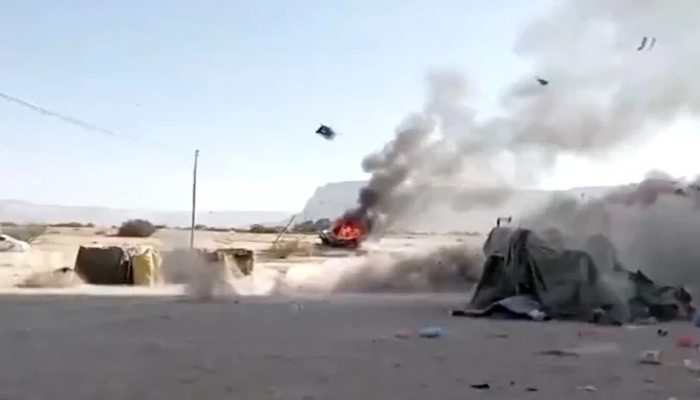
July 2026 — Yemen’s Houthi movement has claimed responsibility for a missile strike targeting the Saudi city of Jizan, marking another escalation in regional tensions. The claim came shortly after Saudi-led forces reported carrying out military operations against Houthi positions in Yemen, saying the strikes were aimed at sites allegedly used to threaten commercial shipping in the Red Sea.
The latest developments have drawn international attention as concerns grow over the potential impact of the conflict on regional stability, maritime security, and global trade. While officials continue to monitor the situation, observers say the renewed exchange of attacks highlights the fragile security environment across the Middle East.
Rising Regional Tensions
The latest incident follows weeks of heightened tensions involving maritime routes, regional security, and military activity. Both sides have exchanged accusations, with each describing its actions as defensive responses to perceived threats.
Analysts note that the conflict has expanded beyond local dynamics, affecting shipping routes, energy markets, and diplomatic efforts across the region. As a result, governments are closely monitoring developments to prevent further escalation.
Houthi Claim and Saudi Response
According to Houthi-affiliated media, a missile was launched toward the southern Saudi city of Jizan. Saudi authorities have also confirmed recent military operations targeting Houthi positions in Yemen, stating that the strikes were intended to reduce threats against commercial vessels operating in the Red Sea.
Independent verification of all battlefield claims remains difficult during active conflicts, and information released by the opposing sides may not always be immediately confirmed.
Concerns Over Maritime Security
One of the most significant aspects of the current situation is its effect on international shipping.
The Red Sea and the Bab al-Mandab Strait are among the world’s busiest maritime corridors, connecting Europe, Asia, and the Middle East. Any disruption in these waterways can delay cargo shipments, increase transportation costs, and influence global supply chains.
Several shipping companies have already adjusted routes because of heightened security concerns.
Economic Implications
Regional instability often affects global financial markets, particularly energy prices.
When uncertainty increases around major shipping lanes or oil-producing regions, investors closely watch developments for signs of possible disruptions to supply.
Although markets frequently respond to geopolitical events, economists caution that the long-term economic impact depends on how the situation evolves in the coming weeks.
Diplomatic Efforts Continue
Despite rising tensions, international diplomats continue encouraging restraint and dialogue.
Several countries and international organizations have repeatedly called for efforts to reduce violence and support political solutions aimed at restoring regional stability.
Diplomatic engagement remains an important tool for addressing complex regional disputes and preventing wider escalation.
Humanitarian Concerns
Continued conflict also raises humanitarian concerns for civilians living in affected areas.
International humanitarian organizations have consistently emphasized the importance of protecting civilian populations and ensuring access to essential services during periods of conflict.
Humanitarian assistance remains an important priority for communities affected by prolonged instability.
Global Attention
Governments around the world continue monitoring developments because of their potential impact on international trade, regional security, and global energy markets.
The latest exchange has renewed discussions among policymakers regarding maritime safety, conflict prevention, and international cooperation.
Observers believe that maintaining open diplomatic communication will remain essential as the situation develops.
Looking Ahead
The coming days are expected to be closely watched by governments, financial markets, and international organizations.
Security analysts say future developments will depend on military decisions, diplomatic initiatives, and efforts to prevent further escalation.
While uncertainty remains, continued dialogue and regional cooperation are widely viewed as the most effective path toward reducing tensions.
Conclusion
The Houthi claim of a missile strike on Saudi Arabia and the subsequent military developments illustrate the continuing volatility in the Middle East. Beyond the immediate security implications, the situation highlights broader concerns about maritime trade, regional stability, and global economic confidence.
As international attention remains focused on the region, diplomatic engagement and efforts to reduce tensions are likely to remain central to discussions in the weeks ahead.