FIA Busts Major Diesel Theft Network Operating Out of Islamabad Pipeline
A significant fuel theft operation has been uncovered in Islamabad, with the Federal Investigation Agency (FIA), working alongside Pakistan State Oil (PSO), dismantling a network accused of siphoning diesel directly from one of PSO’s main pipelines. Two suspects were arrested red-handed during the operation, which officials say exposes a scheme that had been running undetected for months.
How the Operation Unfolded
According to an FIA spokesperson, the raid took place near Jump Stop in Bhaga Sihala, acting on a tip-off that led investigators straight to the site. What they found was a fairly sophisticated setup: the suspects had allegedly built an organized network specifically designed to tap into and steal fuel from the PSO-ARL pipeline running through Sihala.
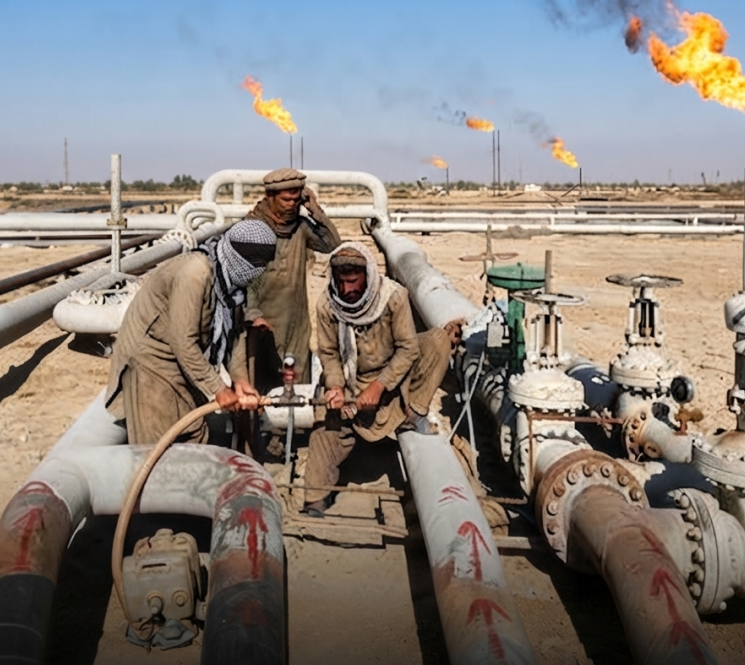
Rather than simply breaching the pipeline in a crude or obvious way, investigators say the group had installed an illegal underground secondary pipeline, effectively rerouting a portion of the diesel flow for their own use. The stolen fuel was then being transferred into oil drums before being funneled into the black market for sale, according to officials involved in the case.
Months of Undetected Theft
What makes this case particularly striking is just how long the operation appears to have been running. Initial investigation suggests the network had been active for roughly five to six months before it was finally uncovered, quietly draining resources from the pipeline the entire time.
During that period, officials estimate that approximately 20,000 litres of diesel were being illegally extracted from the main pipeline on a daily basis. That’s a substantial volume of fuel disappearing every single day, and it points to an operation that was neither small-scale nor improvised, but rather a deliberate, sustained effort to exploit the pipeline infrastructure for profit.
Estimating the Financial Damage
PSO’s initial assessment put the loss to the national exchequer at over Rs100 million. That said, based on the volume of diesel reportedly being stolen daily, even a conservative price estimate of around Rs300 per litre would put monthly losses closer to Rs180 million, which over five to six months would add up to well over Rs1 billion. This suggests the actual financial impact of the theft may turn out to be considerably higher than the initial figure once investigators complete a fuller assessment, something that will likely become clearer as the case progresses.
What Was Recovered
During the raid, officials seized the illegal secondary pipeline that had been installed to carry out the theft, along with two Shehzore pickup trucks that were loaded with multiple drums and tanks already filled with stolen oil. The physical evidence recovered at the scene, the makeshift pipeline setup, the vehicles, and the drums, paints a fairly clear picture of an operation that had moved well beyond the planning stage and into a routine, ongoing cycle of extraction and resale.
Investigation Still Underway
A case has been formally registered against the two suspects arrested at the scene, but authorities have made clear that this is far from the end of the matter. The FIA said the investigation would continue in order to determine whether other individuals were involved in running or supporting the network, and importantly, whether any government officials may have played a role in allowing the theft to continue undetected for so long.
That last point matters quite a bit. Pipeline theft on this scale, sustained over several months without detection, often raises questions about whether insider knowledge or complicity helped the network avoid scrutiny. Investigators appear to be taking that possibility seriously, rather than treating the case as an isolated incident involving only the two men caught on site.
A Recurring Problem for Pakistan’s Fuel Sector
This isn’t an entirely isolated case either. Fuel theft from pipelines has been a persistent challenge for Pakistan’s energy sector, and similar cases have surfaced before involving diesel theft from other pipeline networks, alongside separate incidents of gas theft uncovered in different parts of the country. Together, these cases point to a broader vulnerability in how fuel is transported through the country’s pipeline infrastructure, one that criminal networks have repeatedly tried to exploit for illegal profit at the expense of the national exchequer.
For state-owned entities like PSO, incidents like this represent both a direct financial loss and a security concern, since maintaining the integrity of pipeline infrastructure is essential not just for revenue protection but for ensuring stable and safe fuel distribution across the country. Every litre siphoned off illegally is a litre that doesn’t make it to legitimate consumers or contribute properly accounted revenue to the system.
What Comes Next
For now, attention turns to how far this investigation will reach. If the FIA’s probe does confirm the involvement of additional individuals, or worse, complicity from officials who were supposed to be safeguarding the pipeline, it could lead to a wider crackdown involving more arrests and potentially administrative action within the relevant institutions.
The case also serves as a reminder of how vulnerable critical fuel infrastructure can be to organized theft when oversight gaps exist, even in areas close to the capital. As investigators continue piecing together the full scope of the network’s operations, from figuring out precisely how much fuel was stolen to identifying everyone connected to the scheme, this case is likely to remain under close watch, both for what it reveals about the theft itself and for what it might expose about weaknesses in pipeline security more broadly.


Pakistani Expedition Reopens Remote Hindu Kush Pass for First Time in 27 Years, Women Reach Summit for the First Time Ever
A Pakistani mountaineering expedition has successfully crossed and summited the remote Phargam An Pass in the Hindu Kush, marking the...