Cabinet Committee Approves Prices Of 52 Life-Saving Medicines, Including Cancer Drugs, Insulin
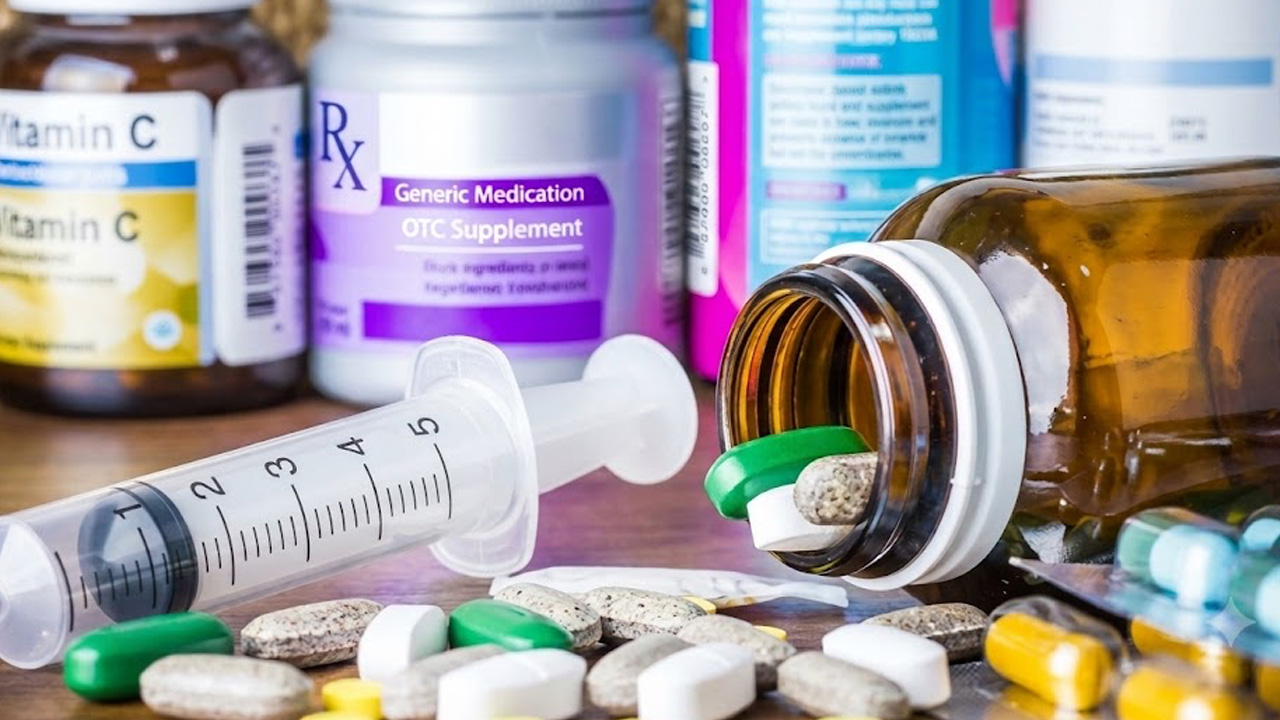
In a major move aimed at relieving widespread healthcare shortages and restoring market access to vital therapeutics, the Cabinet Committee on Drug Pricing has formally approved maximum retail prices (MRPs) for 52 essential life-saving medicines.
The decision covers critical treatments for life-threatening conditions, including advanced oncology drugs, insulin formulations, cardiovascular therapies, and intensive care pharmaceuticals. By fixing official pricing structures, the government has removed the regulatory roadblock that previously prevented pharmaceutical manufacturers and importers from legally distributing these newly registered drugs to retail outlets and hospital pharmacies nationwide.
Expanding Access to Critical Treatments
The newly priced list comprises a broad array of life-sustaining treatments that have been urgently sought by patients and healthcare providers. Among the primary beneficiaries of this decision are patients fighting cancer and chronic diseases:
Oncology & Immunotherapy: High-profile cancer drugs, such as Keytruda (Pembrolizumab) and Nivolumab, used in targeted immunotherapies for various malignancies.
Diabetes & Endocrine Care: Essential diabetes treatments, including specialized insulin delivery formulations (such as Humador insulin), ensuring patients maintain regular insulin access without market interruptions.
Autoimmune & Rheumatic Disorders: Monoclonal antibodies like Adalimumab, vital for treating severe rheumatoid arthritis and Crohn’s disease.
Critical Care & Hematology: Emergency room and ICU mainstays, including Recombinant Factor VIII for hemophilia patients, blood thinners like Dabigatran and Heparin, high-potency antibiotics like Meropenem and Fosfomycin, as well as anesthetic agents such as Ketamine.
Cardiovascular & Neurological Health: Specialized medications including Carbidopa-Levodopa for Parkinson’s disease and Methyldopa for managing hypertension during pregnancy.
In addition to chronic disease medications, the approval spans essential pediatric vaccines, radiology contrast agents, and specialized electrolyte solutions required for emergency surgical procedures.
A Delicate Balance: Public Interest vs. Market Viability
The Cabinet Committee meeting—chaired by Finance Minister Senator Muhammad Aurangzeb under the directive of Prime Minister Shehbaz Sharif—highlighted the delicate balance required between healthcare affordability and commercial supply chain stability.
“Drug pricing decisions must be transparent, evidence-based, and guided above all by the broader public interest. It is vital that we balance patient access to essential medicines with the long-term sustainability of the pharmaceutical supply chain.”
— Senator Muhammad Aurangzeb, Federal Minister for Finance
Over recent years, macroeconomic pressures—including global raw material cost inflation, currency fluctuations, and elevated freight charges—had created severe frictions between pharmaceutical manufacturers and regulatory bodies. Several essential drugs fell into supply gaps as rigid historic price ceilings made local production or legal import financially unviable.
By rationalizing retail prices through an evidence-based consultative framework, the committee aims to incentivize local and international suppliers to maintain consistent inventory levels without placing an unsustainable burden on common consumers.
Overcoming Regulatory Bottlenecks
Under current healthcare regulations, drugs must first undergo rigorous safety and efficacy evaluation by the Drug Regulatory Authority of Pakistan (DRAP). However, even after DRAP registers a drug and its Drug Pricing Committee establishes a recommended MRP, the product cannot legally enter retail distribution until the federal cabinet or its designated committee grants final approval and issues an official notification.
This pricing approval bottleneck had previously left dozens of life-saving formulas stuck in regulatory limbo. The resulting domestic shortages forced vulnerable patients and their families to turn to unregulated channels or expensive smuggled alternatives. Medical experts and pharmaceutical associations have repeatedly warned that black-market drugs pose extreme risks regarding counterfeit active ingredients, improper temperature storage, and extortionate pricing.
The clearance of these 52 drug prices is widely viewed by healthcare professionals as a vital victory for patient safety, effectively closing off opportunities for illicit trade and ensuring verified, high-quality therapeutics arrive at licensed pharmacies.
What Lies Ahead for Healthcare Supply Chains?
To prevent future supply crises, DRAP and the Ministry of National Health Services have been instructed to streamline price review procedures and strengthen digital supply-chain monitoring. Authorities are implementing a multi-tiered approach to maintain long-term stability:
Supply Chain Resilience: Encouraging pharmaceutical manufacturers to adopt diversified sourcing strategies for Active Pharmaceutical Ingredients (APIs) to buffer against geopolitical disruptions.
Anti-Hoarding Vigilance: Cracking down on illegal stockpiling and price gouging in local markets through strict regulatory oversight and digital complaint portals.
Transparent Notification Systems: Ensuring that notified Maximum Retail Prices are clearly printed on all packaging and accessible to the public to prevent overcharging.


Shaikh Zayed Hospital Lahore Performs Punjab’s First Robotic Knee Replacement in Public Sector
Shaikh Zayed Hospital in Lahore has made history as the first public sector hospital in Punjab to successfully perform a...