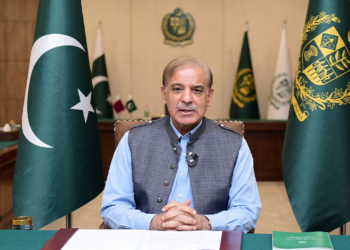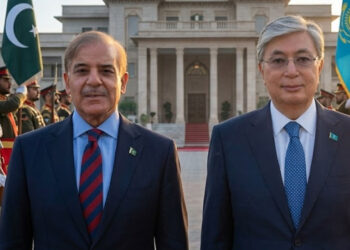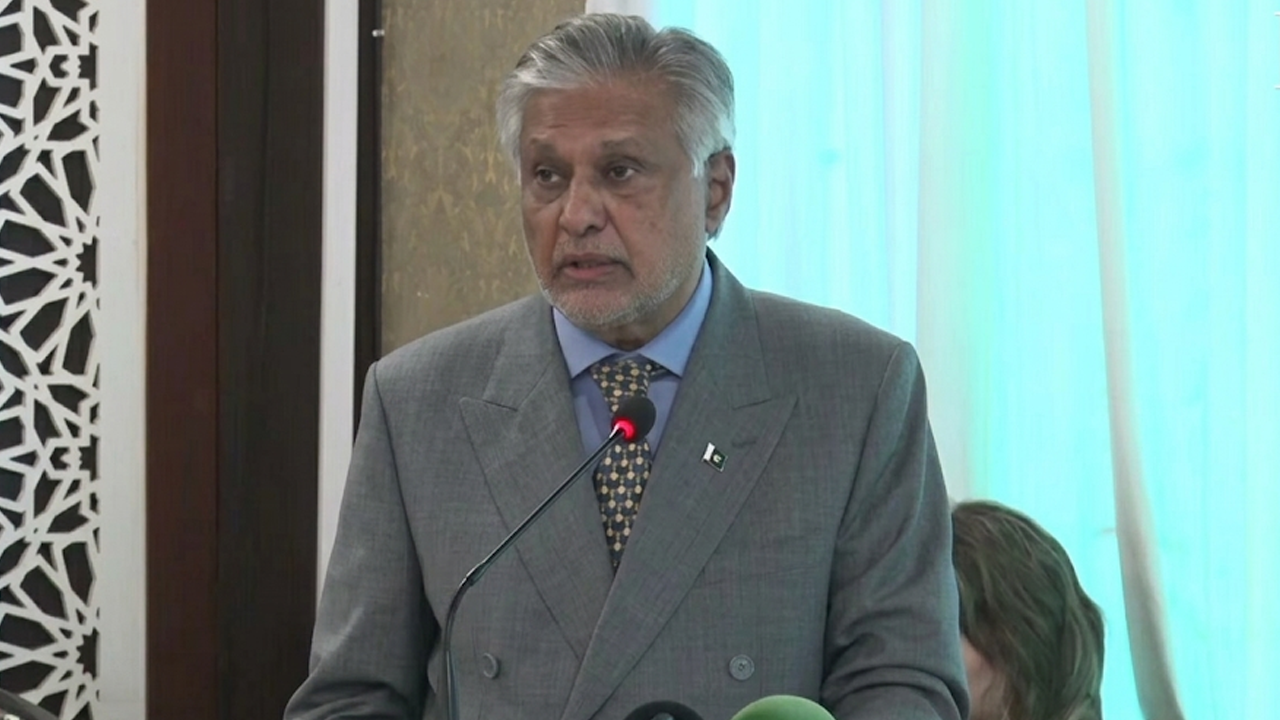
ISLAMABAD, July 29, 2026 — Deputy Prime Minister and Foreign Minister Ishaq Dar has expressed confidence that bilateral trade between Pakistan and the United States could grow to $20 billion over the next five years, highlighting expanding investment opportunities, economic reforms, and stronger business cooperation between the two countries.
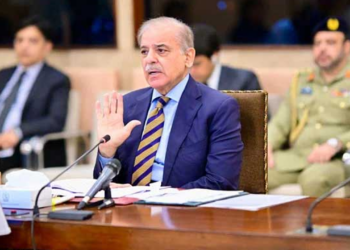
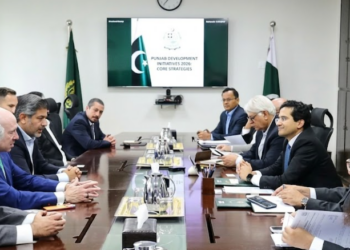
Speaking during a meeting with business representatives, Dar said Pakistan is working to create a more competitive and investor-friendly economy through structural reforms, improved regulations, and policies designed to encourage domestic and foreign investment. He also emphasized the importance of strengthening commercial partnerships with the United States, one of Pakistan’s key trading partners.
The remarks come as both countries continue exploring opportunities to expand trade, attract investment, and deepen cooperation across various sectors, including manufacturing, technology, agriculture, and services.
Strengthening Bilateral Trade
The United States has remained one of Pakistan’s largest export destinations for many years.
Trade between the two countries covers a wide range of products, including textiles, apparel, surgical instruments, sports goods, agricultural products, information technology services, and other manufactured items.
Increasing trade volumes could create new opportunities for exporters, manufacturers, and businesses while supporting economic growth and employment.
Industry experts believe stronger commercial relations can benefit both economies through increased investment and market access.
Investment Opportunities
According to government officials, Pakistan is continuing efforts to improve the investment climate by simplifying regulations, encouraging private-sector participation, and promoting economic reforms.
Policies aimed at improving transparency, digital governance, and ease of doing business are expected to make the country more attractive to international investors.
Officials also highlighted opportunities in energy, infrastructure, information technology, manufacturing, renewable energy, agriculture, and tourism.
Continued investment in these sectors could contribute to sustainable economic development.
Presence of US Companies
Dar noted that more than 80 American companies are currently operating in Pakistan across various industries.
These businesses contribute to employment, technology transfer, professional training, and economic activity while strengthening commercial ties between the two countries.
The continued presence of international companies reflects long-term business engagement and demonstrates confidence in Pakistan’s market potential.
Business leaders believe expanding investment partnerships can encourage innovation and improve competitiveness.
Economic Reforms Continue
The government has introduced several economic initiatives aimed at improving financial stability and supporting long-term growth.
These reforms include efforts to strengthen public institutions, encourage private investment, improve tax administration, modernize infrastructure, and promote exports.
Economic analysts note that policy consistency and regulatory transparency remain important factors for attracting long-term international investment.
A stable business environment often encourages companies to expand operations and undertake new projects.
Expanding Export Potential
Pakistan continues working to diversify its exports while improving the competitiveness of local industries.
Investment in manufacturing, technology, value-added products, and industrial modernization can help businesses reach new international markets.
Export growth not only generates foreign exchange earnings but also supports employment and industrial development across different sectors.
Government initiatives promoting innovation and productivity are expected to contribute to stronger export performance over time.
Role of Diplomatic Missions
Dar also emphasized that Pakistan’s embassy and consulates in the United States will continue supporting businesses and investors interested in expanding commercial cooperation.
Diplomatic missions frequently assist companies by facilitating business contacts, promoting investment opportunities, and providing information about trade regulations.
Such support helps strengthen economic partnerships while encouraging greater interaction between business communities in both countries.
Commercial diplomacy has become an increasingly important part of international economic relations.
Benefits of Higher Trade
Increasing bilateral trade offers potential benefits for businesses, consumers, and national economies.
Higher trade volumes can create employment opportunities, encourage technology transfer, improve industrial productivity, and increase access to international markets.
For businesses, stronger trade relationships provide opportunities to expand exports, diversify customer bases, and develop long-term partnerships.
Economists also note that diversified trade relationships contribute to greater economic resilience.
Looking Ahead
Business leaders and policymakers will continue monitoring opportunities to strengthen economic cooperation between Pakistan and the United States.
Future discussions are expected to focus on expanding investment, improving market access, supporting innovation, and encouraging private-sector collaboration.
If current reform efforts continue, analysts believe Pakistan could further strengthen its position as an attractive destination for international business and investment.
Continued engagement between governments and the private sector will remain important for achieving long-term trade objectives.
Conclusion
The government’s goal of increasing Pakistan-US trade to $20 billion within the next five years reflects broader efforts to strengthen economic cooperation, attract investment, and support sustainable growth. With ongoing reforms, expanding business opportunities, and continued collaboration between public and private sectors, Pakistan aims to enhance its role in international trade.
As both countries explore new commercial opportunities, stronger bilateral trade has the potential to benefit exporters, investors, businesses, and consumers while contributing to long-term economic development.