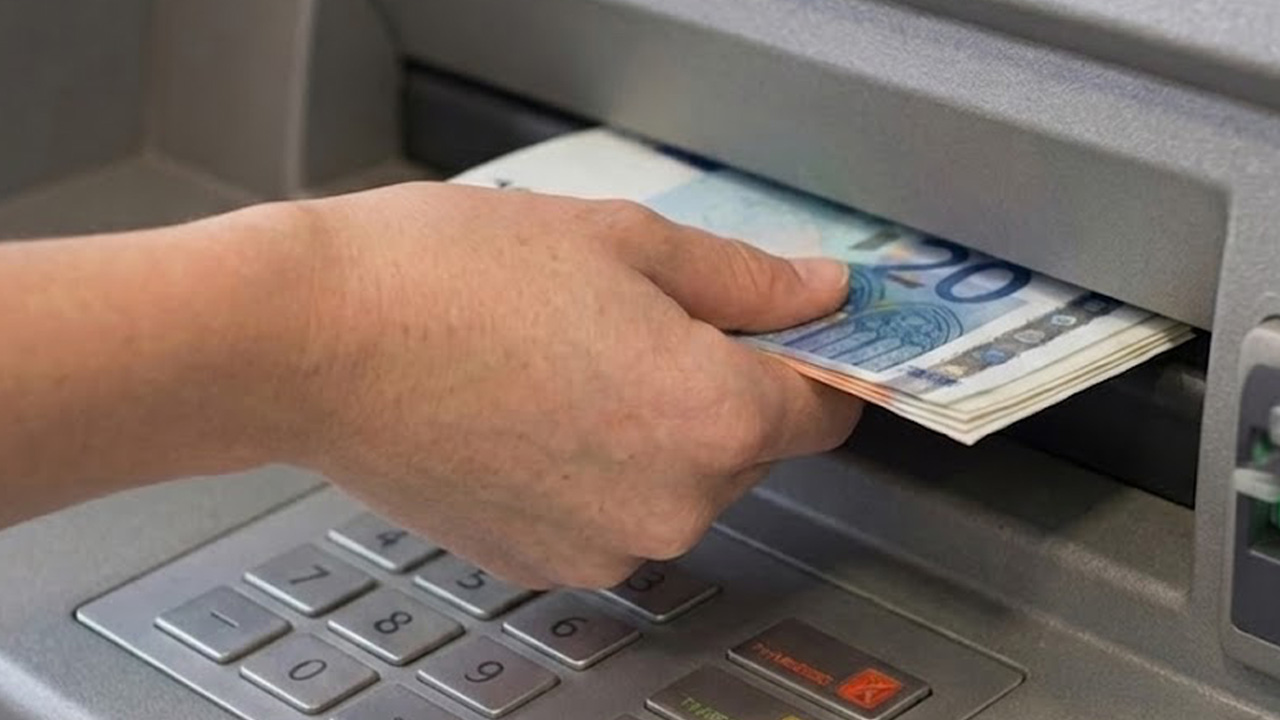
Pakistan’s ATM Transactions Surge 44% in Just 3 Months
ISLAMABAD — In a striking demonstration of rapid shift in consumer behavior and heightened liquidity demands, Pakistan has recorded an unprecedented 44% surge in Automated Teller Machine (ATM) transaction activity over the course of just three months. The latest figures released in quarterly payment systems data highlight an escalating rely on automated banking infrastructure across urban and rural centers alike, signaling both growing financial access and expanding cash circulation within the country’s economy.
A Quantum Leap in Transaction Volume
According to financial sector analysts and recent payment systems metrics, the volume and total monetary value processed through ATMs nationwide witnessed a steep upward trajectory during the most recent quarter. The steep 44% growth rate represents one of the sharpest quarterly spikes in automated banking history in the country.
The surge spans across multiple transaction categories, ranging from traditional cash withdrawals to inter-bank funds transfers (IBFT), utility bill payments, and balance inquiries. However, cash withdrawals continue to represent the overwhelming majority of total transaction value—a trend consistent with Pakistan’s predominantly cash-based retail ecosystem.
Financial experts attribute this sharp rise to a combination of factors, including:
Expanded Banking Access: Increased card issuance—specifically debit cards linked to newly opened accounts.
Economic Adjustments: Higher nominal transaction amounts driven by inflation and increased cost-of-living expenditures.
Seasonal Demand: Quarterly alignment with salary cycles, festive periods, and agricultural harvesting disbursements.
Improved Network Reliability: Modernization of switch networks and higher uptime maintained by major commercial banks.
Why Cash Remains Dominant Despite Digital Expansion
While Pakistan’s digital payment channels—such as mobile banking applications, Raast instant payments, and QR-code merchant systems—have seen record adoption, the 44% surge in ATM activity underscores a unique dual reality in the financial sector.
Digital payment tools are increasingly favored for peer-to-peer (P2P) transfers and online shopping, but daily commerce in local markets, public transport, grocery retail, and informal sectors remains deeply rooted in physical cash. As more unbanked citizens enter the formal financial system through simplified digital accounts and government welfare initiatives, their immediate interaction with formal banking often begins at the nearest ATM point.
“The spike in ATM usage isn’t an indicator of digital regression; rather, it highlights an expanding financial funnel,” noted a senior banking analyst in Karachi. “As millions of new users gain access to bank accounts and debit cards, their first point of liquidity access is the ATM. Cash and digital channels are growing in tandem as the overall pie of financially included citizens grows.”
Infrastructure Upgrades and Machine Capabilities
To keep pace with demand, commercial banks and payment switch providers have been actively upgrading their physical networks. Across the country, the total count of operational ATMs has steadily grown, supplemented by the deployment of Cash Deposit Machines (CDMs) and Multipurpose ATMs.
Key Technological Enhancements:
Biometric Verification: Widespread integration of NADRA-linked biometric scanners allowing cardless withdrawals and verified transactions.
Enhanced Switch Capacity: Upgraded national payment gateways ensuring fewer transaction failures during peak hours.
Smart Cash Management: Advanced cash-replenishment algorithms used by logistics companies to minimize machine downtime.
Anti-Skimming Security: Implementation of EMV chip compliance and physical security measures to safeguard user data.
Economic Implications for the Banking Sector
The sudden 44% increase in ATM traffic presents both opportunities and operational challenges for Pakistan’s financial institutions:
Operational Costs: Running a physical ATM network involves significant overhead, including electricity, security personnel, cash-in-transit (CIT) logistics, and maintenance. High volume strains machine hardware and requires more frequent cash replenishment runs.
Fee Structures & Interoperability: Increased cross-bank transactions test the operational efficiency of the 1Link network, requiring seamless backend settlement between issuing and acquiring banks.
Branch Unburdening: On the positive side, higher ATM utilization successfully diverts foot traffic away from physical bank branches, allowing branch staff to focus on higher-value financial advisory, lending, and corporate services.
The Road Ahead: Balancing Liquidity with Digitization
The State Bank of Pakistan (SBP) continues to champion a transition toward a less-cash economy through digital initiatives like Raast and merchant digitization campaigns. However, the latest ATM metrics demonstrate that physical cash infrastructure remains a vital lifeline for millions of household expenditures.
Moving forward, industry leaders expect banks to focus on hybrid solutions—expanding ATM coverage in underserved rural regions while simultaneously incentivizing digital point-of-sale (POS) merchant adoption.


Sindh Lithium Find Boosts Pakistan’s Strategic Mineral Goals
Central energy and mineral administrators have officially announced a massive structural breakthrough, confirming the successful discovery of high-grade critical minerals...