Structural Energy Reform and Distribution Licensing
In a highly aggressive maneuver to permanently restructure localized power logistics, central energy regulatory authorities have officially authorized a massive operational shift within the primary southern metropolitan hub.
Federal utility administrators formally granted a comprehensive, twenty-year electricity distribution and supply license to a newly capitalized private energy syndicate, explicitly designating it to operate across a highly critical, top-tier urban development zone.
This deeply calculated regulatory deployment immediately establishes the incoming corporate entity as the localized Supplier of Last Resort, strictly mandating its absolute responsibility to continuously maintain uninterrupted power flows across the designated operational territory.
By forcefully ending the previous single-provider framework, central planners are actively dismantling entrenched monopolistic architectures, actively setting a deeply structural precedent for future overarching energy infrastructure management.
This rigid administrative mandate perfectly aligns with overarching federal directives engineered to completely liberalize the complex national electricity market.
Market Liberalization and Competitive Logistics
At the absolute operational center of this high-stakes regulatory pivot is the aggressive structural separation of centralized supply and distribution functions.
The immediate integration of this new utility operator explicitly threatens the established commercial baseline of the incumbent regional energy provider, which previously maintained a massive, uncontested operational footprint across the highly lucrative and compliant demographic zone.
Current supply arrangements forcefully expire at the absolute end of the upcoming operational quarter, triggering a massive, heavily coordinated logistical handover between the incumbent entity and the newly licensed syndicate.
Central administrative planners strictly emphasize that this newly issued operational license remains fundamentally non-exclusive, actively inviting further top-tier competitive suppliers to rapidly deploy parallel commercial frameworks within the exact same structural territory.
This unyielding push toward a highly competitive, multi-tiered electricity matrix permanently shields the localized consumer base from structural stagnation, forcefully driving severe efficiency upgrades across the entire regional power grid.
Infrastructural Capacity and Operational Compliance
The flawless execution of this massive distribution handover is strictly predicated on the newly licensed entity’s highly advanced infrastructural capacity.
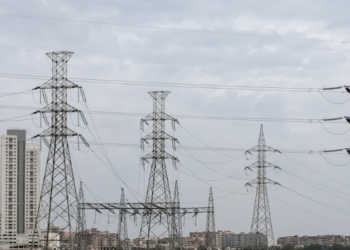
Federal regulators actively validated that the incoming corporate operator has already deployed massive capital to successfully finalize top-tier operational architecture, including advanced localized grid stations, high-capacity transmission lines, and deeply integrated distribution networks.
To completely ensure baseline macroeconomic stability, central authorities have explicitly mandated highly rigid compliance thresholds, forcefully requiring the new entity to rapidly submit a heavily structured tariff petition for absolute regulatory approval within an aggressively compressed ninety-day window.
The unyielding operational requirement to strictly adhere to centralized procurement regulations and top-tier performance standards is absolutely fundamental to preventing overarching localized grid failures or discriminatory supply practices.
By successfully engineering this heavily monitored, deeply competitive energy framework, central leadership actively ensures that the localized urban matrix remains fully mobilized and highly efficient.