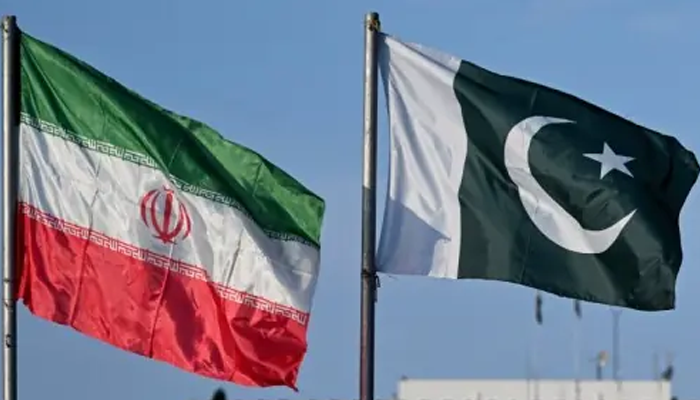
July 2026 — Fresh diplomatic efforts aimed at improving communication between the United States and Iran have attracted international attention, with reports suggesting that China has expressed support for renewed dialogue. While no major agreements have been announced, the latest developments indicate that several countries continue encouraging diplomatic engagement to reduce tensions and promote regional stability.
The renewed focus on communication comes at a time when governments around the world are emphasizing the importance of peaceful negotiations, economic cooperation, and international dialogue. Analysts believe that maintaining open channels of communication remains essential for addressing complex international challenges.
Although discussions are still at an early stage, the growing interest in diplomatic engagement highlights the value of cooperation over confrontation in today’s interconnected world.
Renewed Focus on Dialogue
Diplomatic relations often experience periods of progress followed by setbacks. However, many international observers agree that maintaining communication remains one of the most effective ways to resolve differences peacefully.
Recent reports suggest that efforts are being made to encourage greater dialogue between Washington and Tehran through diplomatic channels. While official details remain limited, the discussions have generated interest among policymakers and international analysts.
Constructive communication allows countries to better understand each other’s concerns while creating opportunities for future cooperation.
China’s Support for Diplomatic Engagement
China has consistently stated that dialogue and negotiation are the preferred methods for resolving international disputes.
According to recent reports, Beijing has welcomed renewed diplomatic engagement and encouraged peaceful communication between the parties involved. Chinese officials have frequently emphasized that long-term stability is best achieved through consultation, mutual respect, and cooperation.
As one of the world’s largest economies and an important global diplomatic player, China often supports initiatives aimed at reducing international tensions through peaceful means.
Why Diplomacy Matters
Diplomacy plays an essential role in international relations.
Countries regularly engage in negotiations to discuss trade, security, economic development, environmental cooperation, and cultural exchanges. Even when disagreements exist, maintaining communication helps prevent misunderstandings and creates opportunities for practical solutions.
Experts note that successful diplomacy requires patience, trust-building, and a willingness to continue discussions over an extended period.
Many historic international agreements have been achieved only after years of continuous negotiations.
Economic Importance
Improved diplomatic relations can positively influence global economic confidence.
Stable international relationships often encourage investment, strengthen trade partnerships, and improve business cooperation between countries. Financial markets also tend to respond positively when geopolitical uncertainty decreases.
Businesses around the world closely monitor diplomatic developments because international stability supports long-term economic planning and investment decisions.
While diplomacy alone cannot solve every challenge, it frequently creates a more predictable environment for global commerce.
Regional Stability
The Middle East remains an important region for international trade, energy markets, and economic development.
Many governments believe that continued dialogue contributes to regional stability by encouraging cooperation instead of confrontation. Peaceful diplomatic engagement also helps support economic growth, tourism, and international investment across the region.
International organizations have repeatedly encouraged countries to prioritize communication and confidence-building measures whenever possible.
International Response
Governments from different regions continue expressing support for diplomatic solutions to international challenges.
Many countries believe that constructive engagement offers greater long-term benefits than prolonged political disagreements. As a result, international cooperation remains an important priority in addressing complex global issues.
Policy experts also emphasize that diplomacy allows governments to exchange ideas, identify shared interests, and develop mutually beneficial solutions over time.
Challenges Ahead
Despite renewed optimism, rebuilding diplomatic relationships often requires considerable effort.
Differences in policy priorities, historical experiences, and strategic interests can make negotiations complex. Progress is rarely immediate, and meaningful agreements typically develop through multiple rounds of discussions.
However, analysts believe that continued communication itself represents positive progress because it keeps opportunities for future cooperation open.
Maintaining dialogue helps reduce uncertainty and strengthens international understanding.
The Role of International Partners
Countries that maintain constructive relationships with multiple governments sometimes encourage communication between different parties.
Such diplomatic support does not necessarily involve formal mediation but may help create an environment where discussions can continue more effectively.
International cooperation remains an important part of addressing shared global challenges, including economic development, climate issues, public health, and regional stability.
Collaborative diplomacy benefits not only individual countries but also the wider international community.
Looking Ahead
Observers expect diplomatic contacts to continue in the coming months as governments evaluate opportunities for further engagement.
Although no major policy changes have been announced, the willingness to continue communication is viewed positively by many analysts.
Future discussions may focus on areas where practical cooperation is possible while gradually building confidence through regular diplomatic exchanges.
Patience and sustained dialogue are expected to remain important components of any long-term diplomatic progress.
Conclusion
The latest efforts to improve communication between the United States and Iran, with reported encouragement from China, demonstrate the continuing importance of diplomacy in international relations. While significant challenges remain, renewed dialogue reflects a shared recognition that peaceful engagement offers the best opportunity for long-term stability and cooperation.
As international attention remains focused on future developments, governments and observers alike will continue watching how diplomatic discussions evolve in the months ahead. Continued communication, mutual respect, and constructive engagement are likely to remain central themes in efforts to strengthen international understanding.