Ahsan Iqbal Urges Major Investment to Modernize Pakistan Railways
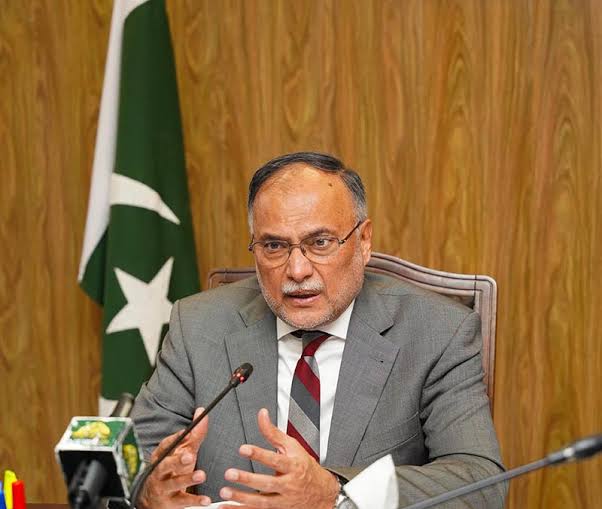
Federal Minister for Planning, Development and Special Initiatives Ahsan Iqbal has called for substantial investment in Pakistan’s railway sector, saying a modern rail network is essential for boosting economic growth, improving trade, and strengthening regional connectivity.
Speaking at a railway development conference, Iqbal stressed that upgrading Pakistan Railways should become a national priority. He said an efficient rail system would reduce transportation costs, improve logistics, support industrial expansion, and make Pakistan more competitive in regional and international markets.
According to the minister, the country has made progress toward economic stability and must now focus on long-term infrastructure projects that can generate sustainable growth. He noted that modern railway systems have played a vital role in the economic success of many developed nations and said Pakistan should follow a similar path.
Iqbal highlighted that investment in rail infrastructure would benefit both passengers and businesses. Improved freight services would help industries transport goods more efficiently, while upgraded passenger services would provide safer, faster, and more reliable travel across the country.
The government is continuing work on several major railway projects, including the modernization of the Main Line-1 (ML-1) railway corridor, improvements to freight operations, station redevelopment, and the introduction of advanced signaling and digital systems. These initiatives are expected to enhance efficiency, increase rail capacity, and improve overall service quality.
He also emphasized the importance of Pakistan’s strategic location, saying a stronger railway network could improve trade links with neighboring countries and support regional connectivity through projects such as the China-Pakistan Economic Corridor (CPEC). Better rail infrastructure would allow goods to move more efficiently between ports, industrial zones, and border crossings, helping strengthen Pakistan’s position as a regional trade hub.
The minister encouraged greater cooperation between the public and private sectors, stating that long-term infrastructure development requires both government support and private investment. Public-private partnerships, international financing, and modern project management would help accelerate railway modernization while ensuring sustainable growth.
Industry experts have long argued that Pakistan Railways requires significant investment to improve operational efficiency, reduce delays, modernize aging infrastructure, and increase freight capacity. A stronger railway system could also reduce pressure on road networks, lower fuel consumption, and provide a more environmentally sustainable transportation option.
Iqbal said investing in railways is not simply about improving transportation but about creating opportunities for economic development, attracting investment, generating employment, and supporting industrial growth. He added that reliable transport infrastructure remains one of the key factors considered by both domestic and foreign investors when making business decisions.
He concluded that Pakistan must continue investing in strategic infrastructure if it wants to achieve long-term economic prosperity. Modern railways, he said, will improve national connectivity, strengthen trade, enhance logistics, and contribute to sustainable economic development for years to come.