Pakistani Rupee Holds Steady Against Dollar as Yen Slides to Near Four-Decade Low
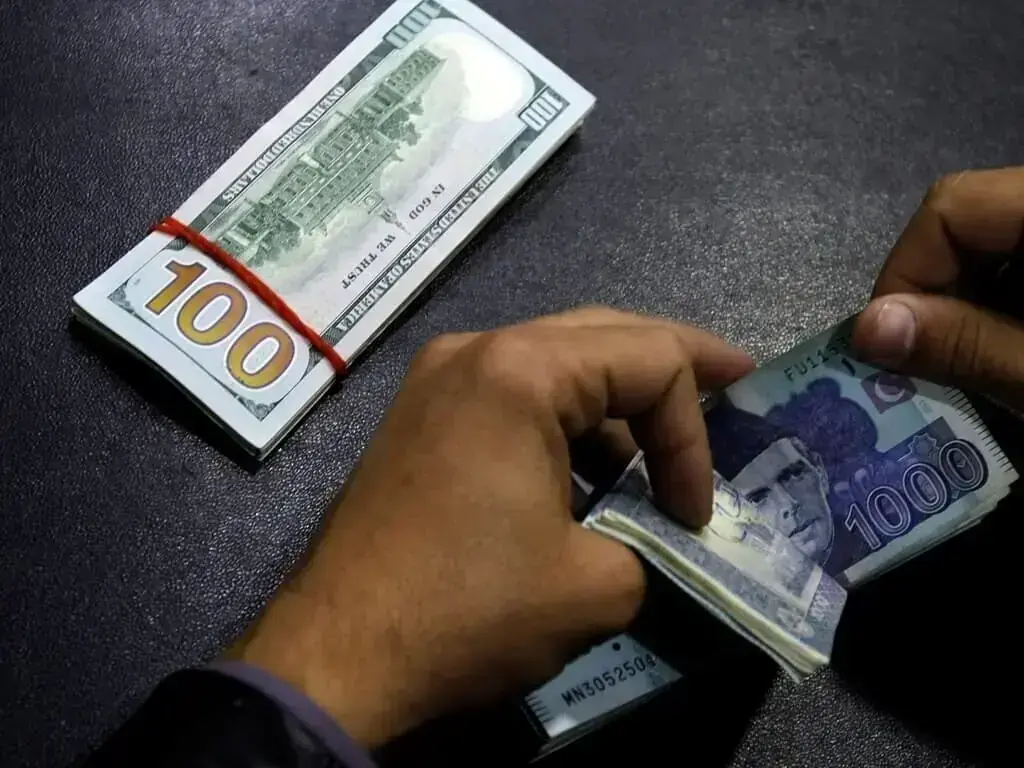
The Pakistani rupee extended its gains against the US dollar on Wednesday, closing the day at 277.91, a modest gain of Re0.01 against the greenback. This follows Tuesday’s close of 277.92, meaning the rupee has now held remarkably steady over the past two trading sessions despite considerable turbulence playing out across global currency markets.
A Historic Slide for the Yen
While Pakistan’s currency showed stability, the same could not be said for Japan’s yen, which was pinned near an almost four-decade low on Wednesday. Rising oil prices combined with climbing US Treasury yields pushed the dollar higher broadly, leaving currency traders on edge about the possibility of Japanese central bank intervention to stem the yen’s slide, a scenario that would mark a significant escalation in how Tokyo responds to sustained currency weakness.
The dollar’s overnight strength wasn’t confined to its performance against the yen either. It briefly pushed the euro just below the $1.14 mark, holding its ground even as US forces began an eleventh consecutive night of strikes on Iran, a scale of sustained military action that continues to ripple through global financial markets in ways that show little sign of abating.
Other Major Currencies Under Pressure Too
The euro was last trading at $1.1401, while the Australian dollar clung to the 70-cent level and the New Zealand dollar sat just above its 200-day moving average of $0.5825, both currencies showing the kind of defensive positioning typical of periods when global risk sentiment turns cautious.
The British pound faced its own test of support, falling through its 200-day moving average to $1.3385, with traders closely watching how the UK’s new finance minister plans to fund government spending, an added layer of uncertainty for a currency already navigating a broader wave of dollar strength.
Oil Prices Continue Climbing
Underscoring much of this currency market movement, oil prices inched higher again in early Wednesday trading. Brent crude futures rose 0.55 percent, gaining 50 cents to reach $91.51, while US West Texas Intermediate crude climbed 0.36 percent, adding 30 cents to trade at $84.64, moves that came in relatively low trading volume but nonetheless extended the broader upward trajectory oil prices have followed throughout the ongoing Middle East conflict.
Why the Rupee’s Stability Stands Out
Against this backdrop of a broadly strengthening dollar, a slumping yen, and pressured sterling and euro, the Pakistani rupee’s ability to hold essentially flat, and even register a marginal gain, over the past two sessions is worth noting. Emerging market currencies typically face outsized pressure during periods when the dollar strengthens broadly and global risk appetite deteriorates, as capital tends to flow toward the perceived safety of dollar-denominated assets during such episodes.
That the rupee has managed to avoid the kind of sharp depreciation seen in currencies like the yen and sterling suggests that domestic factors, whether steady remittance inflows, external financing support from partners like Saudi Arabia and China, or active management by the State Bank of Pakistan, are currently helping offset the broader wave of dollar strength moving through global currency markets.
The Oil Price Dilemma for Pakistan
That said, the same rising oil prices that are contributing to the dollar’s broader strength also pose a direct challenge for Pakistan specifically. As a country that imports the vast majority of its petroleum needs, sustained increases in Brent and WTI crude prices translate fairly directly into a larger import bill, adding pressure on the same foreign exchange reserves that have helped keep the rupee stable so far. With Brent now trading above $91 a barrel and continuing to climb amid the ongoing US-Iran conflict, this pressure is unlikely to ease anytime soon.
A Delicate Balance Going Forward
Taken together, Wednesday’s currency market snapshot illustrates just how interconnected global financial markets have become during this period of heightened Middle East tensions. Rising oil prices are simultaneously strengthening the dollar globally, pressuring currencies like the yen and pound, and adding import-cost strain on oil-dependent economies like Pakistan, all from the same underlying geopolitical driver.
Looking Ahead
Whether the rupee can continue holding its ground will likely depend on how these competing pressures evolve in the days ahead. If oil prices continue climbing and the dollar’s broader strength persists, Pakistan’s external account position could face growing strain even as the rupee has, for now, avoided the sharper declines seen in some other major currencies. Much will depend on how the US-Iran conflict develops from here, and whether global markets see any signs of the kind of de-escalation that could ease pressure across currency and commodity markets simultaneously.