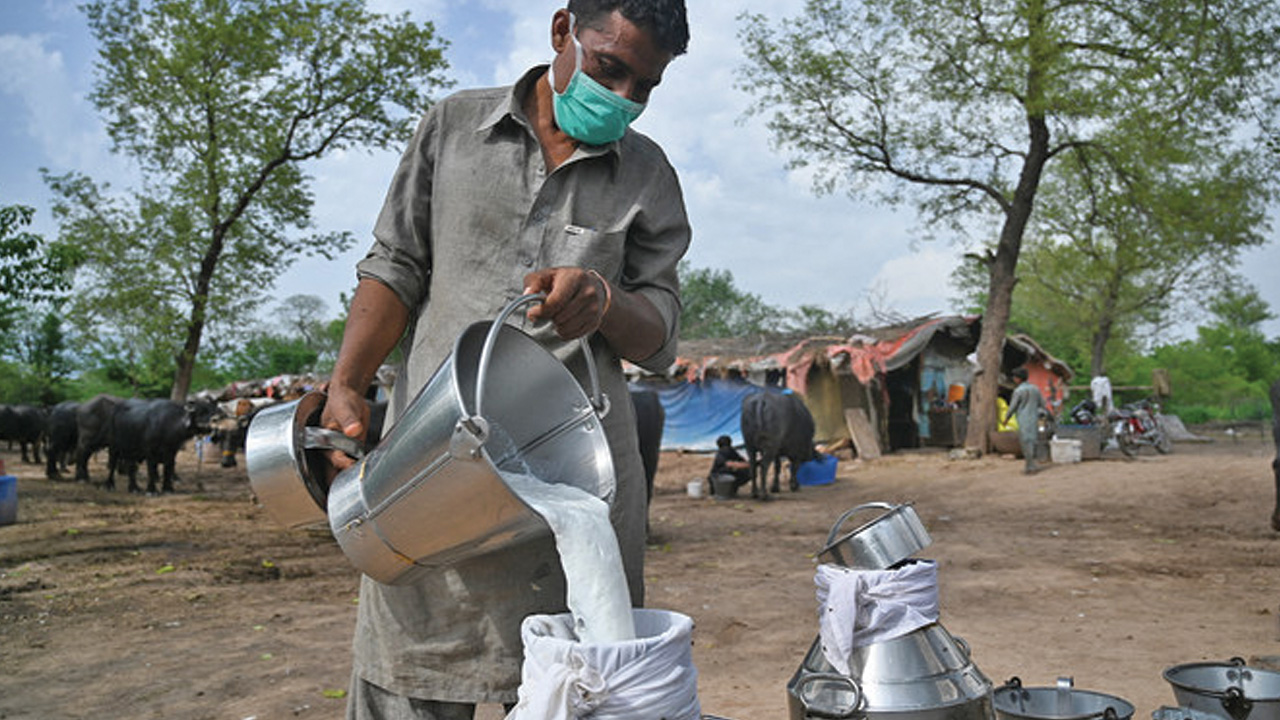
KARACHI — The urban dairy sector in Karachi is facing severe operational distress following a sudden halt in the supply of green fodder and essential feed from rural Sindh and Punjab, raising concerns over an imminent drop in daily milk yields and potential retail price hikes across the metropolis.
Major dairy colonies—including Bhains Colony (Landhi), Nagori Society, and Surjani Town—report that incoming shipments of fodder crops, such as Rhodes grass, corn, and lucerne, have dropped sharply over recent days due to inter-provincial transport bottlenecks, fuel cost spikes, and distribution disruptions.
Key Drivers of the Fodder Crisis
Transport & Logistics Bottlenecks: Supply chains connecting interior Sindh and Punjab’s agricultural belts to Karachi’s peri-urban cattle colonies have experienced heavy delays, leaving hundreds of fodder-laden trucks stranded or delayed.
Rising Feed and Commodity Costs: In addition to fresh fodder shortages, the prices of dry feed, concentrated oil cakes (Khal), and wheat straw (Bhoosa) have surged, drastically inflating the daily maintenance cost per animal.
Impact on Milk Production: Dairy farmers warn that a lack of fresh, high-nutrient green fodder directly compromises animal health and yields, threatening a notable contraction in the city’s daily milk supply.
Dairy Farmers Sound the Alarm
Dairy farm operators in Landhi Bhains Colony—which houses hundreds of thousands of cattle providing the bulk of Karachi’s fresh milk—have called on provincial authorities and municipal administrations to intervene immediately to restore supply lines.
Industry Warning: “Cattle require a consistent daily intake of fresh green fodder to maintain yield levels. A supply halt forces farmers to rely on expensive dry feed alternatives, which not only strains financial margins but also leads to a sharp decline in milk output within days,” stated a senior representative of the Dairy Cattle Farmers Association.
Consumer Impact & Market Outlook
The interruption in fodder supply comes at a time when city authorities are attempting to strictly enforce official retail price caps on fresh milk.
Price Pressures: Farmers caution that if feed costs remain elevated and supply chains are not cleared swiftly, retail vendors may struggle to absorb operational losses, leading to supply deficits or localized price increases across urban markets.
Call for Government Action: Representatives from the livestock and agricultural sectors have urged the Sindh Government and transport authorities to designate fodder transport as an essential service to ensure uninterrupted movement into municipal boundaries.
Without immediate regulatory relief and restored transportation corridors, Karachi’s fresh milk ecosystem risks prolonged volatility, impacting millions of households relying on daily dairy supplies.