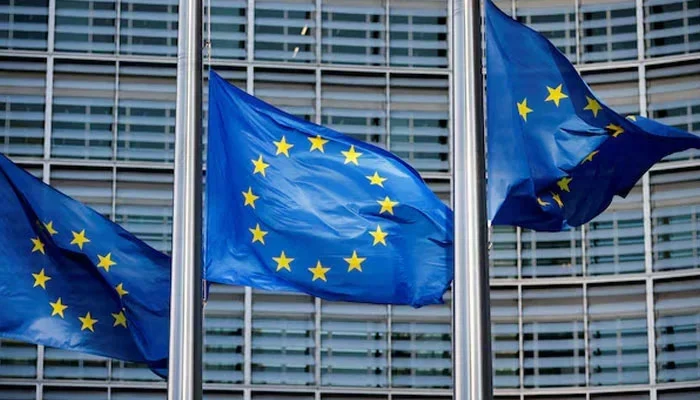
Pakistan remained the largest beneficiary of the European Union’s Generalised Scheme of Preferences Plus (GSP+) in 2024, recording €7.5 billion in exports eligible for the programme, according to an EU report released on Thursday.
Pakistan has benefited from the GSP+ arrangement since 2014. The report estimated that the country secured €732 million in tariff exemptions in 2024, while the EU accounted for 28% of Pakistan’s total exports.
Textiles and clothing represented roughly 70–76% of Pakistan’s exports to the EU during the year. The sectors benefiting most from GSP+ preferences were clothing, textiles, leather and fur articles, prepared foods and beverages, and miscellaneous manufactures (S-20).
According to the report, these sectors continued to dominate Pakistan’s GSP+ export basket to the EU and support its comparative advantage in labour-intensive manufacturing exports.
“Clothing accounts for a large share of total exports and GSP+ preference utilisation (95.3 %), underscoring Pakistan’s dependence on preferential market access for these products in its EU trade.”
The five leading export sectors to the EU recorded preference utilisation rates ranging from 93.6% to 97.7% in 2024. The report said the high concentration of Pakistan’s EU exports left its trade performance exposed to sector-specific shocks, including energy prices, compliance costs and demand cycles.
The European Commission said Pakistan had maintained ratification of all 27 international conventions linked to the GSP+ framework and continued regular engagement with the EU’s monitoring mechanism.
The report highlighted several institutional and legislative developments. These included the National Commission for Human Rights obtaining global “A” status and legislation to establish the National Commission for Minorities, which the report described as an important step towards protecting minorities.
It also recognised implementation rules for the anti-torture law, associated training initiatives and prison reforms. New legislation intended to strengthen protections for women, combat domestic violence and address child marriage was also noted.
The commission praised Pakistan’s efforts to protect workers’ rights, prevent forced labour and eliminate child labour. It also acknowledged the country’s climate policy, carbon market guidelines and biodiversity initiatives, while describing new anti-narcotics laws and the introduction of a digital case management system as positive developments.
The report reaffirmed the EU’s commitment to providing €400 million in development and reform support to Pakistan, highlighting continued cooperation under the GSP+ framework.
The findings follow remarks made months earlier by EU Ambassador to Pakistan Raimundas Karoblis, who reaffirmed the bloc’s support for the continuation of Pakistan’s GSP+ trade preferences.
Speaking at a Europe Day reception in May, Karoblis described Pakistan as an important economic and strategic partner of the European Union and pledged close cooperation with Islamabad to help secure the arrangement’s continuation.
Karoblis said the EU, as Pakistan’s largest trading partner and leading export destination, remained committed to strengthening bilateral ties, creating jobs, driving innovation and supporting sustainable growth.
He also emphasised international cooperation in tackling shared challenges, including climate change, technological transformation and democratic pressures, saying the EU and Pakistan were working together in climate adaptation, education and economic cooperation.