WASHINGTON: Saudi Arabia has pledged an additional $3 billion in deposits for Pakistan and extended its existing $5 billion facility for three more years, Finance Minister Muhammad Aurangzeb announced during the World Bank–IMF Spring Meetings 2026. The support comes at a crucial time as Pakistan prepares to repay a $3.5 billion loan to the UAE, a move expected to put pressure on foreign exchange reserves.
Aurangzeb said the extended Saudi facility would no longer follow the previous annual rollover structure, providing greater stability to Pakistan’s external financing position. He emphasized that the financial support would help strengthen reserves and support the country’s external account, while reaffirming the government’s target of building reserves to around $18 billion by the end of the fiscal year.
Highlighting recent developments, the minister noted that Pakistan had successfully repaid $1.4 billion in debt, including a Eurobond, and remains committed to meeting all future external obligations on time. He added that the country’s financing strategy is being executed in a disciplined and structured manner.
Saudi Arabia Announces USD 3 Billion Additional Support, Extends USD 5 Billion Deposit: Finance Minister
— Ministry of Finance, Government of Pakistan (@Financegovpk) April 15, 2026
Federal Minister for Finance and Revenue, Senator Muhammad Aurangzeb, has informed that the Kingdom of Saudi Arabia has committed USD 3 billion in additional deposits, with… pic.twitter.com/E8dXPg6g9Y
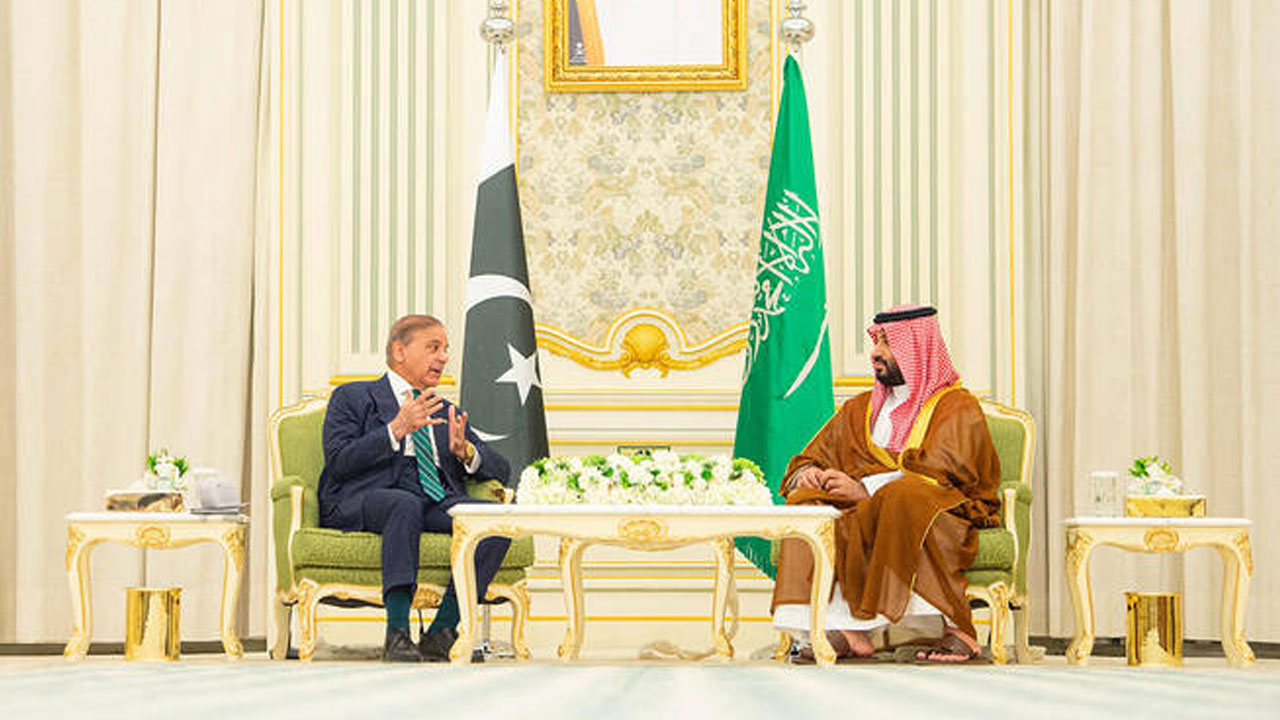
Aurangzeb also shared details of his recent meeting with Saudi Finance Minister Mohammed bin Abdullah al Jadaan, attended by key Pakistani officials, and expressed gratitude to Saudi leadership, particularly Crown Prince Mohammed bin Salman, for their continued support. He acknowledged the efforts of Pakistan’s political and economic leadership in securing the package.
The finance minister noted improving international sentiment toward Pakistan, with appreciation from global financial institutions and investors, as well as recognition of the country’s diplomatic role in facilitating dialogue in the Middle East. This, along with Saudi backing, has boosted confidence in Pakistan’s economic outlook.
He further stated that Pakistan is advancing its broader financing plans, including the Global Medium-Term Note (GMTN) programme and its first-ever Panda bond issuance. While reserves currently cover around 2.8 months of imports, the government aims to maintain this level to ensure macroeconomic stability.
Aurangzeb added that Pakistan is exploring additional funding avenues such as Eurobonds, Islamic sukuk, and commercial loans, and may consider adjustments to its $7 billion IMF programme depending on evolving global conditions. He reaffirmed the government’s commitment to economic reforms, fiscal discipline, and continued engagement with international partners.