TORONTO — Canada’s Barrick Mining is weighing a major corporate restructuring that could see the company split into two separate entities—one focused on North America and the other on Africa and Asia—according to multiple sources familiar with internal discussions.
The potential restructuring could also involve the sale of key international assets, including Barrick’s African mining operations and Pakistan’s Reko Diq copper-gold project, after its financing phase is complete. Sources claim this move is part of a broader strategy to streamline operations, reduce geopolitical risk, and boost shareholder value.
Africa Assets and Mali Dispute
Before any sale can occur, Barrick aims to resolve its dispute with Mali’s military government regarding the Loulo-Gounkoto complex—once its most profitable mine. The dispute has already led to the seizure of 3 metric tons of gold, the appointment of a provisional administrator, and the detention of four Barrick employees.
The Mali conflict significantly impacted earnings in 2024, resulting in a $1 billion write-off. Analysts say the geopolitical instability of Barrick’s international assets has long weighed on its valuation.
Reko Diq Sale Under Consideration
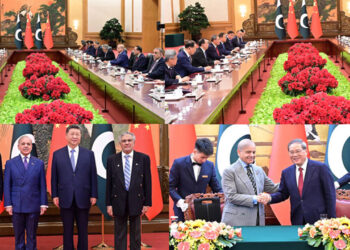
The possible sale of the Reko Diq mine in Pakistan—one of the world’s largest untapped copper-gold deposits—is reportedly being explored. Prime Minister Shehbaz Sharif recently praised the project as a catalyst for Pakistan-Canada relations and economic development.
Reko Diq is expected to move into its financing phase soon, which could make it more attractive to potential buyers.
Return to a North America-Focused Strategy
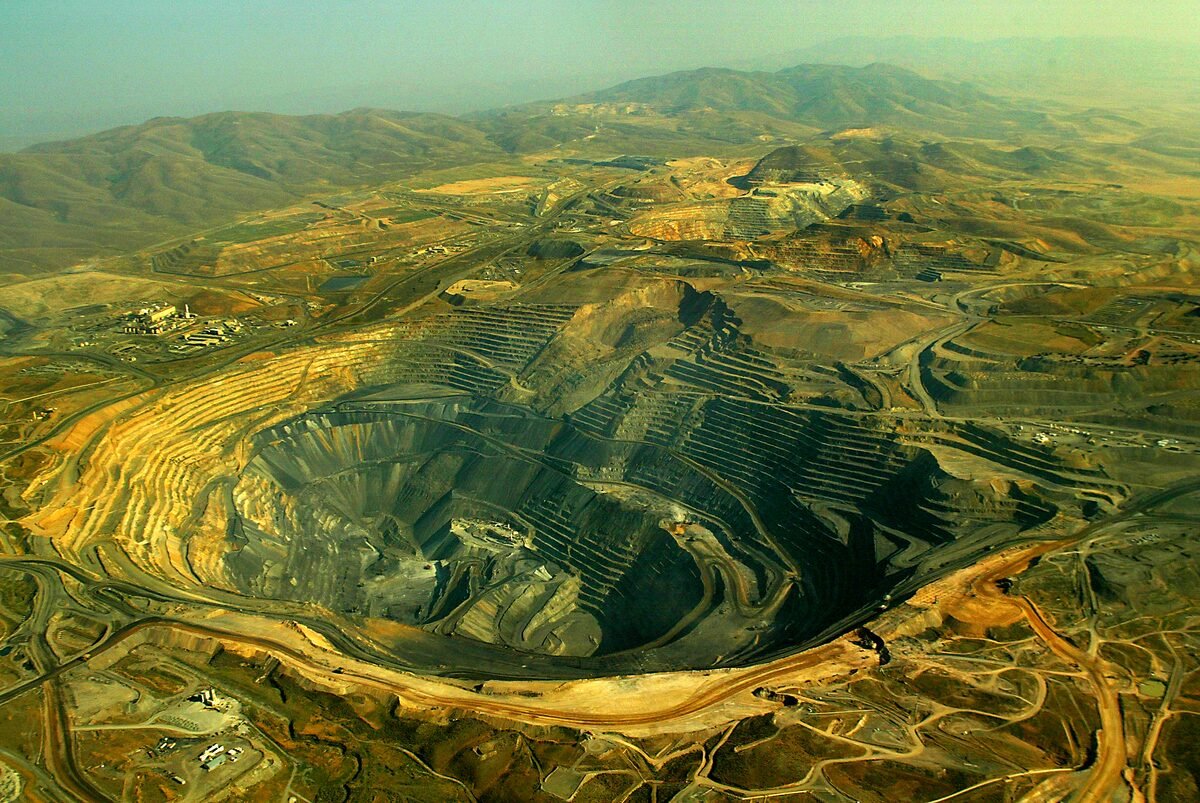
A split would reverse Barrick’s 2019 merger with Randgold, shedding many of the assets acquired under former CEO Mark Bristow. Interim CEO Mark Hill has hinted at narrowing Barrick’s focus to North America, particularly Nevada’s massive Fourmile gold deposit.
Fourmile’s test production is expected in 2029, and analysts say the project alone could become one of the world’s largest-capitalised gold mining companies if publicly listed.
Following Reuters’ report on the potential split, Barrick’s shares rose 3% on the Toronto Stock Exchange.
Investor Pressure Mounts
Investors have long argued that Barrick is undervalued despite a 130% surge in share price this year. Over the past five years, Barrick gained only 52%, compared to competitor Agnico Eagle’s 142%.
Shareholders have urged the company to separate its stable North American assets from riskier mines in Africa, Papua New Guinea, and Pakistan. They argue that geopolitical volatility continues to suppress Barrick’s full market potential.
Global Operations
Beyond Nevada and Mali, Barrick operates copper mines in the Democratic Republic of Congo and gold projects in Tanzania, Papua New Guinea, and the Dominican Republic.
Although the company has historically resisted splitting, sources say talks are progressing—though no final decision has been made.