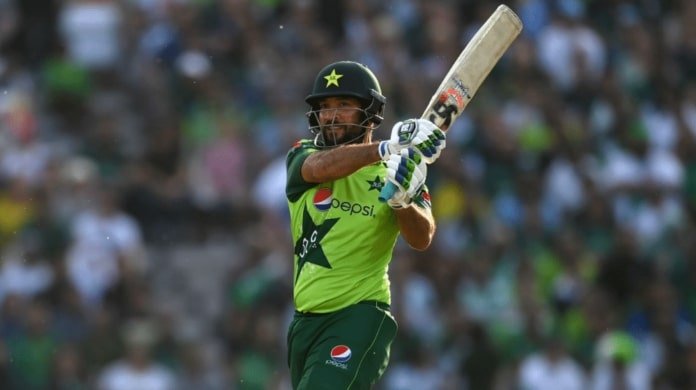
Pakistan national cricketer Sohaib Maqsood has come forward with serious allegations of fraud. He accuses a car showroom owner in Multan of deceiving him in a deal valued at approximately Rs 14 million (Rs 1.4 crore). According to Maqsood’s social-media posts, the showroom sold his vehicle—still legally in his name—without his consent and without obtaining the original documents.
He claimed that in return, the dealer handed him a different vehicle with fake paperwork and charged an additional Rs 7 million on top of the alleged sale. Maqsood further revealed that after nearly eight months, he found his original car parked at a private residence in Lahore. When he confronted the individual in possession of the vehicle, the person reportedly responded that even the police could not repossess it.
In his appeal, Maqsood urged the Punjab government—especially Chief Minister Maryam Nawaz—the Punjab Police, and other authorities to launch a full investigation and hold the culprits accountable. He stressed that ordinary citizens may be at even greater risk if a national athlete could fall prey to such a scam. Social-media users echoed his concerns and called for swift action against those involved in the auto-fraud network.
This case highlights the vulnerabilities within the high-value used-car market in Pakistan—especially regarding document transfers and ownership verification—and raises wider questions about consumer protection, regulatory oversight, and accountability in vehicle-dealership transactions.