Pakistan’s export performance declined during the first quarter (July–September) of FY2025, falling 3.88% year-on-year to $7.59 billion, according to data from the Pakistan Bureau of Statistics (PBS). The $307 million drop highlights mixed trends across major sectors, with gains in textiles, leather, and industrial goods countered by sharp losses in food, chemicals, and energy-related exports.
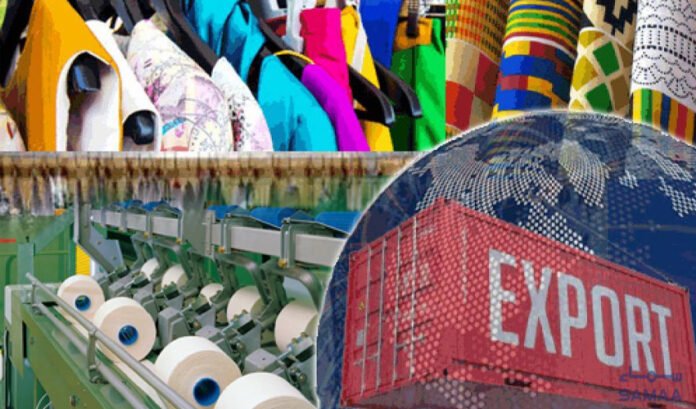
The textile sector — Pakistan’s largest export driver — recorded a 5.63% rise, reaching $4.77 billion in Q1. However, September saw a 2% month-on-month decline, totaling $1.57 billion. Industry experts attributed this slowdown to expensive cotton, high energy costs, and reduced global orders. Cotton cloth and towel exports fell by 25.32% and 5.02%, respectively, while knitwear and ready-made garments remained strong.
Food exports experienced the steepest decline, dropping 31.42% to $1.10 billion, with rice, sugar, vegetables, and spices showing significant reductions. In contrast, exports of fish, fruits, and meat rose slightly, reflecting demand shifts.
Industrial goods performed relatively better, with surgical instrument exports up 1.52% and leather goods up 1.46%. Sports goods — especially footballs — also saw steady growth. Auto parts exports increased 16%, while cement exports surged 51.86% to $99 million, showing renewed international demand.
However, exports of chemicals and petroleum products fell by 18% and 26.6%, respectively, amid declining global prices and domestic production challenges.
Industry stakeholders have urged the government to ensure competitive energy tariffs and address supply chain bottlenecks to prevent further export declines. The textile and food sectors, in particular, face mounting pressure from high input costs and weak foreign demand, underscoring the need for stronger trade support policies and export diversification.