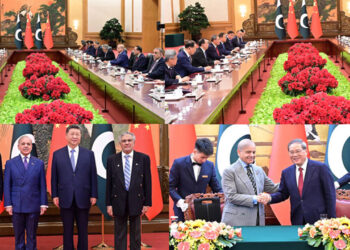
In a historic development, Pakistan is set to import its first-ever shipment of U.S. crude oil following a landmark trade agreement with the United States. Cnergyico, the country’s largest oil refiner, will bring in 1 million barrels of West Texas Intermediate (WTI) light crude from energy trader Vitol in October 2025, according to the company’s Vice Chairman Usama Qureshi.
The crude will be loaded from Houston later this month and is expected to arrive at Karachi’s port in the second half of October. “This is a test spot cargo under our umbrella term agreement with Vitol. If it proves commercially viable, we may continue with monthly shipments,” Qureshi told Reuters. He also clarified that the shipment is strictly for domestic processing and not resale.
The deal was finalized after several months of negotiation that began in April, following U.S. President Donald Trump’s threat to impose a 29% tariff on Pakistani imports. However, the final agreement, announced on Thursday, reduced the tariff to 19%, paving the way for enhanced trade and investment cooperation between the two countries.
The U.S. has long been Pakistan’s top export market, and this agreement signals a renewed bilateral engagement. Pakistani officials have acknowledged U.S. diplomatic efforts in resolving tensions with India and even nominated President Trump for a Nobel Peace Prize for his role.
This new crude import strategy will help Pakistan diversify its energy sources, currently dominated by suppliers from the Gulf. With oil being Pakistan’s largest import category — totaling $11.3 billion in FY2024–25 — the move is seen as a key step in reducing reliance on Middle Eastern oil.
Qureshi noted that the gross refining margins of WTI crude are comparable to Gulf grades, and Cnergyico’s refinery requires no modifications to handle it. The refinery, with a capacity of 156,000 barrels per day, also operates Pakistan’s only Single Point Mooring terminal, allowing it to manage large tankers, unlike other local refiners.
Looking ahead, Cnergyico plans to add a second offshore terminal and upgrade its refining facilities over the next five to six years. The company is optimistic about increasing run rates, which currently range between 30% and 35%, as domestic fuel demand rebounds.
President Trump, while commenting on the trade deal, also hinted at potential U.S. cooperation in exploring Pakistan’s vast untapped oil reserves — a move that could significantly boost the South Asian country’s energy security and economy.