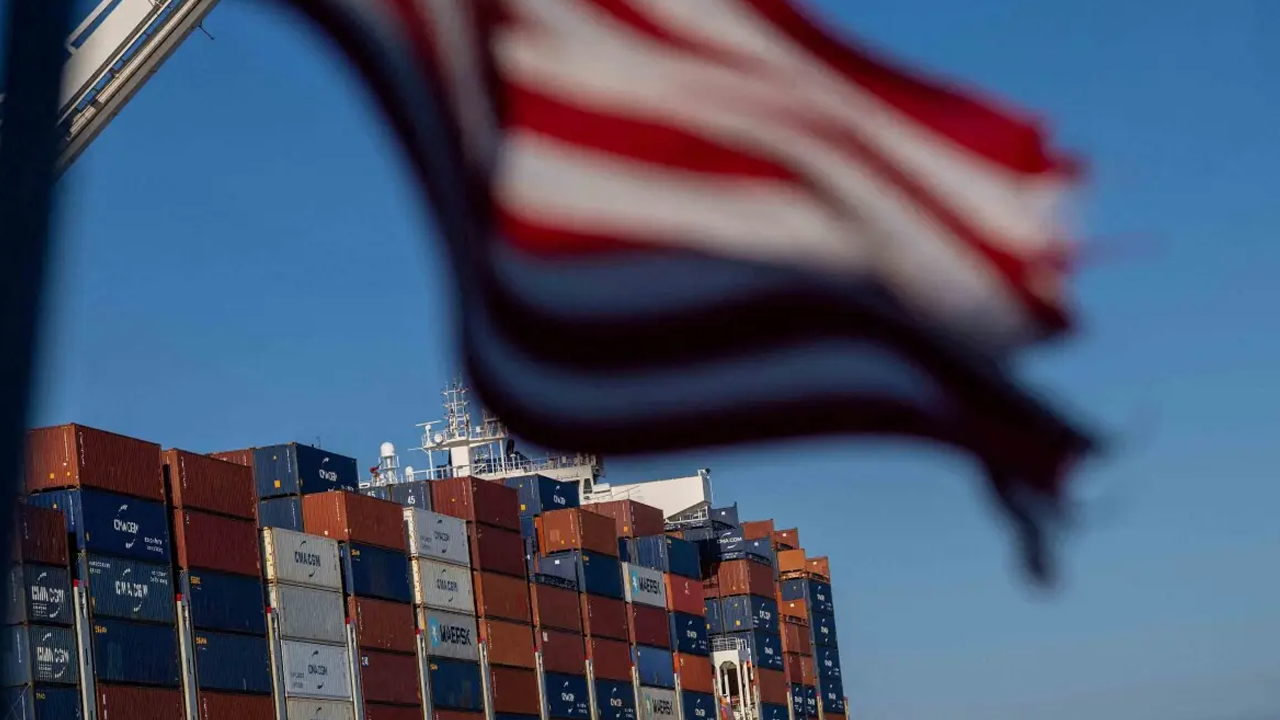
July 2026 — The United States has announced a new trade policy introducing tariffs on imports from 60 trading partners, including Pakistan, under measures linked to concerns about forced labour in global supply chains. The move is part of Washington’s broader effort to encourage responsible sourcing practices and strengthen transparency in international trade.
The new policy is expected to affect a range of imported products from countries included in the latest announcement. Businesses, exporters, and trade analysts are now assessing how the decision could influence international commerce, supply chains, and future trade relations.
For Pakistan, the announcement comes as exporters continue working to expand access to global markets while improving manufacturing standards and meeting international compliance requirements.
Understanding the New Tariffs
Tariffs are taxes imposed on imported goods. Governments often use them to protect domestic industries, respond to trade concerns, or encourage changes in production practices.
According to the latest US announcement, the tariffs are connected to efforts aimed at addressing concerns related to forced labour within international supply chains. Authorities say the policy is designed to encourage companies importing goods into the United States to strengthen due diligence and verify the origins of products.
Trade experts note that compliance with international labour standards has become an increasingly important factor in global commerce.
Pakistan Among Affected Countries
Pakistan is one of the countries included in the list of trading partners affected by the new measures.
The country exports a wide variety of products to international markets, particularly textiles, apparel, sporting goods, leather products, surgical instruments, and agricultural goods.
Industry representatives are expected to review the details of the policy to determine whether specific sectors or product categories may face additional compliance requirements before entering the US market.
Many exporters already follow international certification systems and quality standards required by overseas buyers.
Possible Impact on Exporters
Export-oriented industries closely monitor changes in international trade policies because they can influence production costs, competitiveness, and market access.
Companies exporting to the United States may need to strengthen documentation, improve supply chain transparency, and demonstrate compliance with labour regulations.
Businesses that already maintain internationally recognized certification systems could be better positioned to adapt to evolving trade requirements.
Industry associations may also work with exporters to provide guidance on meeting new regulatory expectations.
Global Supply Chains Continue to Evolve
Over the past decade, international companies have placed increasing emphasis on responsible sourcing practices.
Many multinational businesses now require suppliers to meet environmental, social, and labour standards before entering commercial partnerships.
As a result, manufacturers across developing and developed economies have invested in workplace improvements, compliance systems, employee welfare programs, and independent audits.
Trade analysts believe this trend is likely to continue as consumers increasingly value transparency and ethical business practices.
Pakistan’s Manufacturing Sector
Pakistan’s manufacturing sector has expanded its focus on international compliance over recent years.
Many exporters participate in global certification programs covering workplace safety, product quality, labour standards, and environmental management.
These improvements have helped businesses strengthen relationships with international buyers while maintaining access to competitive export markets.
Continued investment in compliance and transparency could further improve Pakistan’s position in global supply chains.
Importance of International Trade
International trade remains an important contributor to economic growth, employment, and industrial development.
Export industries create business opportunities for manufacturers, logistics providers, transport companies, and small suppliers across multiple sectors.
Maintaining strong relationships with overseas markets therefore remains an important objective for businesses seeking long-term growth.
Trade experts note that adapting to changing international regulations is becoming an increasingly important part of global business strategy.
Industry Response
Business organizations are expected to study the details of the announcement carefully before evaluating its practical impact.
Industry representatives may engage with relevant authorities and international partners to better understand implementation timelines and compliance procedures.
Companies are also likely to review internal supply chain management systems to ensure they continue meeting customer expectations and regulatory requirements.
Constructive dialogue between governments, exporters, and international buyers often plays an important role in resolving trade-related challenges.
Looking Ahead
Global trade policies continue evolving in response to changing economic priorities, labour standards, and international regulations.
Businesses that invest in transparency, responsible sourcing, and efficient supply chain management are generally better prepared to respond to regulatory changes.
For Pakistan, maintaining competitiveness in international markets will depend on continued improvements in quality, compliance, innovation, and export diversification.
Industry experts believe that collaboration between government agencies and the private sector can help exporters adapt successfully to changing global trade conditions.
Conclusion
The United States’ decision to introduce tariffs on imports from 60 trading partners, including Pakistan, marks another significant development in international trade policy. While exporters will carefully assess the practical impact of the measures, the announcement also highlights the growing importance of supply chain transparency and internationally recognized labour standards.
As global trade continues to evolve, businesses that prioritize compliance, responsible manufacturing, and strong quality standards are likely to remain competitive in international markets. Pakistan’s export sector will now focus on understanding the new requirements while continuing to strengthen its presence in key global destinations.