Quebec Lithium Deposit Could Power 1.6 Billion EVs
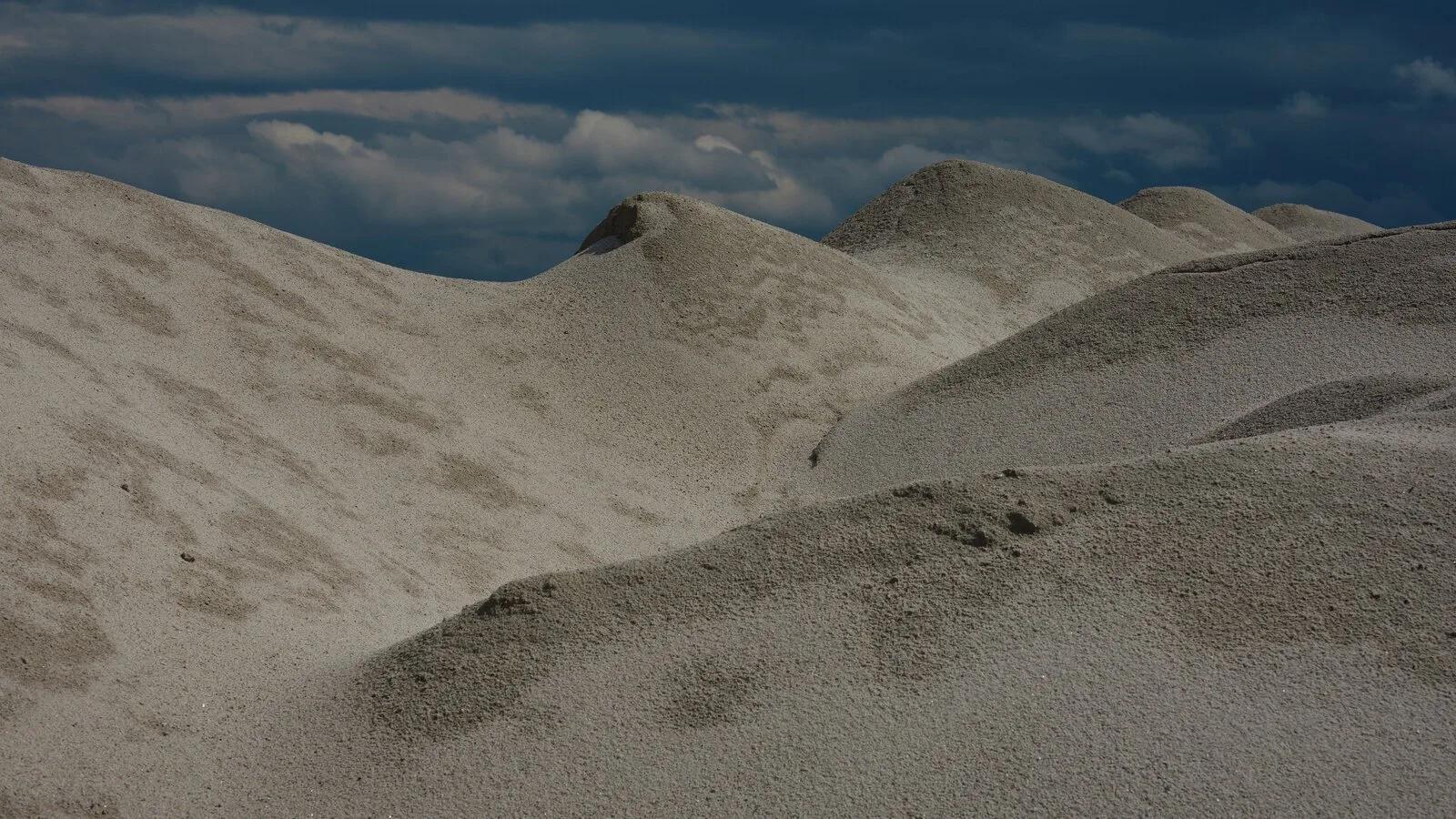
A significant lithium deposit has been discovered in Quebec, with estimates suggesting it could produce up to 329 million metric tons of lithium ore—enough to power approximately 1.6 billion electric vehicles. At current market prices, the deposit’s potential value exceeds $980 billion, highlighting the enormous economic and strategic importance of this resource.
Identifying commercially viable mineral deposits is notoriously challenging. Only about three out of every 1,000 potential sites ultimately become profitable, and proving viability often takes years of core sample drilling. Traditional exploration projects cost mining companies between $50–100 million and have a mere 0.3% success rate.
Fleet Space, a startup leveraging satellite technology, claims to have dramatically streamlined this process. Its innovative method, which combines satellite monitoring with ground sensors and a proprietary software platform, allows potential drilling locations to be identified in just 48 hours. Of the 12 projects tested, Fleet Space successfully identified viable deposits in eight, giving it a 67% success rate—far surpassing traditional methods.
The company employs a constellation of satellites that communicate with ground sensors to map the subsurface using Ambient Noise Tomography (ANT). This technology allows Fleet Space to provide faster, more cost-effective insights into mineral resources while reducing exploration costs to roughly one-tenth of traditional methods.
The Corvette lithium project in Quebec is now the centerpiece of these efforts. Fleet Space suggests that lithium deposits in the region may extend beyond the current boundaries, indicating “district-scale potential” that could further bolster the global supply of lithium, a critical material for electric vehicles and renewable energy storage.
Related stories
 Technology
Tesla Unveils Rocket-Powered Roadster, Production in 2028
 Technology
Aurangzeb Briefs World Bank, Fitch, Canada in Bangkok
 Technology
MOFA Launches Fully Digital Document Attestation System
 Technology
Hassabis Warns AI Could Cause Major Incidents Within 2 Years
 Technology
Anthropic Warns AI Could Self-Replicate Online
· 2 min read Technology