PIA Set for 75% Privatisation in Government’s Push for Revival
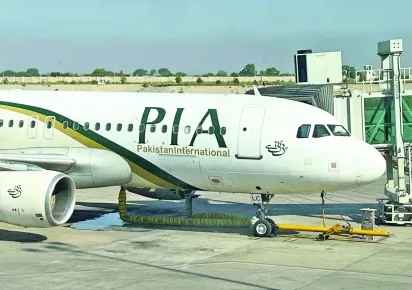
The Pakistani government has announced plans to privatise 75% of Pakistan International Airlines (PIA), aiming to tackle its ongoing financial woes and inefficiencies. Under the proposed deal, four companies have already been pre-qualified to bid, marking a serious push to restore the national carrier’s viability.
Prime Minister Shehbaz Sharif has instructed authorities to carry out the privatisation process swiftly and transparently, emphasising that the sale must not compromise PIA’s identity. Despite offloading most of its shares, the airline is required to retain its name, branding, and national legacy. Alongside the equity transfer, the government is pushing for operational reforms. It plans to increase the number of airworthy aircraft from approximately 18 today to 38 by 2029, while also expanding PIA’s route network from around 30 cities to over 40.
This privatisation drive is part of a broader restructuring strategy: rather than continuing as a burden on the state, PIA is being reshaped as a commercially competitive airline. However, in a calculated move to reduce risk, the government will not provide guarantees to investors. This condition underscores Islamabad’s desire to limit its financial exposure while still attracting robust private-sector participation.
The government’s gamble is that a private operator can bring in capital and discipline to modernise PIA, improve service quality, and turn around its financials. If executed properly, this bold move could mark a turning point for Pakistan’s legacy carrier — transforming it from a loss-making national institution into a lean, market-oriented airline.
Related stories
 Breaking
Pakistan, EU Agree to Boost Counterterrorism Cooperation
 Pakistan
Colourful Dancing Fountain Installed at Lahore’s Azadi Square
 Pakistan
CM Maryam Nawaz: Punjab Taking Concrete Steps Against Poverty
 Middle East
Iran Backs Makkah Defence Pact, Ready to Join Unity Efforts
 Government
PM: Govt Working to Ensure Decent Livelihoods for All
 Pakistan