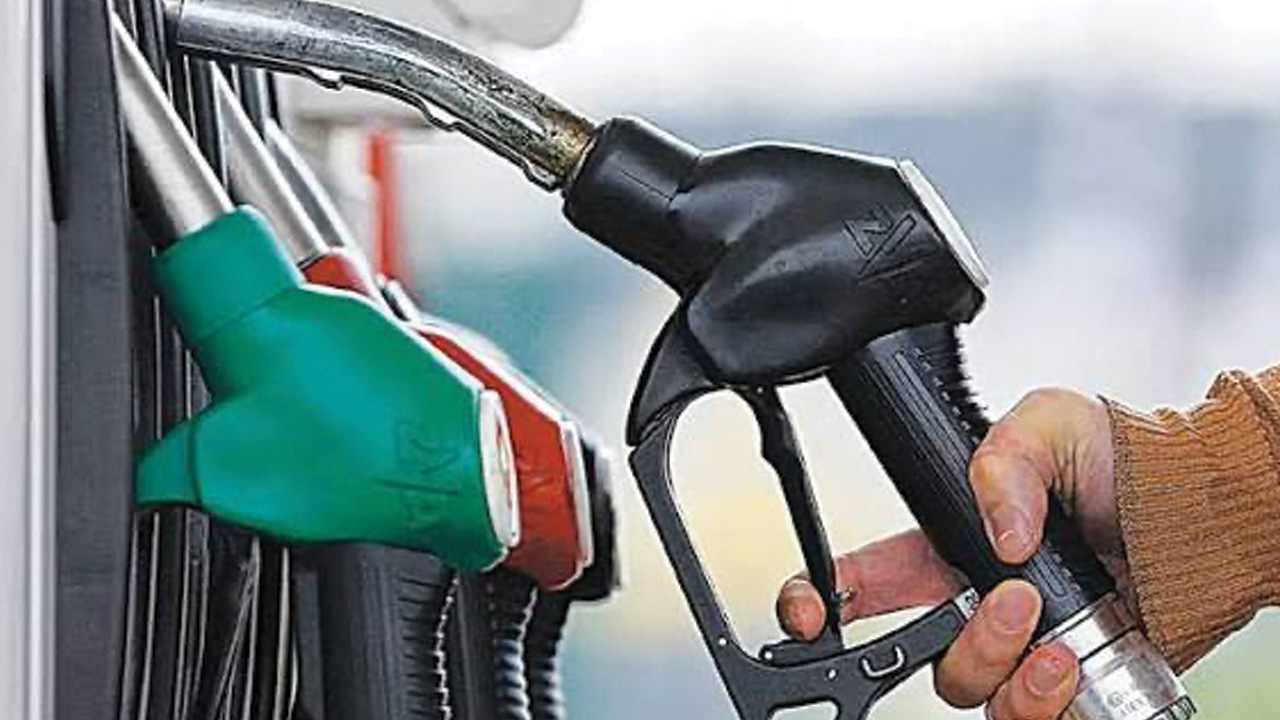
ISLAMABAD — In a major move toward the deregulation of Pakistan’s energy sector, Federal Minister for Petroleum Ali Pervaiz Malik has held high-level consultations with key oil industry stakeholders to transition the country toward a daily petroleum pricing mechanism.
The consultation follows an official announcement by the federal cabinet to reform how retail fuel rates are managed, shifting the responsibility away from direct government intervention amid severe global oil price volatility.
Key Takeaways of the Reform
Shift from Weekly to Daily Adjustments: Moving away from the weekly pricing model introduced earlier this year, the Oil and Gas Regulatory Authority (OGRA) will now calculate and implement retail fuel prices on a daily basis.
Formula Tied to International Benchmarks: The daily prices will be automatically calculated based on a rolling seven-day average of the international Platts benchmark prices. When global prices rise or fall, the domestic market will adapt automatically.
Radical Transparency: To counter public skepticism, OGRA will publish daily breakdowns of the pricing formula on its website. This includes the international benchmark rate alongside every duty, levy (such as the petroleum and climate support levies), and freight margin that contributes to the final price at the pump.
Insulation from Political Expediency: Minister Malik emphasized that transferring price-setting authority to an independent regulator removes political decision-making from routine adjustments, ensuring a rules-based energy regime.
Driven by Global and Regional Volatility
The urgent shift to a daily mechanism comes in response to intense pricing pressures following renewed geopolitical hostilities in the Persian Gulf and Middle East.
According to official data, the global Platts benchmark for diesel recently surged from $110 per barrel to nearly $140 per barrel, while petrol climbed toward $100 per barrel. By adjusting prices daily, the government hopes to avoid sudden macroeconomic price shocks and protect the state from heavy financial risks.
Mixed Reactions from Industry and Traders
While the government views the reform as an essential step toward market modernization, it has met with strong immediate resistance from the business community and retail networks:
Traders and Industrialists: The Federation of Pakistan Chambers of Commerce and Industry (FPCCI) strongly opposed the decision. Business leaders warned that daily fluctuations will make it nearly impossible for manufacturers to accurately forecast production costs, calculate transport overheads, or provide stable pricing quotations to buyers.
Petrol Pump Dealers: The All Pakistan Dealers Association rejected the daily pricing policy, citing immense logistical hurdles. Association representatives noted that managing inventory values and operating 15,000+ stations nationwide under daily shifting price regimes could trigger operational chaos and fuel hoarding.
What’s Next: The Petroleum Division stated that the ongoing consultations with groups like the Oil Companies Advisory Council (OCAC) and the Oil Marketing Association of Pakistan (OMAP) are designed to map out implementation challenges. Simultaneously, a high-level committee has been tasked with drafting a broader post-war energy security architecture within the next two weeks.