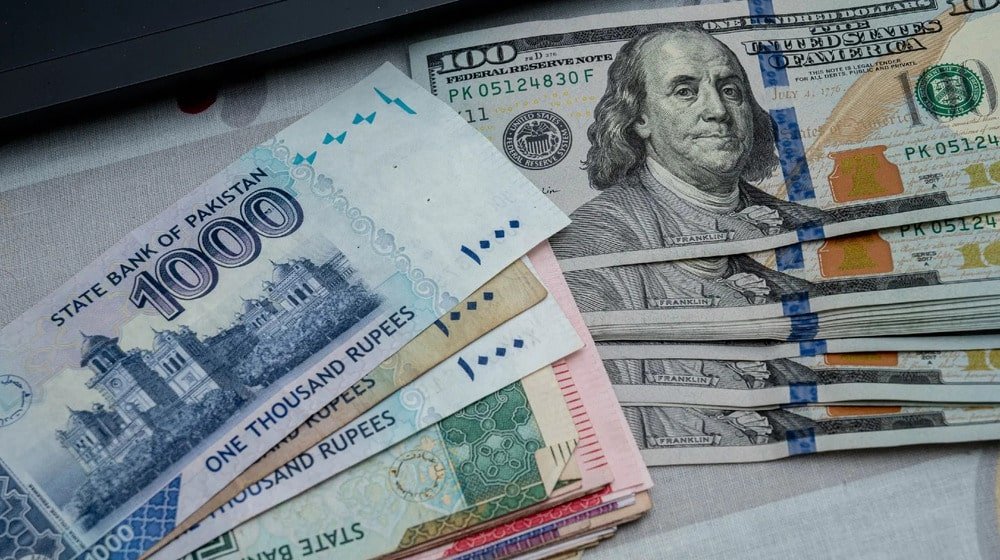
Pakistan’s workers’ remittances surged to $3.6 billion in December 2025, marking a significant 16.5% year‑on‑year increase and highlighting continued support from overseas Pakistanis. This robust growth plays a critical role in bolstering the country’s economy as it navigates external sector challenges.
Monthly and Year‑to‑Date Trends
December’s remittance inflows showed a 13% increase compared to November 2025, reflecting a rising trend in monthly inflows. This boost contributed to a strong first half of fiscal year 2025‑26, with cumulative remittances totaling $19.7 billion, up from $17.8 billion during the same period last year.
Economists attribute the continued momentum to higher manpower exports, government incentives to encourage formal remittance channels, and a narrowing gap between formal and informal foreign exchange markets. These factors have encouraged overseas Pakistanis to send more funds through regulated financial systems.
Key Remittance Sources
A breakdown of country-specific remittance data highlights the importance of Gulf and Western markets:
- Saudi Arabia remained the top source with $813 million in December.
- The United Arab Emirates (UAE) followed closely with $726 million.
- Significant contributions also came from the United Kingdom ($560 million), the European Union ($499 million), and the United States ($302 million).
These figures reflect the broad geographic dispersion of Pakistani expatriate communities and their continued commitment to supporting families and the economy back home.
Economic Significance
Remittances serve as one of Pakistan’s most stable sources of foreign exchange, helping to support the balance of payments, strengthen foreign reserves, and increase household disposable income for millions of families reliant on overseas earnings.
The upward trend in remittances is also a positive signal for the economy, especially in the context of external financing challenges and efforts to build macroeconomic resilience.
Outlook for FY26
Market projections suggest that remittances could remain strong throughout fiscal year 2025‑26, with an annual target of $41 billion. Continued manpower exports, supportive policies, and incentives for formal channels are expected to sustain inflows over the coming months.
As Pakistan seeks to stabilize its external accounts and fuel broader economic growth, remittances will continue to play a pivotal role in underpinning financial stability and household welfare.