Pakistan Unveils Plan to Power Bitcoin Mining and AI with 2,000MW Energy Allocation
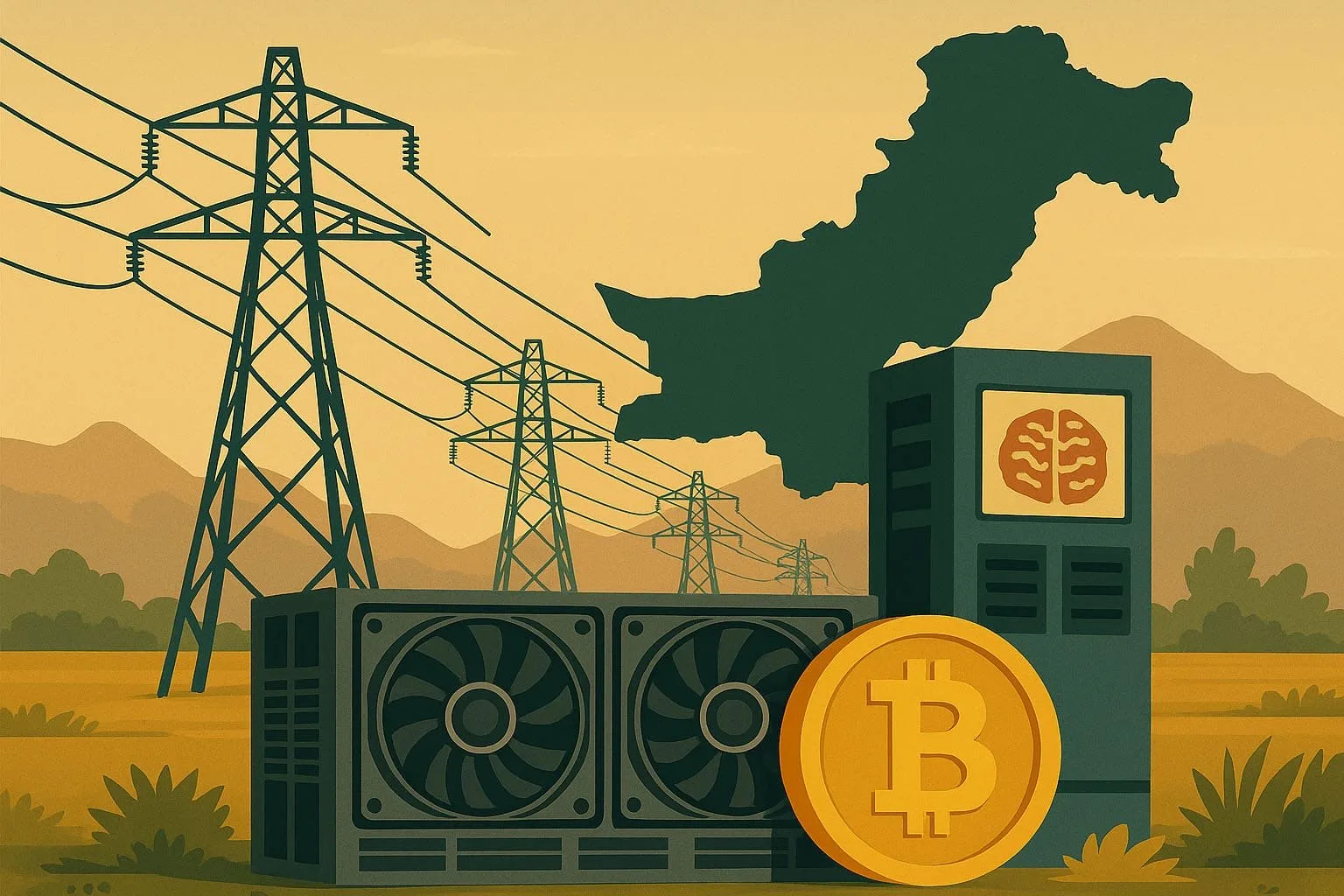
In a groundbreaking step toward digital innovation, the Government of Pakistan has allocated 2,000 megawatts (MW) of electricity in the first phase of a national initiative to support Bitcoin mining and AI-powered data centres.
This move comes after the government’s decision to legalize cryptocurrency, aiming to attract global investment and integrate blockchain into the economy. The Pakistan Crypto Council (PCC), launched in March, is spearheading this initiative under the Ministry of Finance. Entrepreneur Bilal Bin Saqib has been appointed as Chief Adviser to the Finance Minister on the council.
According to the Finance Division, the plan aims to utilize surplus electricity to create high-tech jobs, bring in billions in foreign investment, and boost government revenue. Finance Minister Muhammad Aurangzeb described the strategy as a turning point in Pakistan’s digital journey — converting excess energy into economic opportunity.
The country’s geographic and economic position makes it ideal for global data centres, acting as a digital bridge between Asia, Europe, and the Middle East. Since the PCC's inception, global interest has surged, with major Bitcoin miners and infrastructure firms exploring opportunities in Pakistan.
AI and crypto mining are power-intensive industries, making them ideal for absorbing underutilized electricity from power plants running below capacity. This approach turns a long-term burden into a profitable asset.
PCC CEO Bilal Bin Saqib emphasized the potential to turn Pakistan into a crypto and AI hub with the right regulation, transparency, and global cooperation. He added that the initiative can earn foreign exchange in U.S. dollars through Bitcoin mining, and possibly store Bitcoin in a national wallet — transitioning from selling energy in local currency to building digital reserves.
With lower energy costs and more available land than regional rivals like India and Singapore, Pakistan stands out. Globally, AI data centre demand has surged past 100 gigawatts, while supply lags at only 15GW, offering Pakistan a rare opportunity.
Pakistan’s digital infrastructure has also been strengthened with the arrival of the Africa-2 Cable Project — the world’s largest undersea internet cable. This will improve internet speed, stability, and resilience, essential for data-heavy AI operations.
With over 40 million crypto users, Pakistan is well-positioned to lead in the digital space. Establishing local AI data centres will improve cybersecurity, data sovereignty, and cloud services, while generating thousands of jobs in tech and engineering.
This marks just the beginning. Future phases will focus on renewable energy-driven centres powered by wind, solar, and hydropower, especially in high-potential zones like Gharo-Keti Bandar. Pakistan also plans to form global partnerships, launch fintech zones, and introduce incentives such as tax breaks and duty-free imports for AI equipment.
With a combination of surplus power, strong internet infrastructure, renewable resources, and a young digital-savvy population, Pakistan is positioning itself as a regional leader in Web3, AI, and digital services. The goal: to build a sovereign digital economy capable of storing digital assets, exporting services, and leading the next wave of global innovation.
Related stories
 Breaking
Bitcoin Falls Below $84,000 as Oil Jumps Above $101 on Middle East Tensions
Bitcoin Surges Past $66K As Bullish Momentum Builds
· 2 min read Business
Crypto Market Plunges Amid US–China Trade Tensions
 Cryptocurrency
Crypto Market Faces Historic Liquidation
Pakistan Explores Bitcoin Mining and AI to Tackle Excess Energy Challenge
 Technology