Bilateral Operations and Cross-Border Commerce
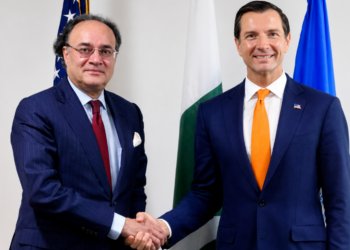
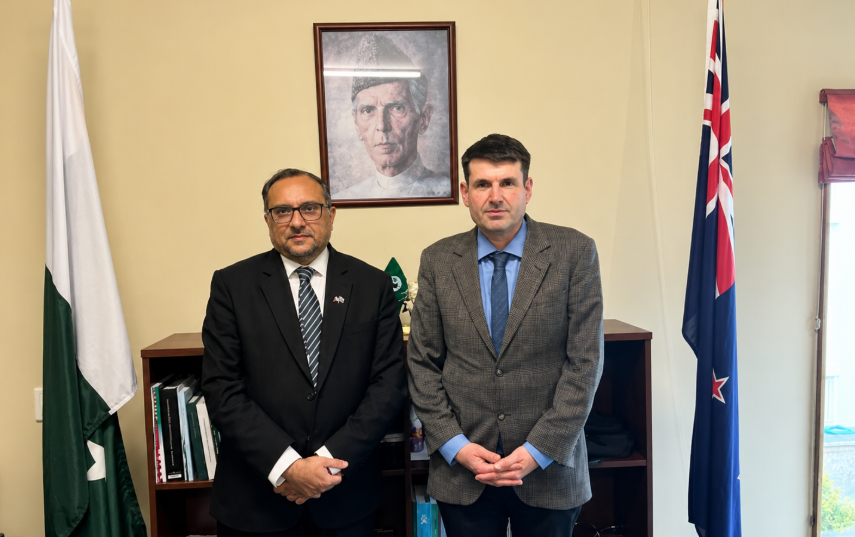
In a decisive move to significantly optimize international operational parameters, high-level administrative representatives from Pakistan and New Zealand executed a critical strategic alignment.
The formal negotiations were strictly conducted on the immediate periphery of a massive regional coordination summit currently operating in Manila.
Central executives from both territories formally authorized an uncompromising mutual directive to heavily accelerate cross-border structural integration, actively prioritizing deep expansions in bilateral commerce and heavy capital investment.
Beyond strict economic parameters, the formalized strategy aggressively mandates the rapid establishment of advanced athletic exchange frameworks and highly optimized mutual demographic integration protocols.
To strictly ensure the successful physical execution of these massive bilateral targets, executive leadership aggressively emphasized the absolute necessity of permanently reinforcing deeply entrenched institutional linkages.
This calculated operational maneuver demands the immediate implementation of continuous, unyielding high-level engagement to relentlessly monitor and optimize the expanding cross-border network.
Regional Stability and Crisis Mitigation
Beyond the strict optimization of bilateral economic and structural metrics, the high-stakes negotiations heavily featured deeply analytical reviews of highly volatile international developments.
The central executive representing New Zealand formally acknowledged and heavily validated Pakistan’s highly calculated operational interventions during recent, severe structural friction between major global actors.
The New Zealand representatives specifically highlighted Pakistan’s aggressive, deeply strategic efforts to forcefully promote immediate dialogue and engineer a rapid de-escalation of overarching regional volatility.
This formal validation definitively solidifies the territory’s operational status as a critical stabilizing force within deeply complex, high-risk international corridors.
Moving into incoming operational cycles, both entities have formally agreed to maintain absolute, continuous structural contact.
This unyielding communication matrix actively guarantees heavily synchronized, rapid-response capabilities to aggressively neutralize emerging external shocks and permanently secure mutual operational objectives across the broader international landscape.