Pakistan Nears IMF Deal for $1.24bn Tranche
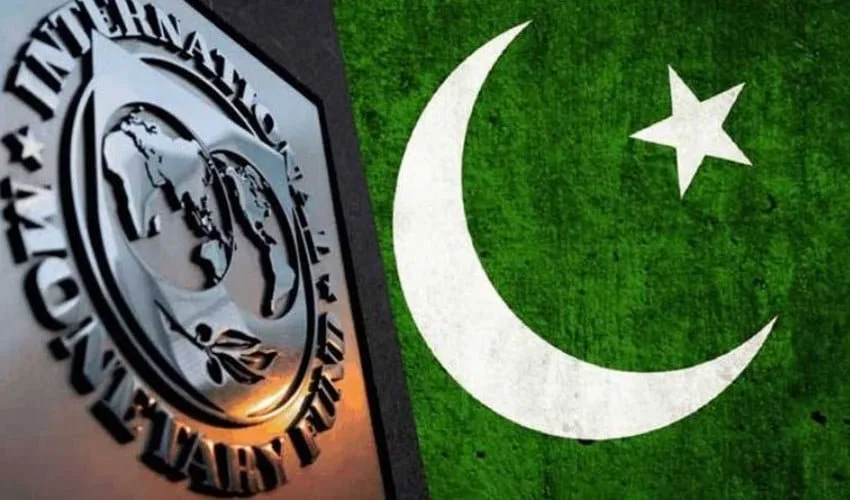
Pakistan is on the verge of signing a preliminary deal with the International Monetary Fund (IMF) this week, according to Finance Minister Muhammad Aurangzeb, marking a crucial step toward unlocking the next $1.24 billion tranche under the IMF’s lending programme.
The agreement, known as the Staff-Level Agreement (SLA), comes after an IMF mission visited Pakistan for extensive talks but left without finalising the deal last week. The pending review covers the $7 billion Extended Fund Facility (EFF) and the $1.4 billion Resilience and Sustainability Facility (RSF), both agreed in 2024 to stabilise Pakistan’s fragile economy.
Constructive Dialogue with IMF
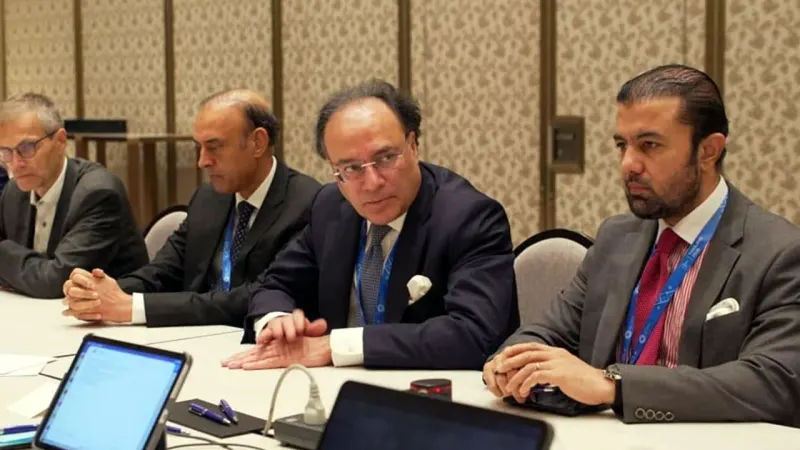
Speaking to Reuters on the sidelines of the IMF-World Bank Annual Meetings, Aurangzeb said discussions with the IMF team had been “very constructive.”
“We had detailed talks on the quantitative and structural benchmarks, and follow-up discussions have continued. During the course of this week, we’re hoping to get the SLA done,” he stated.
Countries under IMF programmes must successfully complete these periodic reviews to receive the next disbursement, pending approval by the IMF Executive Board.
The IMF programme has been instrumental in stabilising Pakistan’s $370 billion economy, which faced a severe financial crisis in 2023–2024 marked by record inflation, a depreciating rupee, and a widening fiscal deficit.
Plans for Panda Bond and International Market Return
Aurangzeb also revealed that Pakistan plans to launch its first-ever Green Panda Bond, denominated in Chinese yuan, before the end of the year. The issuance aims to attract environmentally conscious investors from China and beyond.
Furthermore, the government plans to return to international debt markets next year with a bond issuance worth at least $1 billion, though the final structure—whether Eurobond, Dollar bond, Sukuk, or Islamic Sukuk—remains under consideration.
“We’re keeping our options open,” Aurangzeb said.
Privatization Push to Accelerate
In line with IMF-backed reforms, Pakistan is reviving its long-delayed privatization programme. The Finance Minister confirmed that the government expects progress in the sale of state-owned enterprises (SOEs) during the fiscal year ending June 2026, after limited progress last year.
“This is something very important as part of our economic roadmap,” Aurangzeb noted.
The most prominent project under this initiative is the privatization of Pakistan International Airlines (PIA), alongside three power distribution companies (DISCOs). The sale of PIA would mark Pakistan’s first major privatization in nearly two decades.
PIA Privatization Gains Momentum
Following the reopening of lucrative routes to Europe and the UK, investor interest in PIA has surged. According to Aurangzeb, the airline has become an “attractive proposition for investors.”
The government has already received interest from five domestic business groups, including:
- Airblue
- Lucky Cement (LUKC.PSX)
- Arif Habib Group (AHL.PSX)
- Fauji Fertilizer (FAUF.PSX)
- and another unnamed local consortium.
Final bids for PIA’s privatization are expected later this year, signaling renewed momentum in the government’s reform and fiscal stabilization efforts.
Economic Outlook
If successful, the IMF deal and privatization push could help restore investor confidence, stabilize the rupee, and ease fiscal pressure. The next IMF tranche, worth $1.24 billion, would provide much-needed support to Pakistan’s external reserves and bolster its economic recovery trajectory.
Related stories
 Economy
Aurangzeb, Fitch Discuss Pakistan’s Credit Outlook
 Economy
DPM Orders Strict Monitoring of Supply Chains and Prices
 Business
Aurangzeb Reaffirms Commitment to Completing IMF Programme
 Economy
IMF Raises Asia Growth Forecast, Flags Risks Ahead
 Economy
PM Directs Banks to Improve Housing, SME, Farm Lending
 Business