Pakistan Business Council Urges Against Tax Cuts for Real Estate, Citing Concerns Over Black Money
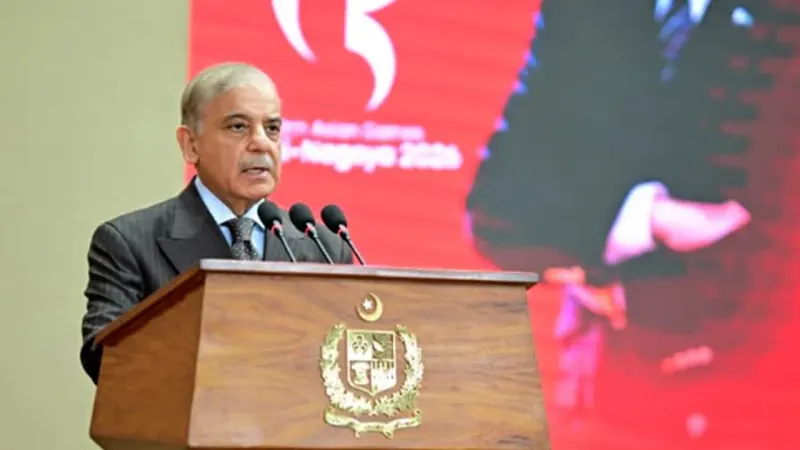
As the Pakistani government works on proposals to reduce taxes on the real estate sector, the Pakistan Business Council (PBC) has raised strong objections, urging Prime Minister Shehbaz Sharif not to support measures that could facilitate a sector linked to significant amounts of black money. In a detailed letter to the Prime Minister, the PBC expressed concerns that easing taxes for the real estate sector would only exacerbate existing challenges in the country’s efforts to tackle corruption and informality in business.
PBC's Opposition to Tax Cuts for Real Estate
While acknowledging the government's efforts to stabilize the economy, the PBC made it clear that it does not support lowering taxes for the real estate sector, a market where significant amounts of black money are often transacted. The letter, which followed a meeting with Federal Board of Revenue (FBR) Chairman Rashid Langrial, outlined the PBC’s stance on the matter. Langrial reportedly hinted at proposals to reduce taxes on the real estate sector in order to stimulate growth, particularly to address high transaction costs associated with the trading of undeveloped land or plots. However, the PBC warned that such a move would undermine efforts to formalize the economy.
The PBC emphasized that reducing taxes for the real estate sector would send the wrong message by facilitating the black money economy rather than promoting transparency. Instead, the PBC advocated for measures that unearth black money locked in real estate transactions and for policies that create a level playing field between the formal and informal sectors.
Concerns Over Specific Proposals
The PBC’s concerns are rooted in several proposed changes, including reductions in withholding taxes for sellers and buyers of plots, the abolition of a 3% federal excise duty (FED) on plots and residential homes, and the exemption of properties valued under Rs10 million from disclosing the source of their funds. The latter proposal could impact around 94% of property transactions in Pakistan, according to the PBC’s estimates.
Moreover, the PBC pointed out that the FBR is already illegally charging 3% FED on residential homes sold more than once, despite the law specifying that this tax should only apply to the first sale by a builder or developer. The council argued that such tax cuts would further encourage informal transactions and exacerbate the nation’s fiscal challenges.
Advocacy for Formalization and Economic Stability
In its letter, the PBC warned that the current focus on stimulating growth in specific sectors, such as real estate, could prematurely trigger economic growth without addressing underlying issues in taxation and informal sectors. The council highlighted the importance of fundamental reforms before tax incentives could effectively contribute to long-term economic stability.
Furthermore, the PBC emphasized that the country should avoid the boom-bust cycle caused by import-driven growth, which has historically resulted in imbalances in Pakistan’s external account. This imbalance often leads the country to seek assistance from the International Monetary Fund (IMF), which the council suggested should be avoided by implementing sound policies that promote genuine growth and discourage dependence on external funding.
Concerns Over Gas Prices and Export Growth
The PBC also expressed concern about the recent increase in gas prices for captive power plants, which is expected to affect industries that rely on in-house power generation. The council argued that the 17% increase in gas prices for these plants would hinder efforts to meet the Prime Minister's goal of boosting exports to $60 billion over the next three years. The council pointed out that uncompetitive energy costs, high taxes, and cash flow burdens from withholding taxes could prevent Pakistani businesses from achieving their export targets.
The PBC also called for the renegotiation of the China-Pakistan Free Trade Agreement (CPFTA), which it claimed was heavily tilted in China’s favor. The manufacturers’ body warned that the current framework would make it difficult for local businesses to compete on equal footing with imports.
PBC's Call for Tax Reforms
In its recommendations, the PBC called for reforms that would increase the tax-to-GDP ratio by promoting business growth, investment in exports, and encouraging the formalization and corporatization of companies. Specifically, the PBC suggested that the government focus on expanding the tax base to include sectors that remain under-taxed or untaxed, rather than continuing to rely on already taxed industries, which would stifle growth.
The PBC also demanded an end to the dividend income tax, which it viewed as a form of double taxation. The council maintained that such taxes negatively impact business investment and hinder overall economic expansion.
Conclusion: A Call for Balanced Tax Policies
The PBC’s letter concluded by urging the government to adopt policies that foster long-term economic stability rather than short-term growth through tax cuts for informal sectors such as real estate. The business community emphasized that the country’s tax policies should prioritize export growth, business formalization, and incentives for sectors that have a competitive edge on the global stage.
In this context, the PBC underscored the importance of addressing the structural flaws in Pakistan’s economy before introducing measures that could undermine efforts to foster sustainable growth. The real estate sector, despite its size, was viewed as a potential source of risk to the broader economic stability if facilitated through tax reductions that disproportionately benefit informal practices. As the government continues to evaluate its policies, the PBC's concerns serve as a reminder to prioritize comprehensive reforms that can create a more stable and equitable economic environment in Pakistan.
Related stories
 Business
WB Vows Support for Digital Skills Among Pakistani Youth
 Business
Four NHA Projects Planned Under Public-Private Partnership
 Middle East
Iran Backs Makkah Defence Pact, Ready to Join Unity Efforts
 Business
Aurangzeb Reaffirms Stability, Meets Banks and UNDP Chief
 Government
PM: Govt Working to Ensure Decent Livelihoods for All
 Oil & Gas