Pakistan and Afghanistan Begin Second Round of Talks in Istanbul to Cement Peace and Security
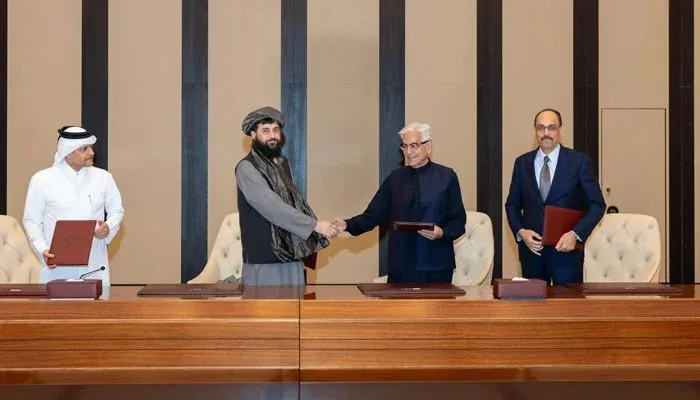
Diplomatic efforts between Pakistan and Afghanistan reached a new stage on Saturday as both sides convened in Istanbul for the second round of negotiations. The meeting follows a cease-fire agreement reached in Doha earlier this month and aims to transform the temporary truce into a lasting, operational framework.
Pakistan has emphasized that this round will focus on establishing a “concrete and verifiable monitoring mechanism” to curb militant attacks emanating from Afghan territory. Islamabad expects clear benchmarks and timelines for dismantling militant sanctuaries, strengthening border controls, and ensuring real-time intelligence-sharing.
The Afghan delegation, according to officials, is led by a senior interior ministry figure. From Pakistan’s side, foreign office representatives underscored the country’s continued commitment to dialogue and stressed that the terms agreed in Doha must now be implemented. Trade flow remains suspended at key border crossings until the security situation improves and mechanisms are formalized.
Turkey’s role as host is seen as vital: Ankara brings experience in counter-insurgency and border-management initiatives, making it a trusted partner in designing oversight structures. The Istanbul talks, therefore, carry high expectations of institutionalizing this peace process rather than leaving it open-ended.
If successful, the outcome may lead to reopening transit trade, reducing border tensions, and paving the way for regional stability. For now, both nations are under the spotlight: Pakistan eager for action, Afghanistan under pressure to deliver, and the region watching closely.
Related stories
 Pakistan
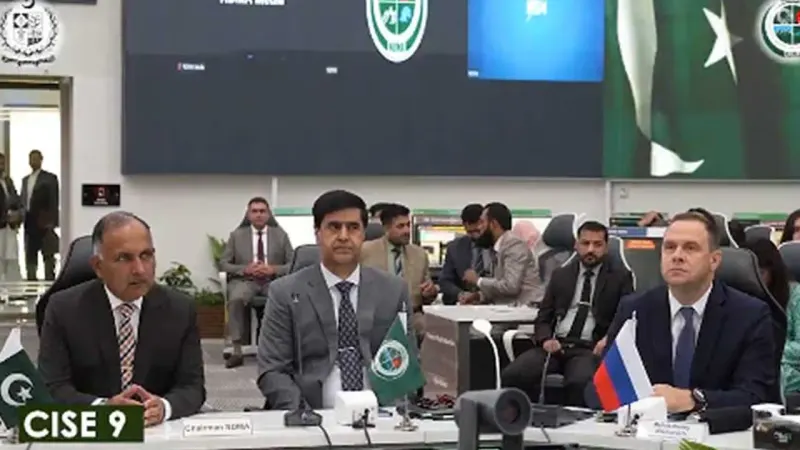
Pakistan, Russia Discuss Disaster Management Cooperation
 Breaking
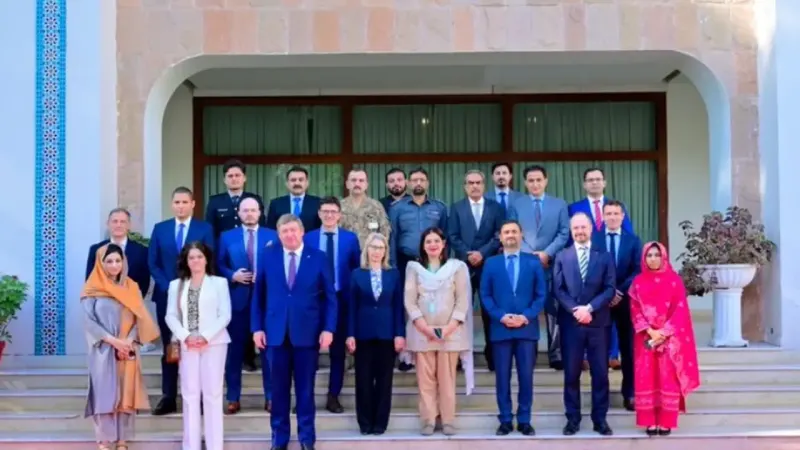
Pakistan, EU Agree to Boost Counterterrorism Cooperation
 Pakistan
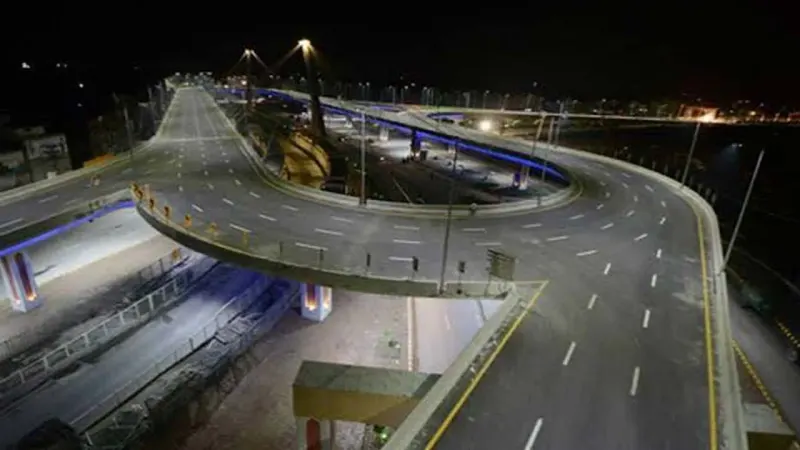
Colourful Dancing Fountain Installed at Lahore’s Azadi Square
 Pakistan
CM Maryam Nawaz: Punjab Taking Concrete Steps Against Poverty
 Pakistan
No Room for War in Nuclear Environment: Gen Aamer Raza
 Pakistan