Pakistan-Afghanistan Border to Reopen After Ceasefire

Pakistan and Afghanistan are expected to reopen the Torkham and Chaman borders within the next 24 to 48 hours following a ceasefire agreement between the two countries. The decision comes after more than a week of border closures and deadly clashes that erupted on October 12, when the Afghan Taliban and affiliated militants attacked multiple Pakistani border posts.
Detailed News:
ISLAMABAD (Geo News) — The Pakistan-Afghanistan border is set to reopen within 24 to 48 hours after both countries reached a ceasefire agreement during Qatar-mediated talks on Sunday, sources confirmed.
The border crossings at Torkham and Chaman were closed by Pakistan on October 12, following coordinated attacks by Afghan Taliban fighters and affiliated militants on Pakistan Army posts along the border. The Inter-Services Public Relations (ISPR) reported that more than 200 militants were killed, while 23 Pakistani soldiers embraced martyrdom during the clashes.
In retaliation, Pakistan carried out precision strikes inside Afghanistan, targeting terrorist hideouts in Kandahar and Kabul. The two countries later agreed to a 48-hour ceasefire, which was extended and followed by diplomatic negotiations in Doha.
Defence Minister Khawaja Muhammad Asif confirmed that the ceasefire’s “primary objective is the elimination of terrorism,” emphasizing that peace and cooperation are essential to stabilizing the region. He further stated that Pakistan and Afghanistan will continue discussions in Istanbul on October 25 to finalize border and counterterrorism frameworks.
Taliban spokesperson Zabihullah Mujahid also confirmed the ceasefire, calling it “complete and meaningful.”
Local residents on both sides of the border have expressed relief, hoping the ceasefire will bring an end to hostilities and restore cross-border trade. “People can finally breathe again,” said Sadiq Shah, a shopkeeper from Baizai. “Before that, gunfire damaged our homes — it’s heartbreaking when two brotherly nations fight.”
According to officials in Peshawar, over 1,500 trucks loaded with goods, including cement, rice, and medicines, remain stranded at the border, awaiting clearance. Afghan officials warned that prolonged closure could worsen market instability and increase unemployment.
The resumption of border activity is expected to revive trade and transit routes, with Afghanistan gaining access once again to Pakistani ports.
Related stories
 International
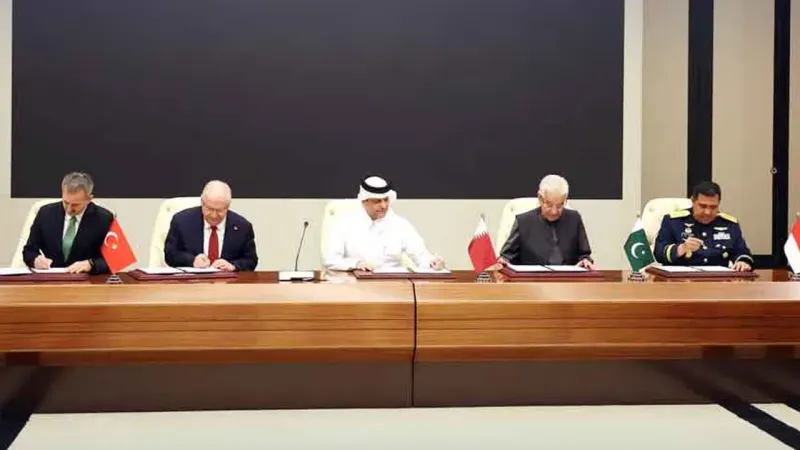
Pakistan, Türkiye, Qatar, Indonesia Sign Badr Defence MoU
 International Politics
Trump Waives New Russia Sanctions; Moscow Hails Move
 Pakistan
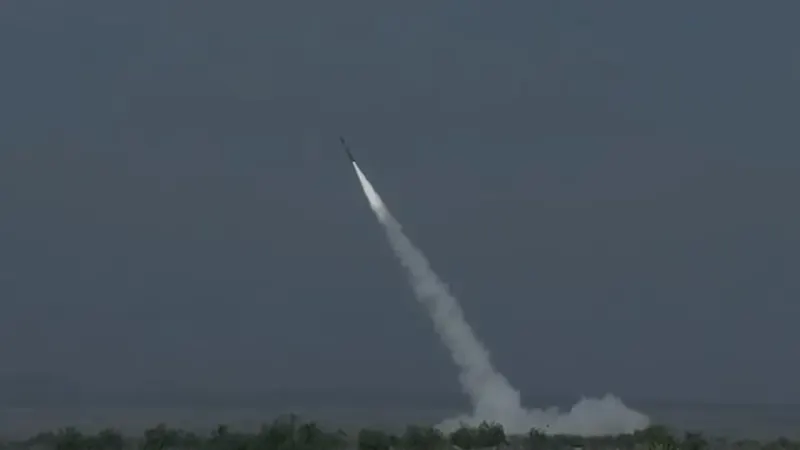
Pakistan Army Successfully Test-Fires Extended-Range Fatah-2 Hypersonic Ballistic Missile
 International Politics
European Parliament Investigates French MEP Rima Hassan Over Alleged Israeli Flag Incident
 Sports
Usman Wazeer Wins 19th World-Ranking Fight, Qualifies for WBA Gold Title
 International Politics