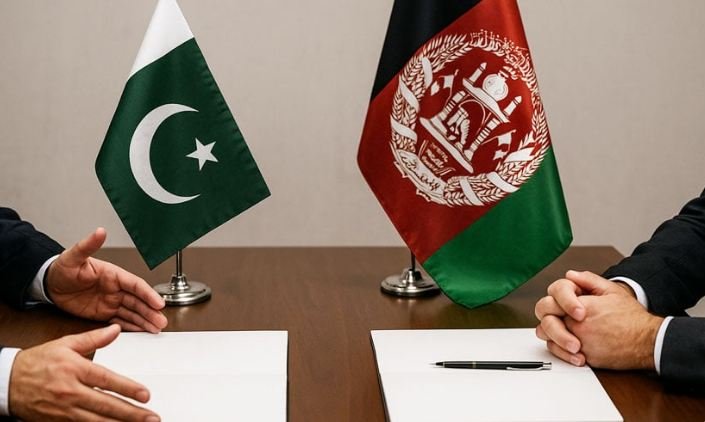
Pakistan and the Afghan Taliban have agreed to continue the ceasefire after a week-long round of peace talks in Istanbul, the Turkish Foreign Ministry confirmed. Mediated by Turkiye and Qatar, the negotiations aimed to reinforce the ceasefire initially agreed in Doha earlier this month.
ISLAMABAD: Pakistan and the Afghan Taliban have agreed to extend the ceasefire following six days of peace negotiations held in Istanbul under the mediation of Turkiye and Qatar, both countries announced in a joint statement on Thursday night.
According to the declaration, both sides have also agreed to form a joint monitoring and verification system to ensure strict adherence to the ceasefire terms. This system will monitor compliance from both sides and impose fines for any violations, marking a significant step toward institutionalizing peace efforts.
The agreement builds upon the initial Doha understanding reached on October 18–19 and aims to prevent cross-border hostilities. The next round of high-level meetings will take place on November 6 in Istanbul to finalize enforcement rules and operational mechanisms.
Turkiye and Qatar, serving as co-mediators, praised both Pakistan and the Taliban delegations for their “positive and responsible approach” and reiterated their commitment to supporting lasting peace in the region. In a separate statement, Qatar’s Foreign Ministry expressed hope that the upcoming round would “solidify a sustainable peace framework.”
Pakistani Information Minister Atta Tarar welcomed the joint declaration, calling it a “diplomatic success” that reinforces Pakistan’s stance on regional security. “The agreement places responsibility on the Taliban to ensure that Afghan soil is not used against Pakistan,” he told Samaa TV, adding that both Turkiye and Qatar deserve appreciation for facilitating the talks.
The negotiations come amid renewed cross-border tensions and follow Islamabad’s demand for guarantees from the Taliban regime to curb terrorist activities originating from Afghan territory. The joint statement reflects growing international engagement in mediating stability across the Pakistan-Afghanistan border.