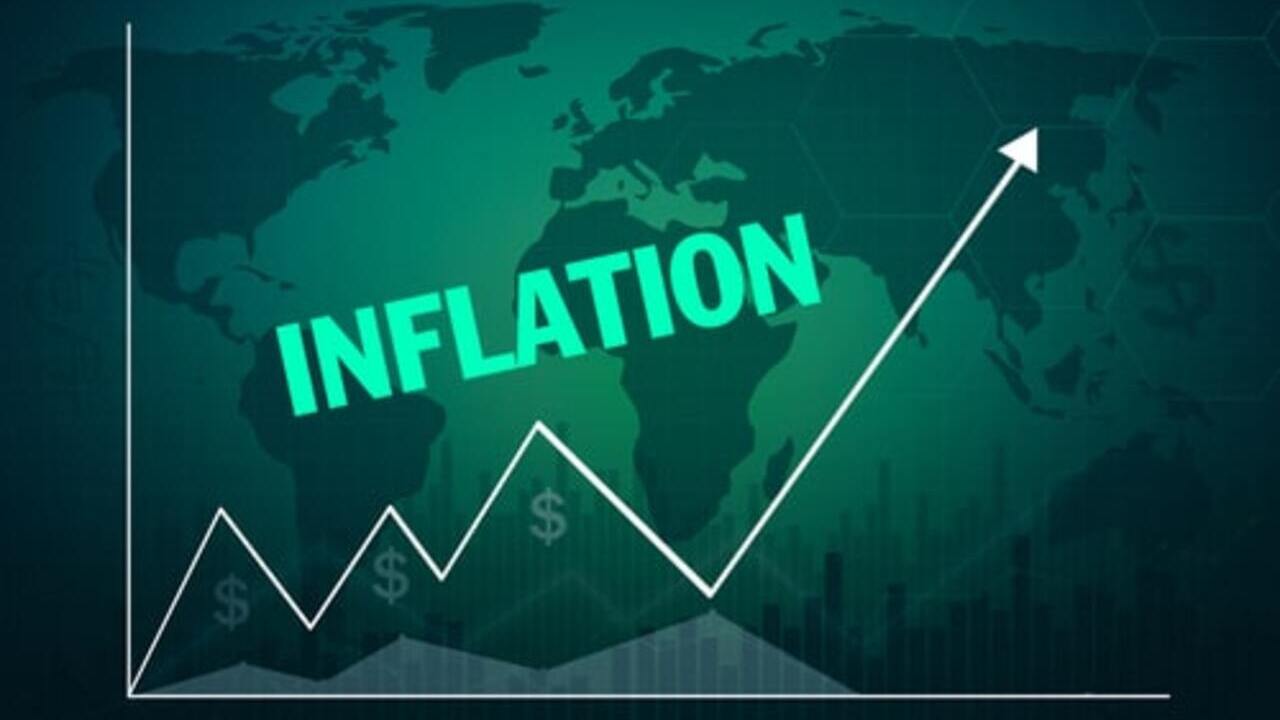
An upward swing in consumer prices continued in November as inflation edged up to 11.5% from 9.2%, the highest increase noted in the past 20 months influenced by a record hike in fuel prices last month, the Pakistan Bureau of Statistics (PBS) data showed on November 30.
The massive Pakistani rupee depreciation fuelled import-led inflation. Inflation measured by the Consumer Price Index (CPI) increased to its highest level in 20 months — the period when global oil prices kept rising steadily undermining earlier gains. At the same time, prices of fresh vegetables, fruits and meat have also posted a persistent increase in major urban and rural centres. The average inflation during the July-November period rose to 9.32% on a yearly basis. Inflation had started declining after surging to 12.4% in February 2020, mainly driven by a drop in prices of agricultural products. The trend is reversing now on the back of a rise in prices of petroleum products. In 2020-21, annual CPI inflation was recorded at 8.90% against 10.74% the previous year.
The monthly outlook report of finance ministry shows:
Pakistan’s inflation rate is driven by demand factors, international commodity prices, exchange rate, seasonal factors and economic agents’ expectations concerning the future developments of these indicators. Year-on-year (YoY) inflation is marginally increased in the last two months. Going forward, this increase in inflation may be tempered by the seasonal profile whose contribution was positive in October but is usually about neutral in November. Besides government policy, administrative and relief measures may support to ease out the inflationary pressures. However, the prices of crude oil along with all other energy inputs are on the rise due to increasing global demand in post-Covid scenarios. Also, a rise in freight charges have made international trade costlier and caused a hike in global inflation. The international price of crude oil rose by 106.7% on a YoY basis.
Currently, the government aims are:
To increase agriculture productivity for food security and self-sufficiency to counter food inflation by offering Agri-loans. While the finance division in its recent report claimed that taking into account new price impulses in November and the low base effect, inflation would remain between 8.5% and 9.5%, but the November inflation has already surpassed the projected figure. Food inflation is still at a higher level as in urban areas it jumped by 11.9% in November on a yearly basis and 3.9% on a monthly basis, whereas the respective growth in prices in rural areas was 8.6% and 3.3%.
According to a finance division report:
Food prices have risen globally due to shortage of supply of commodities and high demand. Pakistan has also been affected, as the country is a net importer of food items especially wheat, sugar, pulses, and edible oil. The government has already announced PKR 120 billion package, jointly funded by the federal and provincial governments, to provide a 30% discount on ghee, flour and pulses to 130 million less privileged people.
The PBS data showed:
In urban areas, food items, which saw an increase in their prices in November as compared to the previous month, included tomatoes 131.64%, mustard oil 11.6%, vegetable ghee 10.87%, vegetables 10.47%, eggs 10.19%, cooking oil 9.71%, potatoes 8.85%, honey 5.61%, fruits 4.37%, pulse masoor 3.14%, meat 2.63%, milk 2.33%, fish 1.90%, gram whole 1.77%, rice 1.73% and sugar 1.43%. In urban areas, the prices of onions declined by 7.97pc, chicken by 4.34%, and pulse moong 0.69%. Overall, a similar trend in food prices was noted in rural areas. Non-food inflation in urban centres increased by 12% on a YoY and 2% on a month-on-month basis, whereas in rural areas it rose by 13% and 3%, respectively. The increase in non-food inflation was mainly driven by a hefty rise in oil prices in November. Core inflation in urban areas was 7.6% in November as against 6.7% the previous month. In rural areas, the corresponding increase was 8.2% as against 6.7%.
The State Bank determines the key policy rate — currently at 8.75% — based on the core inflation rate. Average inflation measured by the Sensitive Price Index edged up to 18.1% in November from 15.2pc a month earlier, while the Wholesale Price Index surged to 27% during the month under review from 21.2%.