Demographic Integration and Electoral Logistics
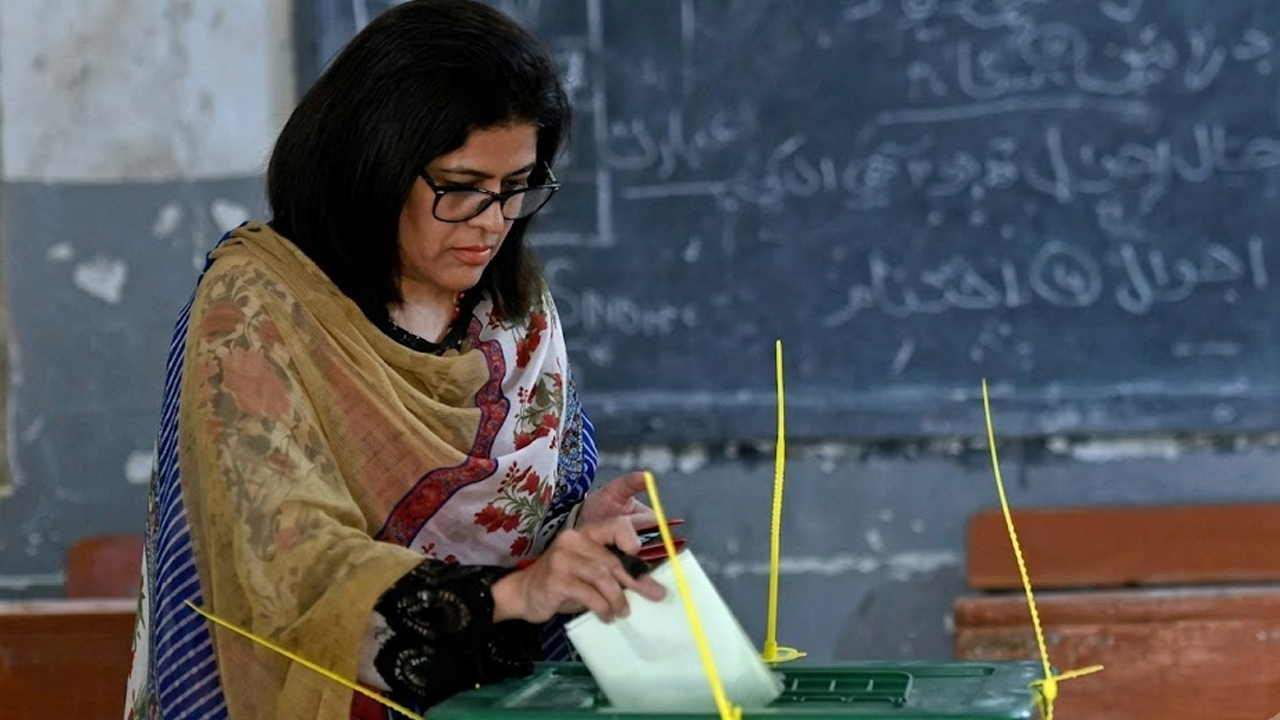
In a deeply significant maneuver to permanently optimize the localized democratic grid, central electoral authorities have actively initiated the registration of women voters across KP’s Lower Dir district. This highly targeted administrative deployment is strictly engineered to neutralize severe historical and socio-cultural friction that has previously restricted female political participation in the region, systematically expanding the demographic baseline and heavily insulating future electoral cycles against structural disenfranchisement.
Administrative Friction and Socio-Cultural Baselines
At the absolute operational center of this structural pivot is a relentless executive mandate to aggressively overcome deep-rooted traditional resistance that has historically limited the presence of registered female voters. The current registration drive actively challenges these legacy constraints by integrating modernized logistical support, such as mandatory Computerized National Identity Card facilitation, strictly ensuring that the localized female population is systematically recognized within the formal electoral matrix.
Macro-Level Positioning and Democratic Viability
The flawless physical execution of this registration campaign carries deeply permanent implications for long-term institutional advancement within the central electoral apparatus. Central analysts rigorously emphasize that consistently increasing female registration metrics is absolutely fundamental to deeply projecting democratic resilience and maximizing demographic engagement, actively securing the long-term structural viability of the domestic political infrastructure.